Abolishing patient watchdog leaves NHS 'marking own homework', councils warn
Explain Like I'm 5
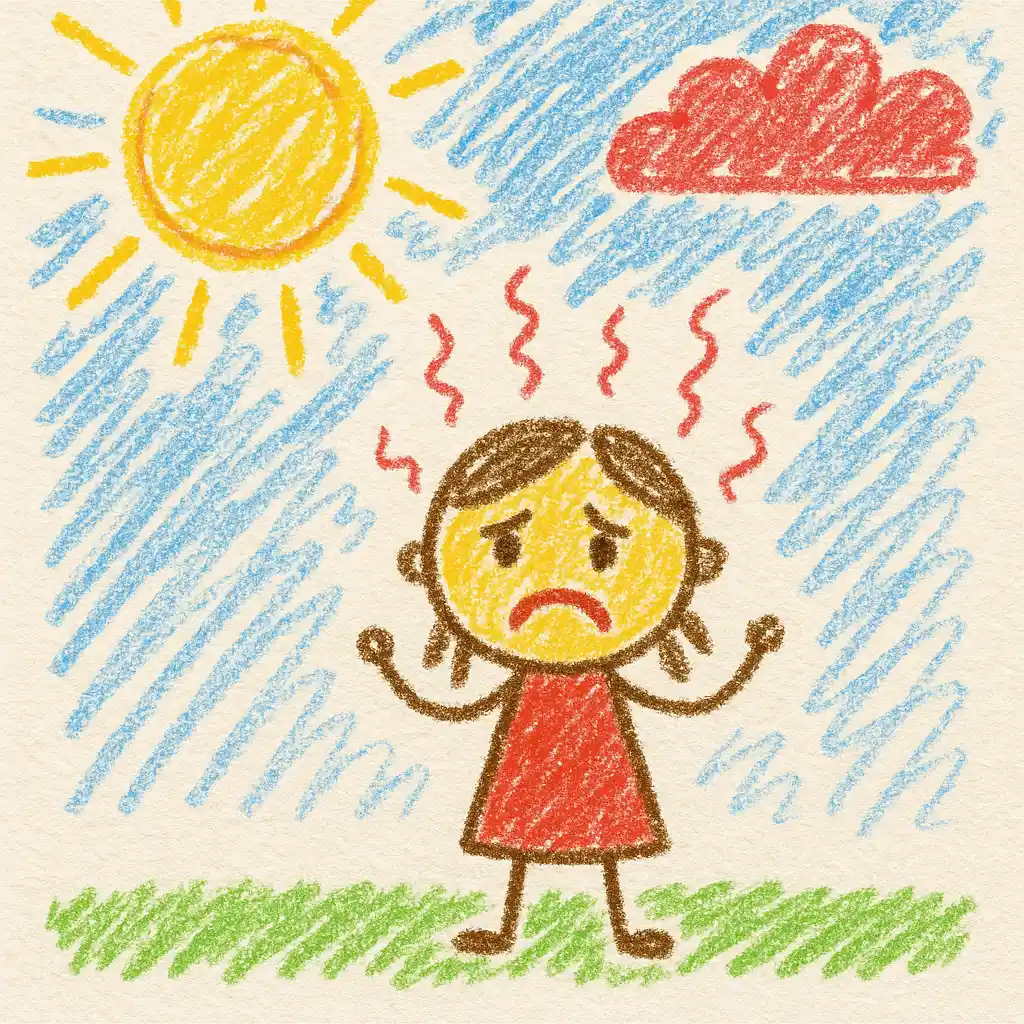
Imagine you just finished painting a picture. You think it's the best picture ever because you made it, right? Now, usually, you'd show it to someone else to see what they think, maybe your friend or your mom. But what if you were the only one who decided if it was good or not? You'd always think all your pictures are great!
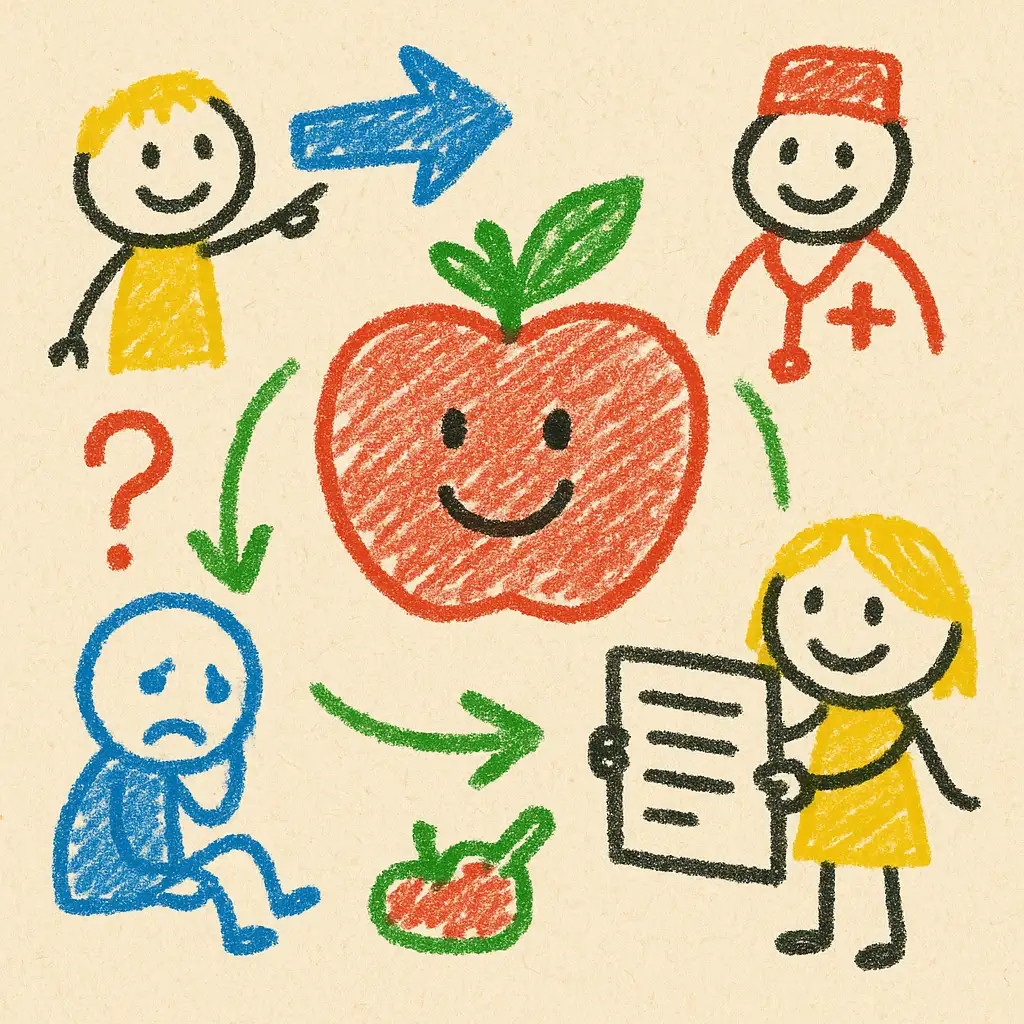
Well, there's a big group called the NHS that helps people feel better when they're sick. They've got a plan to stop asking a special friend (we'll call them the "watchdog") to check if they're doing a good job. Instead, they'll decide themselves if they're doing good. Some people, like the councils (kind of like class monitors), are saying, "Wait a minute, if you check your own work, you might miss some mistakes!"
Explain Like I'm 10
So, the NHS is like a huge team of doctors and nurses who help sick people in England. Normally, there's a group called a "watchdog" that checks to make sure the NHS is doing its job right. Think of it like a teacher checking your homework to help you correct your mistakes.
Now, the government wants to change things up. They have a plan that means the NHS would check its own work, without the watchdog. It's a bit like doing your homework, grading it yourself, and then telling everyone you got all the answers right. Some people, like the councils (they help run local areas), are worried that this isn't a good idea. They think the NHS might not see the mistakes it's making, just like sometimes you might not notice a spelling mistake in your own writing.
The government says this change is to make things better and more modern, but not everyone is convinced. They think it's important to have someone else check the NHS's work to keep everything running smoothly and fairly.
Explain Like I'm 15
The National Health Service (NHS) in England is undergoing some major proposed changes through a government bill. One of the key aspects of this bill is to abolish the role of independent patient watchdogs. These watchdogs are external bodies that monitor and assess the performance of the NHS, ensuring that standards are met and that the patient care is not compromised.
The idea behind removing these watchdogs is part of a wider plan to modernize the NHS, possibly making it more streamlined and possibly reducing bureaucracy. Think of it as trying to simplify how things are run, but there's a significant risk involved. Without an independent body to oversee operations, there's a concern that the NHS could become less transparent and accountable. It's a bit like removing referees from a soccer game; who's going to fairly call the fouls?
Councils, the local governing bodies, are particularly vocal about their concerns. They argue that without these watchdogs, the NHS is essentially left to "mark its own homework," a situation ripe for self-approval and denial of existing problems.
The broader implications here touch on public trust and the quality of healthcare. Without oversight, the potential for decline in service quality and mismanagement could increase, affecting millions of people who rely on the NHS. This debate encapsulates a classic governance dilemma: efficiency versus oversight. What comes next could redefine how healthcare is monitored and delivered in one of the world's largest health systems.
Want to read the original story?
View Original Source