After a Supreme Court ruling, expect even more gerrymandering
Explain Like I'm 5
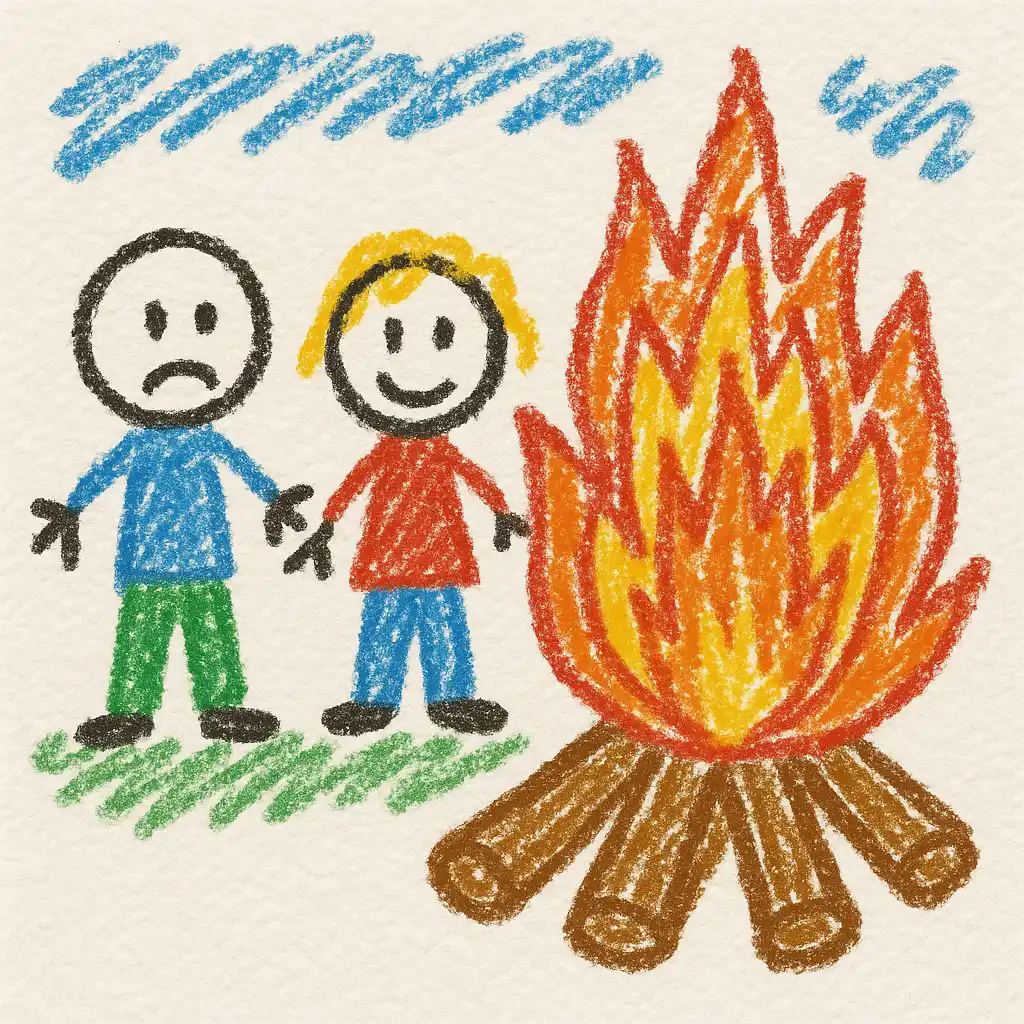
Imagine you have a chocolate bar, and you have to share it with your friends at a party. Now, suppose you can choose who gets the big pieces and who gets the small ones. If you decide to give the biggest pieces to your best friends so they'll like you more, that's a bit like gerrymandering. Gerrymandering is when leaders draw lines on a map to decide who votes where, so they can win more easily. Recently, the big bosses at the Supreme Court said it's okay to keep drawing the map in a way that lets some leaders win by giving them the big pieces of the chocolate bar. So, we might see more of this map-drawing game in the future.
Explain Like I'm 10
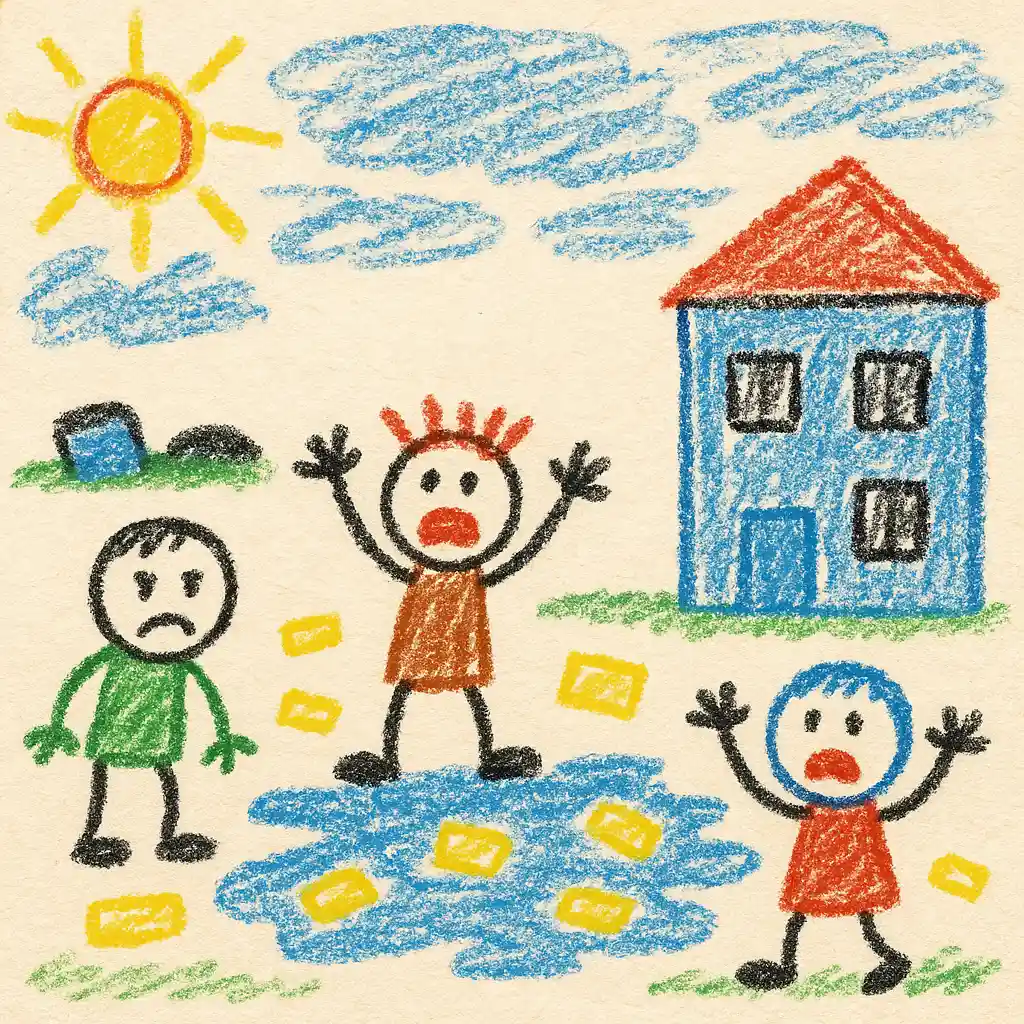
Gerrymandering is like a puzzle. Imagine you have a map of your state, and you can draw the lines for where people vote. Now, if you draw these lines in a special way, you can make sure that most of the voters in each area will vote for your team. That's what some politicians do—they draw the lines so they can have a better chance of winning their elections.
Recently, the Supreme Court, which is like the principal for all the courts in the U.S., decided on a big rule about how these lines can be drawn. They said it's okay to draw the lines in a way that helps certain politicians win. After this decision, many states are expected to start redraw their maps to help their own teams win more easily. This is important because it means some voices might get louder while others might not be heard as much, just like how some kids get to speak more in class.
Explain Like I'm 15
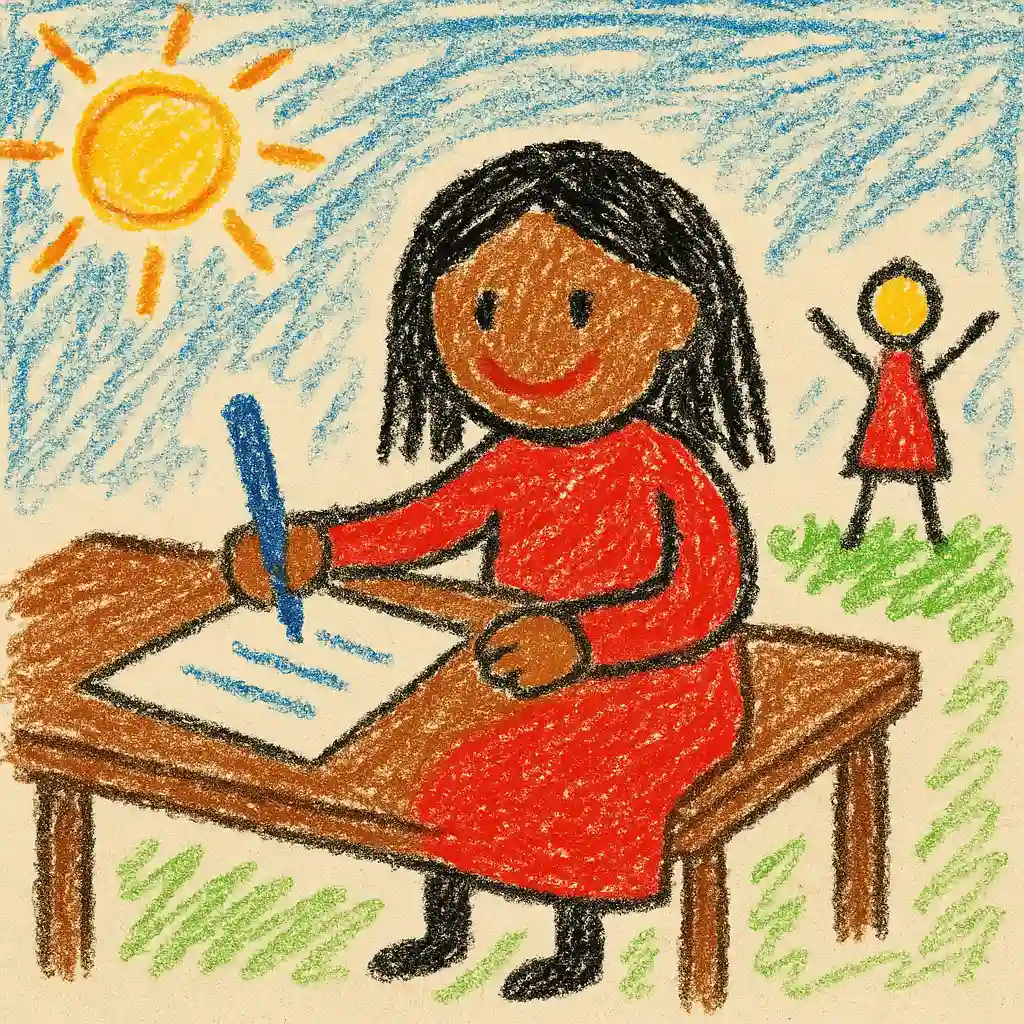
Gerrymandering is a strategy where political parties manipulate voting district boundaries to gain an advantage in elections. The aim is to distort the voter distribution so that the majority party can secure more seats than it might naturally earn based on its actual support among voters. This can be done by either packing a large number of opposition voters into a few districts or spreading them thinly across many districts to dilute their influence—a bit like rigging the game in favor of one player.
Recently, the U.S. Supreme Court made a significant decision that essentially allows more freedom for states to engage in gerrymandering without much federal oversight. This ruling is critical because it comes at a time when technology for map-drawing is very advanced, allowing precise manipulation of district boundaries to influence election outcomes.
This decision could reshape the political landscape by solidifying the power of the majority parties in many states, potentially leading to less competitive elections and more polarized political environments. The historical context here includes a long-standing battle over voting rights and district boundaries, dating back to the civil rights era. The broader implications could affect everything from local policies to national legislation, as the composition of state legislatures and the House of Representatives might lean more heavily in favor of the parties that control the redistricting process. Moving forward, this could lead to significant shifts in political power and influence across the country, depending on how aggressively states pursue redistricting strategies.
Want to read the original story?
View Original Source