Announced, Delayed, Disappeared: The Games Still In Limbo
Explain Like I'm 5
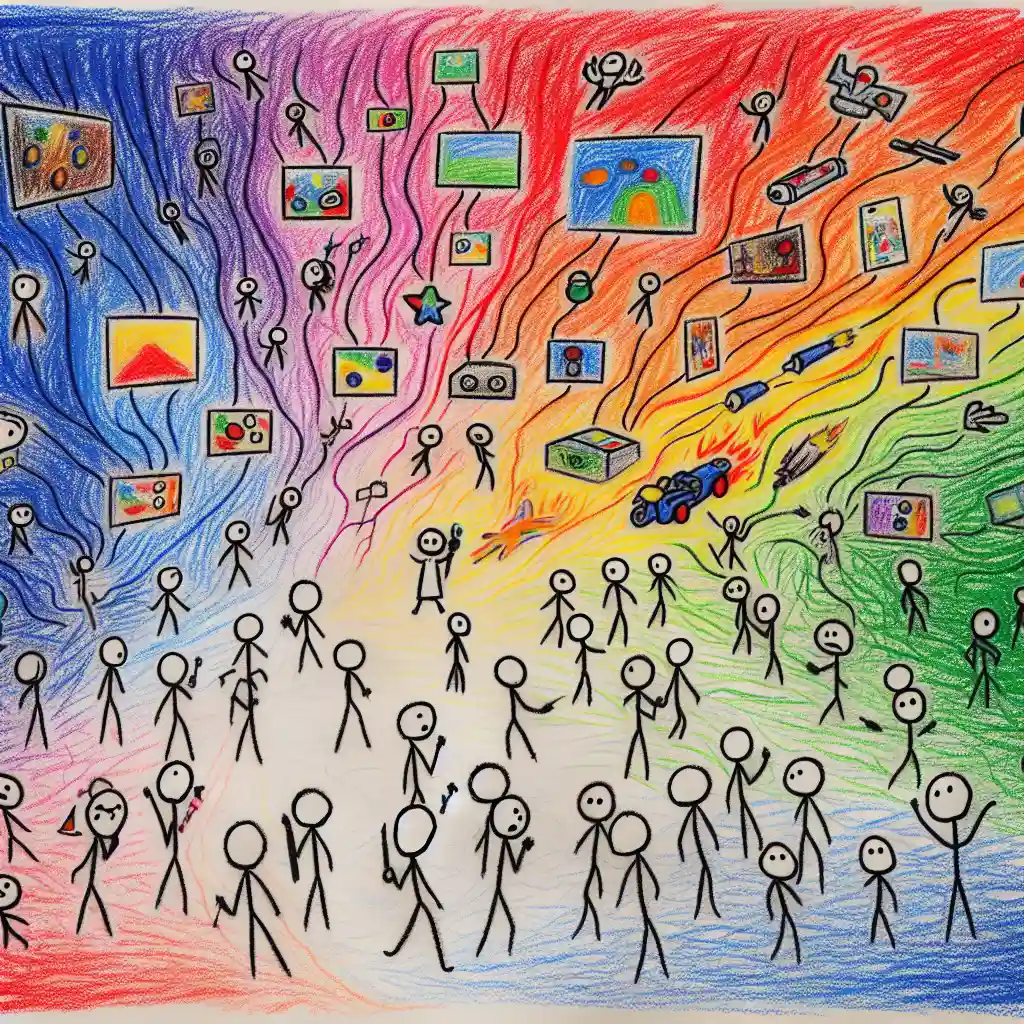
Imagine you're waiting for your birthday party, which was supposed to happen today, but then it gets pushed to next week, and then maybe even to next month! You'd feel a bit sad and impatient, right? That's what's happening with some video games. They were supposed to be ready by now, but they keep getting delayed. Some games are like a super long game of hide and seek where the games have hidden so well, we're not even sure when they'll come out to play!
Explain Like I'm 10
When video games are made, they sometimes tell everyone about it with a big announcement. It's like saying, "Hey, we're going to have this awesome new game for you to play soon!" But making games can be very tricky and take a lot of time. Sometimes, the people making the games realize it's going to take longer than they thought, so they have to delay the release date. This can happen once, or even a few times. And sometimes, after waiting a long time, we don't hear any more news about the game—it's like it just disappears or goes into hiding. Games like "Beyond Good & Evil 2" and "The Elder Scrolls 6" have been waiting for a long time to be finished and released for people to play.
Explain Like I'm 15
In the gaming industry, developing big, exciting games is a massive undertaking that involves lots of creative and technical work. This can lead to lengthy development cycles, sometimes spanning over a decade. Games like "Beyond Good & Evil 2" have been in the works for nearly 20 years, entering what many call "development hell," where games remain unfinished for various reasons—technical challenges, changes in the game's scope, or even financial issues at the developing studio.
These delays can frustrate fans who are eagerly anticipating new releases, especially when games are announced with much hype. For instance, "The Elder Scrolls 6" was revealed with great fanfare but has seen little to no significant updates since its announcement, leaving fans in the dark about its progress. Such situations can also impact the developers, who face pressure to deliver on their promises while managing the complexities of game development.
The broader implications involve financial risks for the gaming studios and potential shifts in market dynamics, as new technologies and gaming trends evolve during the extended development periods. As these games languish in uncertainty, they risk becoming outdated or falling out of public interest, which can be a significant setback for the developers and publishers investing in these projects. Meanwhile, the industry watches and waits, hoping these games will eventually see the light of day and meet the high expectations set by their initial announcements.
Want to read the original story?
View Original Source