At the scene of deadly Pakistan mosque explosion
Explain Like I'm 5
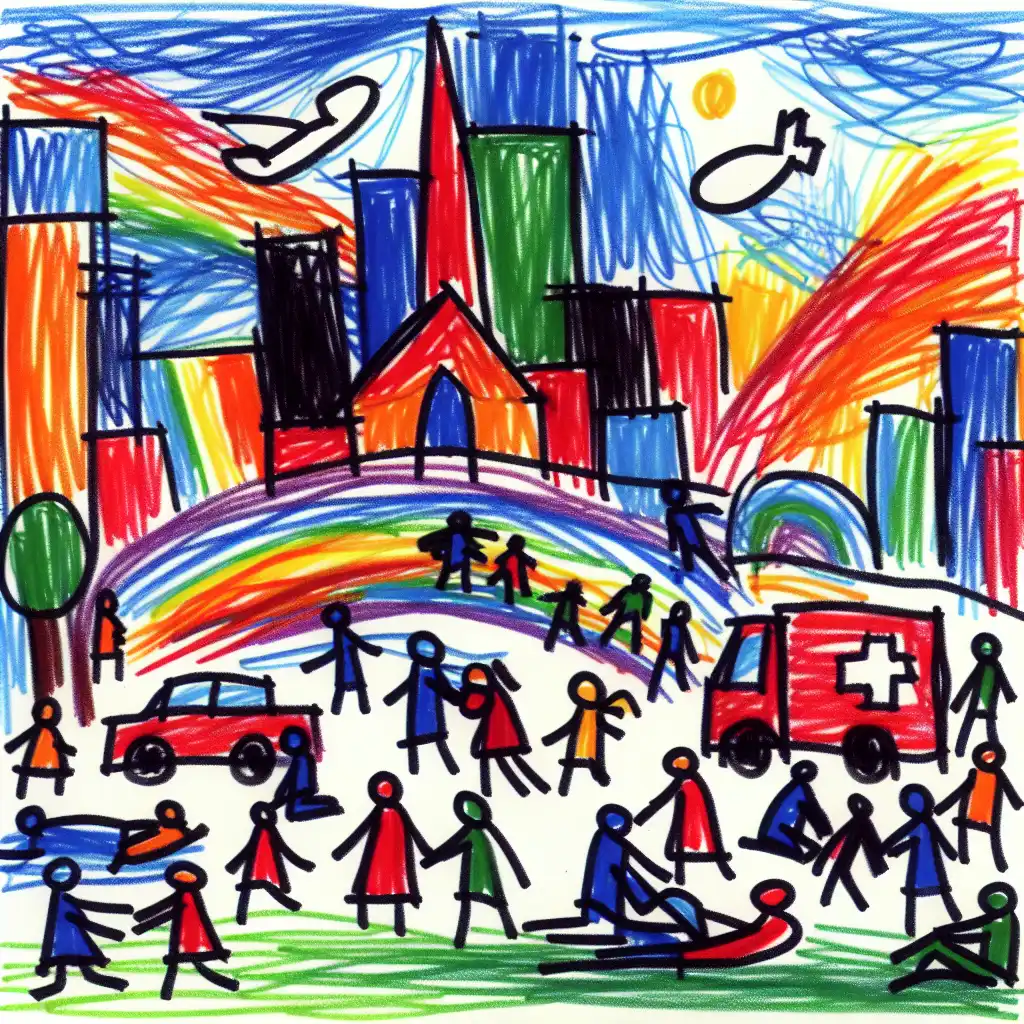
Imagine if someone in your class decided to break something really important in the school because they were upset with a few students. It's super sad and makes everyone feel unsafe and unhappy. That's kind of what happened in Pakistan. A very bad person went into a special place called a mosque, where many people go to pray and feel peaceful. This person had a bomb and made it explode, hurting many people. It's a very sad thing because everyone should feel safe, especially in places that are important to them.
Explain Like I'm 10
In Pakistan, which is far away from here, there was a very sad event at a mosque, a place where people go to pray and find peace. A person who wanted to cause harm and was very angry about some disagreements involving religion, decided to set off a bomb during a time when many people were gathered there for prayer. This type of attack is called a suicide bombing because the person who carries the bomb plans to not survive the explosion. Unfortunately, at least 31 people were killed because of this. It's a tragic moment because a mosque is supposed to be a sanctuary, a safe space, not a place of fear and sadness. This event has made many people, especially those who go to this mosque, feel very scared and upset.
Explain Like I'm 15
This tragic incident occurred in Pakistan, specifically at a Shia mosque. In this attack, a suicide bomber detonated an explosive device, resulting in the death of at least 31 individuals. The attack specifically targeting a place of religious worship adds layers of complexity and sorrow, as mosques are supposed to be havens of peace and community gathering.
This kind of violence has deep roots, often tied to longstanding religious, ethnic, or political conflicts. In regions like Pakistan, sectarian violence, or violence between different religious groups, has been a recurring issue, fueled by various groups who have opposing views on how society should be structured and how religious beliefs should be interpreted. These attacks not only cause immediate harm and loss of life but also deepen the divisions within communities, making peace and reconciliation harder to achieve.
Looking ahead, the aftermath of such an attack can lead to increased security measures, fear amongst the populace, and potential retaliatory acts, which could further escalate tensions. It's a cyclical tragedy that experts and leaders struggle to resolve, emphasizing the need for dialogue, education, and policies that foster unity rather than division.
Want to read the original story?
View Original Source