Attacks on Ebola centres intensify in eastern DRC amid outbreak fears
Explain Like I'm 5
Imagine you have a box of crayons that needs to stay closed so the colors don’t spill everywhere and make a mess. In eastern Democratic Republic of Congo (DRC), there’s a very serious sickness called Ebola that doctors are trying to keep in a "box" by treating sick people in special centers. However, some people in the area are upset and scared because they think their traditions for saying goodbye to their loved ones aren’t being respected when doctors handle burials. So, they are showing their anger by attacking these centers, which makes it hard for doctors to keep the "crayon mess" from spreading.
Explain Like I'm 10
In eastern DRC, there's a very dangerous disease called Ebola, which can make people extremely sick and can spread quickly if not controlled. Doctors and health workers have set up special centers to help sick people and stop the disease from spreading to others. However, the way doctors need to handle people who have died from Ebola is different from the local burial traditions, leading to upset and mistrust among the community members.
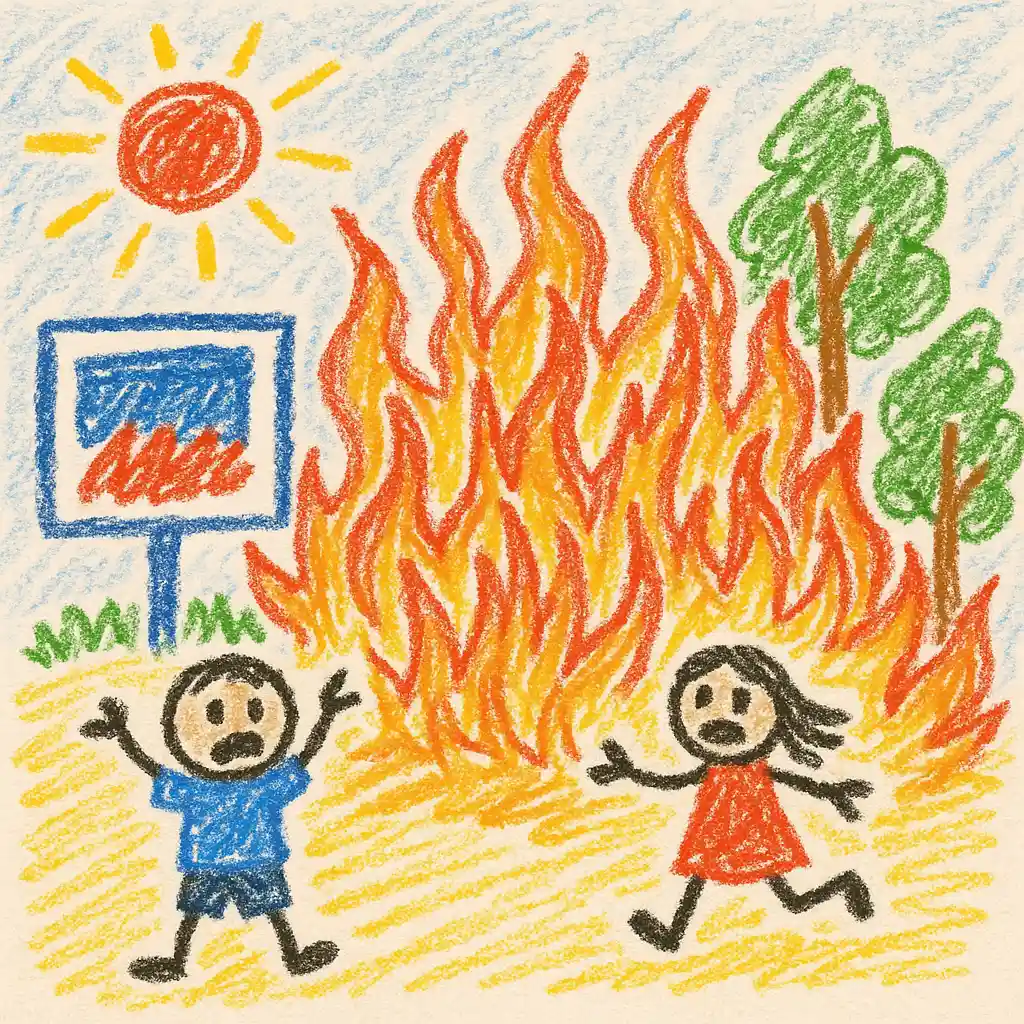
Because of this, some people have started attacking these Ebola centers. They're scared and angry because they feel their traditions aren't being respected. These attacks make it very challenging for health workers to do their jobs, which is to control the disease and keep everyone safe. It's like trying to put out a fire while others are throwing more wood on it.
Explain Like I'm 15
The situation in eastern Democratic Republic of Congo (DRC) is quite complex. There's an outbreak of Ebola, a severe and often deadly disease that spreads through direct contact with the bodily fluids of infected persons. To manage and contain the outbreak, health organizations have set up special centers to treat patients and safely bury those who die, which is crucial to prevent further spread of the disease.
However, these safety measures clash with local burial practices, which are deeply ingrained in the community's traditions and beliefs about honoring the dead. This clash has led to growing mistrust and anger towards the health workers and the government, culminating in violent attacks on Ebola centers. These attacks disrupt efforts to control the outbreak and pose risks to both the health workers and the local communities.
This ongoing conflict highlights the broader challenges of managing health crises in regions where there is a strong attachment to traditional practices and where there may already be mistrust of authorities and external organizations. It's a delicate balance between respecting cultural practices and ensuring public health safety. The outcome of this situation could have implications not just for the immediate area but also for global health policies on managing infectious diseases within different cultural contexts.
Want to read the original story?
View Original Source