Australia confirms first diphtheria death amid worst outbreak in decades
Explain Like I'm 5
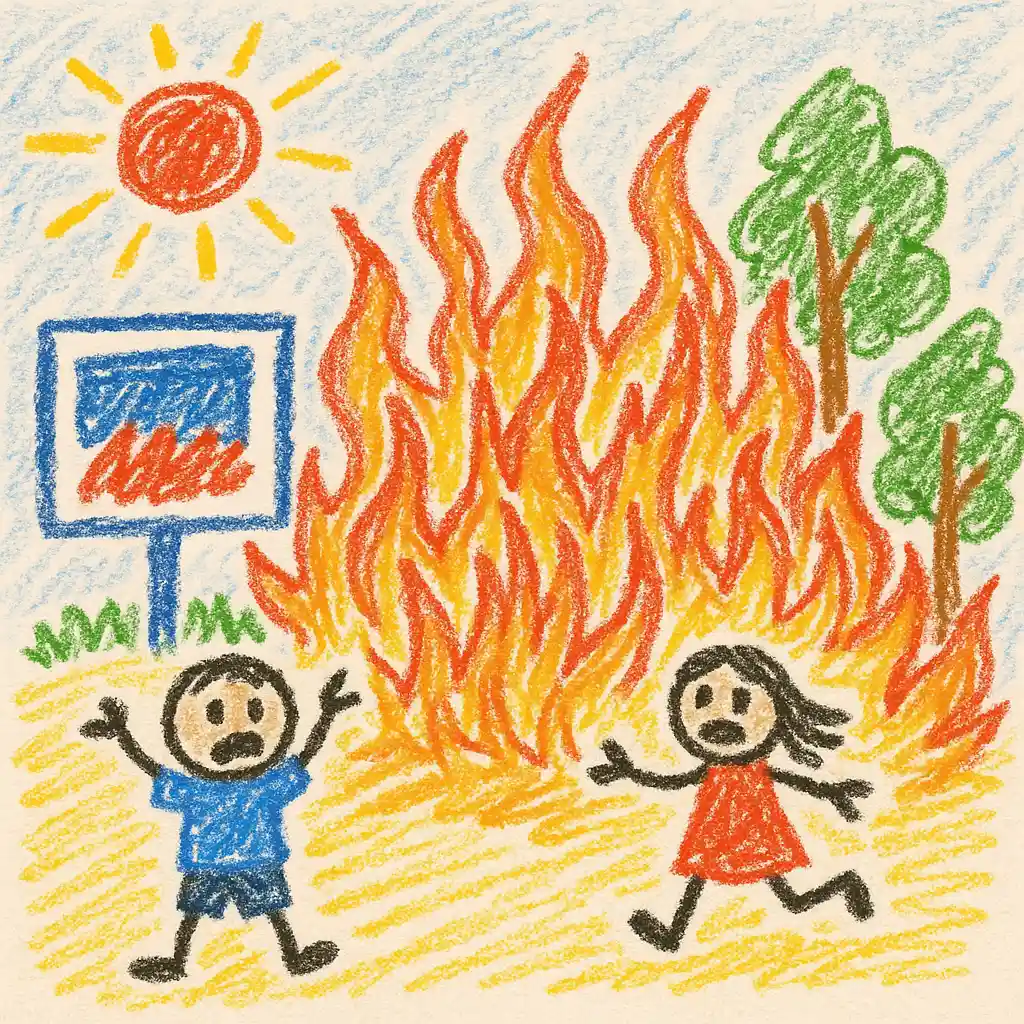
Imagine if your body was like a garden, and suddenly some naughty weeds showed up trying to take over and make all the flowers sick. This is a bit like what's happening in Australia with a sickness called diphtheria. Unfortunately, one person has already died because of this sickness, which hasn't happened there in a very long time. Diphtheria is like a really bad weed because it can make it hard to breathe and hurt people a lot. Doctors and nurses are like gardeners trying to get rid of the weeds and make sure everyone stays as healthy as possible!
Explain Like I'm 10
Diphtheria is a very serious disease caused by bad germs that can make it really hard for people to breathe and swallow. It's like these germs throw a really sticky party in your throat, and it gets so crowded that air can't get through properly. Recently, Australia reported that someone died because of this disease, and it's the first time it's happened in many years. Right now, most of the sick people are in a part of Australia called the Northern Territory, but there are also a few cases in other areas like Western Australia, South Australia, and Queensland.
Doctors are working super hard to stop this disease from spreading more. They use special shots, kind of like a superhero shield, to protect people from getting diphtheria. This news is especially important because it reminds everyone how crucial it is to stay up-to-date with vaccinations, which help keep these nasty germs away.
Explain Like I'm 15
Diphtheria is an infectious disease that's been largely kept under control in places like Australia, thanks to vaccinations. However, Australia is currently experiencing its worst outbreak in decades, with the first death from the disease in a long time. This is significant because it highlights potential gaps in public health practices, possibly where vaccination rates have dropped or awareness has decreased.
The outbreak is primarily concentrated in the Northern Territory, but there are also cases reported in Western Australia, South Australia, and Queensland. The disease affects the throat and upper airways, leading to severe breathing difficulties and can be fatal if not treated promptly and properly. The resurgence of such a disease raises concerns about the effectiveness of current public health strategies and the importance of maintaining high vaccination rates.
The broader implications include reevaluating how health warnings and vaccination campaigns are managed, especially in remote or underserved areas. The situation serves as a reminder of the ongoing battle against infectious diseases and the need for constant vigilance, even against illnesses that were thought to be well under control. What happens next could influence public health policies not just in Australia, but potentially in other parts of the world where similar vulnerabilities might exist.
Want to read the original story?
View Original Source