BBC at the site of Israeli air strikes in Beirut
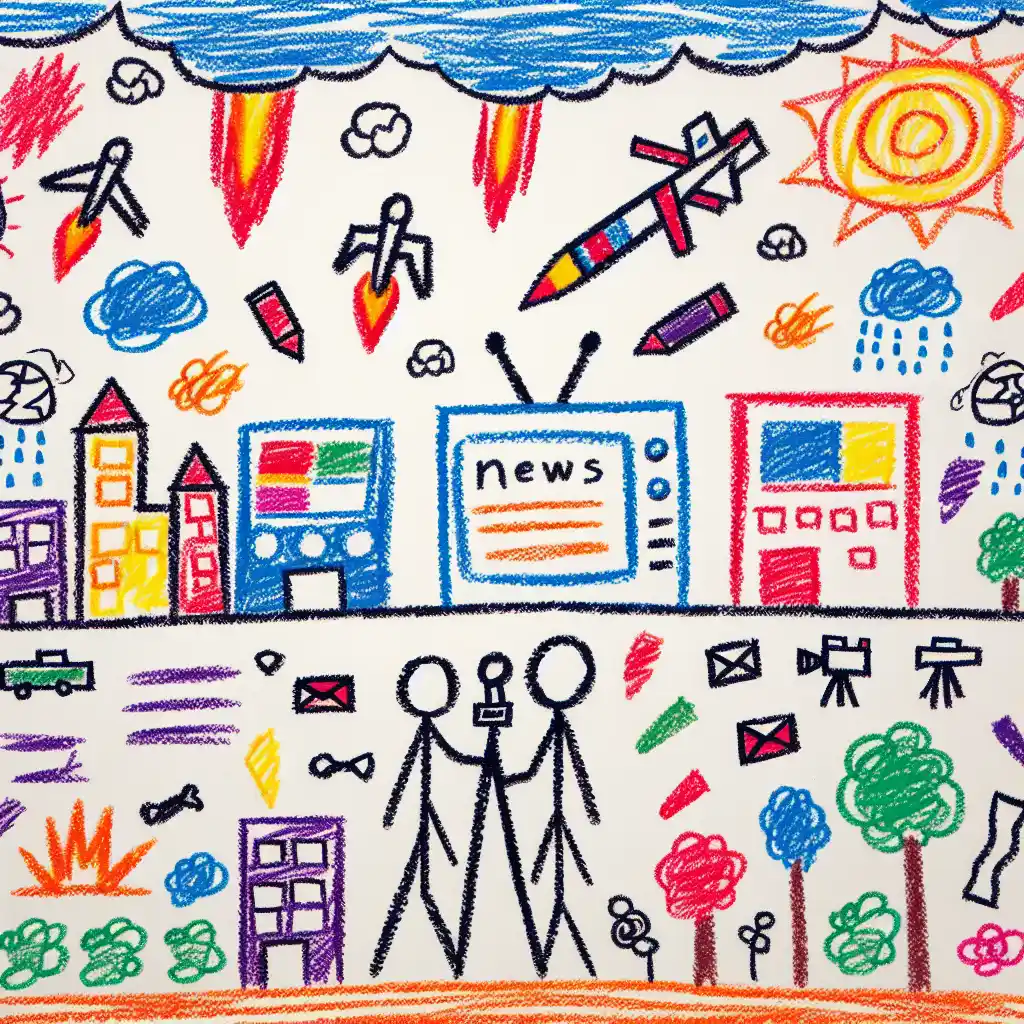
Explain Like I'm 5
Imagine you have a box of crayons. If someone comes along and breaks some of your crayons, you'd be really sad, right? Now, imagine instead of crayons, we're talking about houses and places where people live and work. Recently, there were some very big booms in a city called Beirut, caused by planes from a country called Israel. These booms hurt a lot of buildings and, sadly, a lot of people got hurt too. The people from BBC, which is like a big group of storytellers from another place, went to see what happened and to tell everyone about it.
Explain Like I'm 10
So, there's this place called Beirut in Lebanon, and recently, it experienced some very bad events. Israel, a neighboring country, sent planes that dropped bombs on parts of the city. This is really serious because many people were hurt or killed. The numbers are pretty big - at least 182 people died and about 890 people were injured. That's like if almost everyone in your school got hurt in one day.
The BBC, which is a big news company from the UK, sent some reporters to Beirut to see what happened and tell the world about it. They do this because it's important for people everywhere to know when bad things happen, so hopefully, those things can be stopped or fixed. Right now, it's a really tough time for the people in Beirut, and many people around the world are talking about how to help them.
Explain Like I'm 15
Recently, Beirut, the capital city of Lebanon, was hit by air strikes from Israel. This kind of military action is serious and has devastating effects. The latest reports say that at least 182 people have died and around 890 were injured. These numbers are not just statistics; they represent real people whose lives and families have been dramatically affected.
The BBC, a major international news organization from the UK, has journalists on the ground in Beirut. They're there to report on the aftermath, providing firsthand accounts of the damage and the human impact of these strikes. This is crucial because it helps the global community understand the severity of the situation.
The historical context here involves long-standing tensions between Israel and various groups in Lebanon, including Hezbollah, a militant group. The dynamics in this region are complex, influenced by political, religious, and ethnic factors. Lebanon has been facing a lot of challenges even before this, including economic problems and political instability.
The implications of these air strikes are significant. They could lead to further violence, worsening humanitarian conditions, and international diplomatic conflicts. Experts are concerned about the stability of the region and what these developments might mean for the future peace in the Middle East. The global response will also be something to watch, as countries and international organizations react to this tragic event.
Want to read the original story?
View Original Source