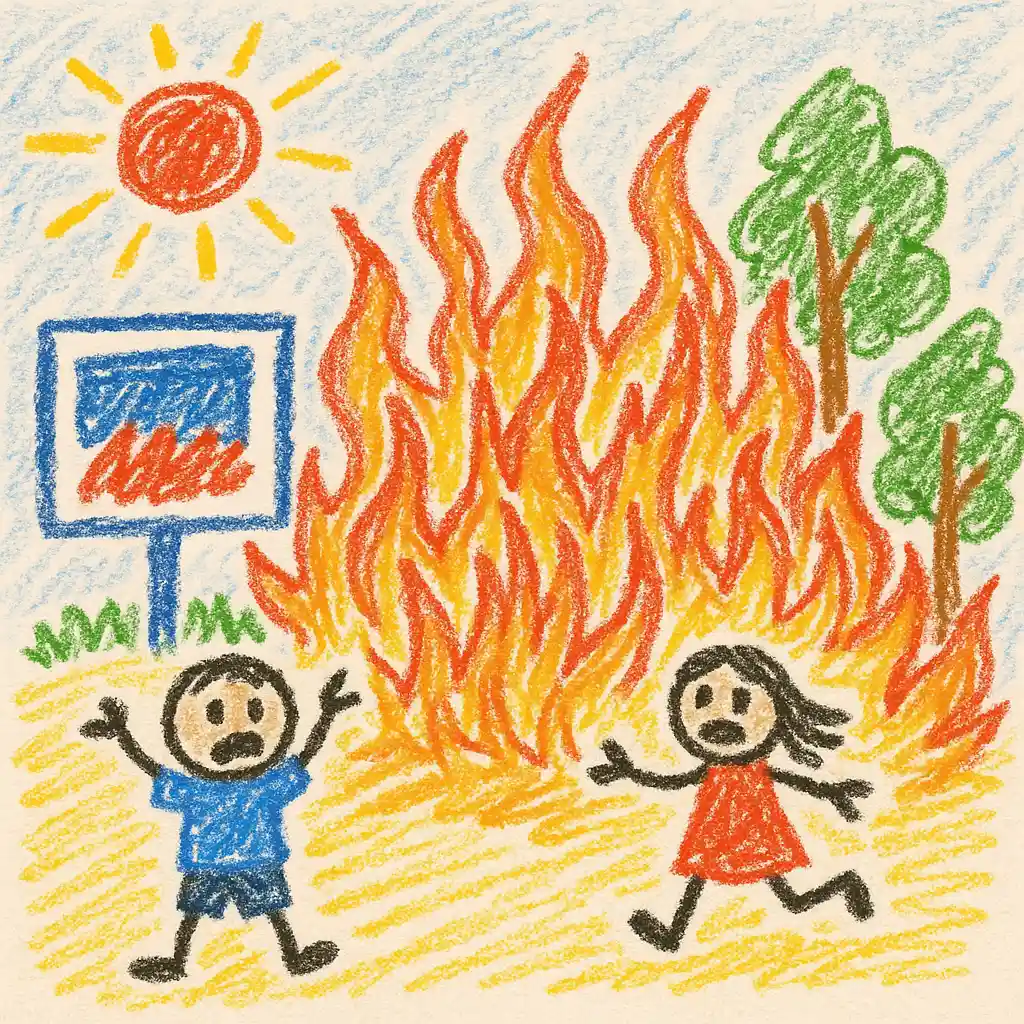
Born too soon: Premature babies fight for survival in Gaza
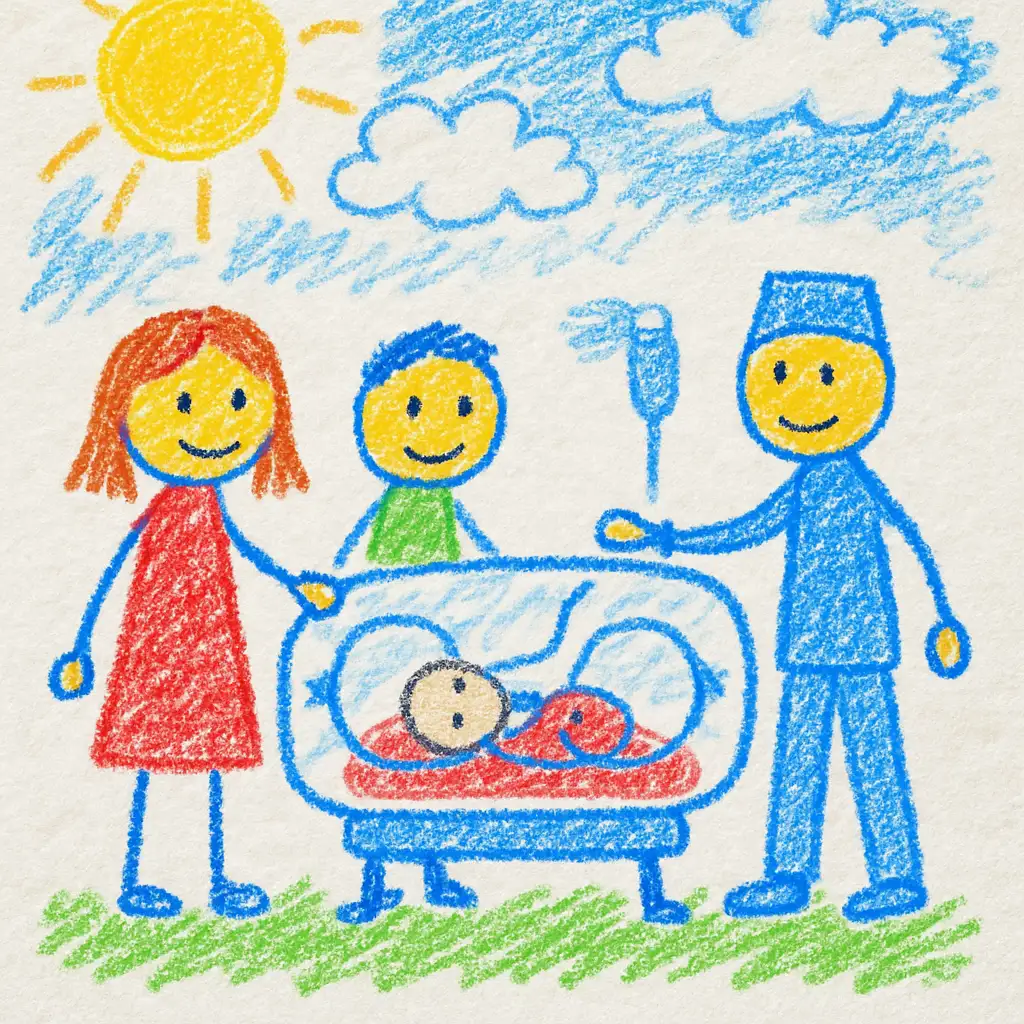
Explain Like I'm 5
Okay, imagine a little baby who is supposed to be cozy and warm inside their mom's belly, but instead, they come out too early, like when you try to make cookies but take them out of the oven too soon. They need extra help to grow strong and healthy! In Gaza, a lot of babies are being born too early because of a difficult situation, and they need special attention to survive.
The big takeaway? These tiny babies are fighting really hard to stay alive, and they need all the love and care they can get!
Explain Like I'm 10
So, in Gaza, there's a tough situation happening. Because of ongoing conflicts, many mothers are facing extreme stress which is leading to a rise in premature births—babies born before they're fully ready to come into the world. When babies are born too soon, they can have trouble breathing and eating, kind of like trying to ride a bike without training wheels before you're ready!
The main players here are the mothers and their tiny babies, who are struggling in a very challenging environment. Right now, hospitals in Gaza are overwhelmed, making it even harder for these premature babies to get the care they need. The situation is urgent and needs attention because every baby deserves a chance to grow up healthy.
Explain Like I'm 15
The situation in Gaza is dire, with ongoing conflict leading to a significant increase in premature births. This is largely due to the high levels of stress and trauma that pregnant women are experiencing in such an unstable environment. Studies show that stress can negatively impact pregnancy outcomes, and in this case, it’s not just the mothers who are suffering but their newborns as well.
Historically, Gaza has been a region marked by conflict, which has strained its healthcare system. Hospitals are often overcrowded, under-resourced, and facing shortages of essential supplies. This crisis is exacerbated by the current escalation of violence, which has led to an influx of premature births. Many of these babies require intensive medical care, and the facilities are struggling to keep up.
The broader implications of this situation are profound. The health and survival of these newborns can impact not only their families but also the future of the community. If these babies don't receive the necessary care, it can lead to long-term health issues and societal challenges. Experts are concerned about the long-term effects on population health and the socio-economic implications for a region already facing significant hardships.
As this crisis unfolds, it raises urgent questions about humanitarian support and international response. What can be done to help these families? How can we ensure that mothers and their babies receive the care they desperately need? The world is watching, and the hope is that attention to this issue can lead to meaningful action.
Want to read the original story?
View Original Source