'Breakthrough' Alzheimer's drugs unlikely to benefit patients, report suggests
Explain Like I'm 5
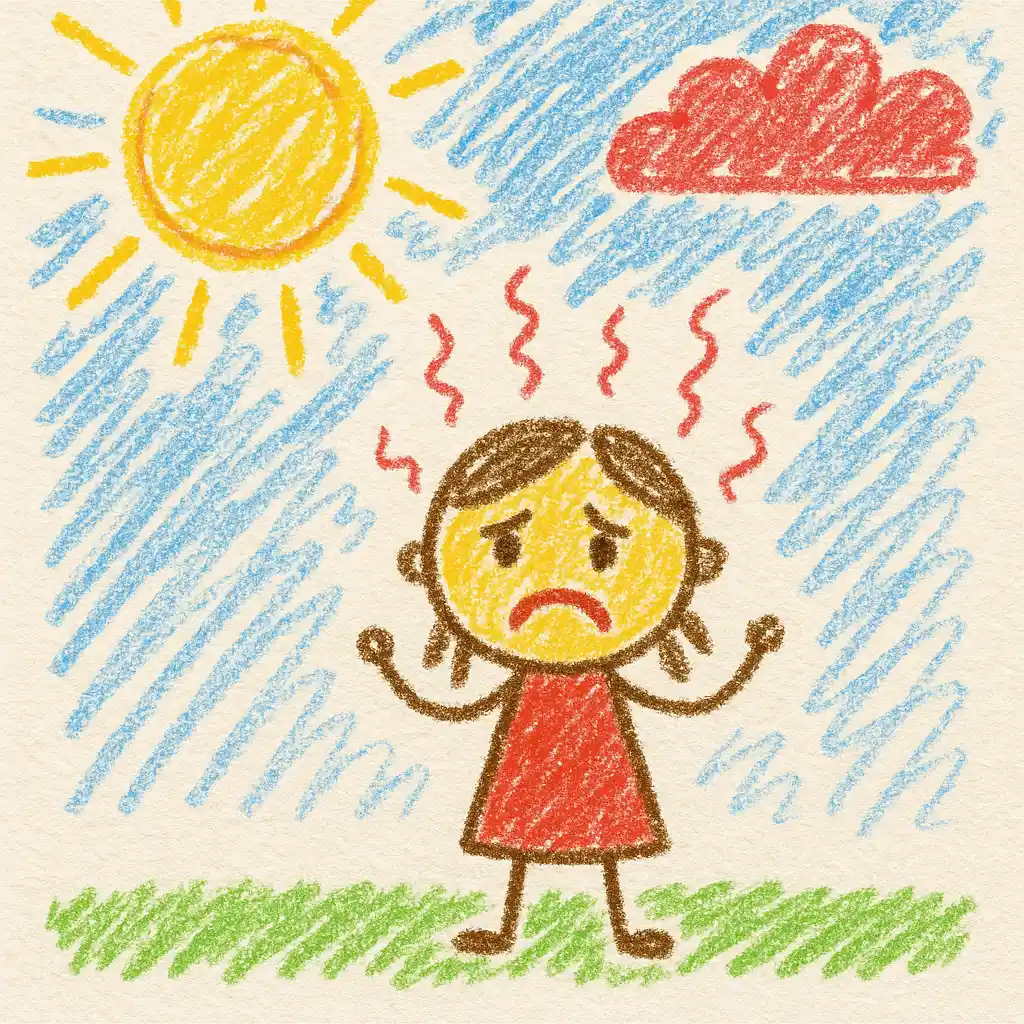
Imagine you have a toy that everyone said was super cool and could do amazing tricks. But then, when you finally get to play with it, it doesn’t do the tricks as well as you thought it would. That’s kind of what happened with some new medicines for a brain sickness called Alzheimer's. Doctors and scientists were really excited about these medicines because they thought they could help a lot. But a big report just said that these medicines might not really help people notice any big changes in how they feel or remember things. It’s like expecting a super jump rope that turns by itself but then finding out it’s just a regular jump rope.
Explain Like I'm 10
So, there’s this disease called Alzheimer’s that mostly affects older people, making it hard for them to remember things and take care of themselves. Scientists have been working super hard to find medicines that can help. Recently, they came up with some new drugs that everyone was calling 'breakthroughs' because they were supposed to be really good at treating this disease.
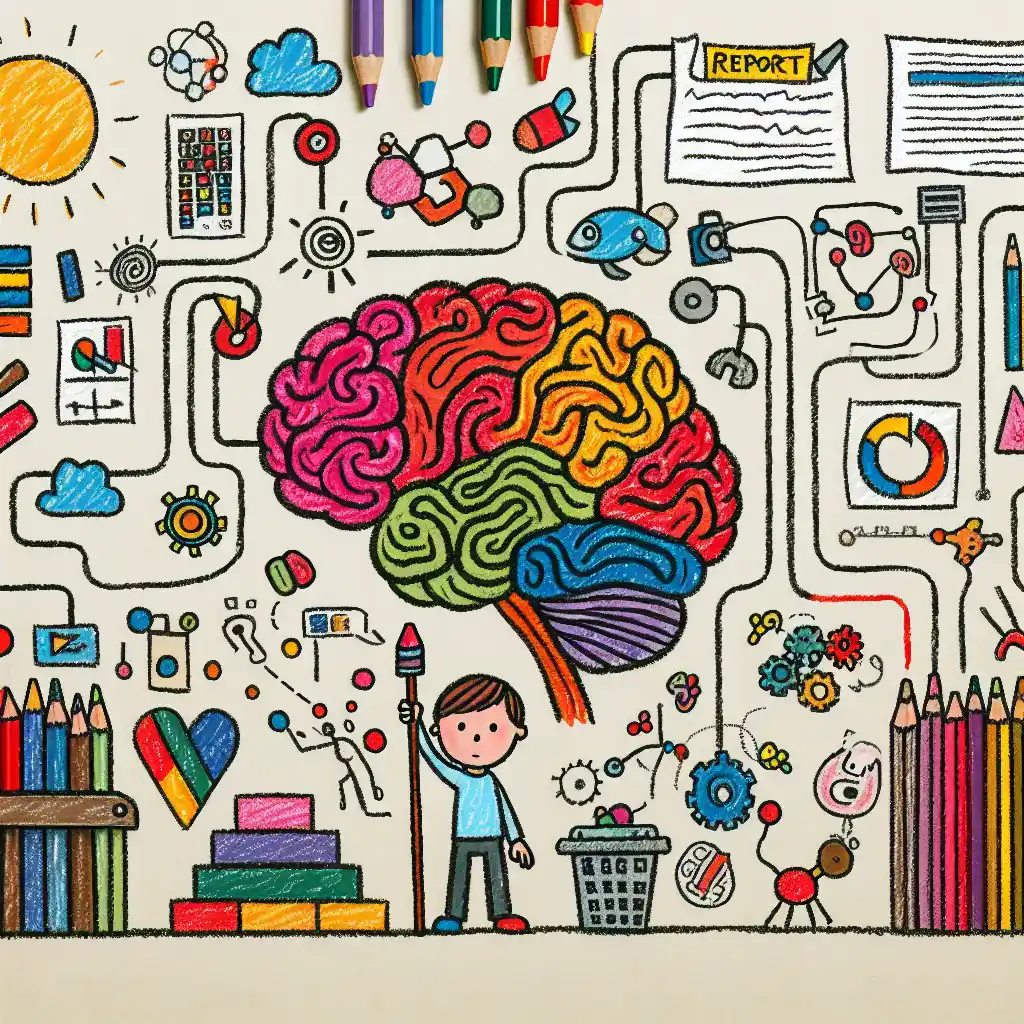
However, a new big report – think of it as a super detailed school project – looked into these drugs and found that they might not be as helpful as everyone hoped. The report said that the benefits, or the good things that come from these drugs, are too small. It’s like if someone gave you glasses to see better, but they only cleaned up your vision a tiny bit, so you still can’t see the board at school clearly. Now, doctors and patients are trying to figure out what this means for treating Alzheimer’s in the future.
Explain Like I'm 15
Alzheimer’s disease is a serious condition that affects millions of elderly people worldwide, leading to memory loss and cognitive decline. In response, pharmaceutical companies have been racing to develop effective treatments. Recently, a few new drugs were hailed as major breakthroughs in the fight against Alzheimer's. These drugs aimed to significantly slow down the progression of the disease, offering hope to many.
However, a comprehensive review has just challenged the effectiveness of these drugs. According to this report, the actual benefits of these medications are minimal, meaning that they make such slight improvements that most patients might not even notice any change in their daily lives. This is a big deal because it questions the value of prescribing these drugs, especially when considering their cost and the potential side effects.
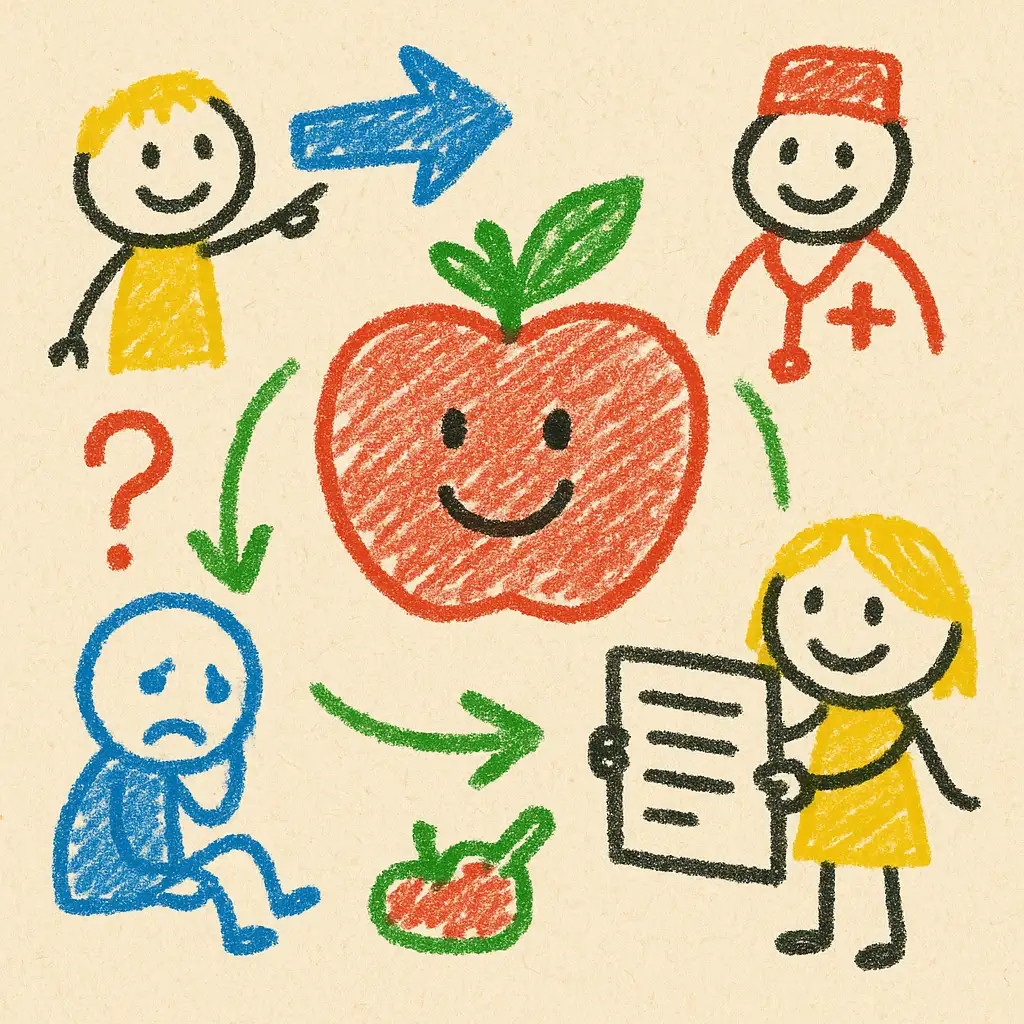
This situation puts healthcare providers in a tough spot as they need to decide whether to recommend these drugs to patients. It also sparks a broader discussion about how we evaluate and approve medications. Going forward, this could lead to more stringent requirements for proving the effectiveness of new treatments before they hit the market. Meanwhile, families affected by Alzheimer’s are left in a state of uncertainty about what’s best for their loved ones.
Want to read the original story?
View Original Source