California sues OpenAI for being a public nuisance
Explain Like I'm 5
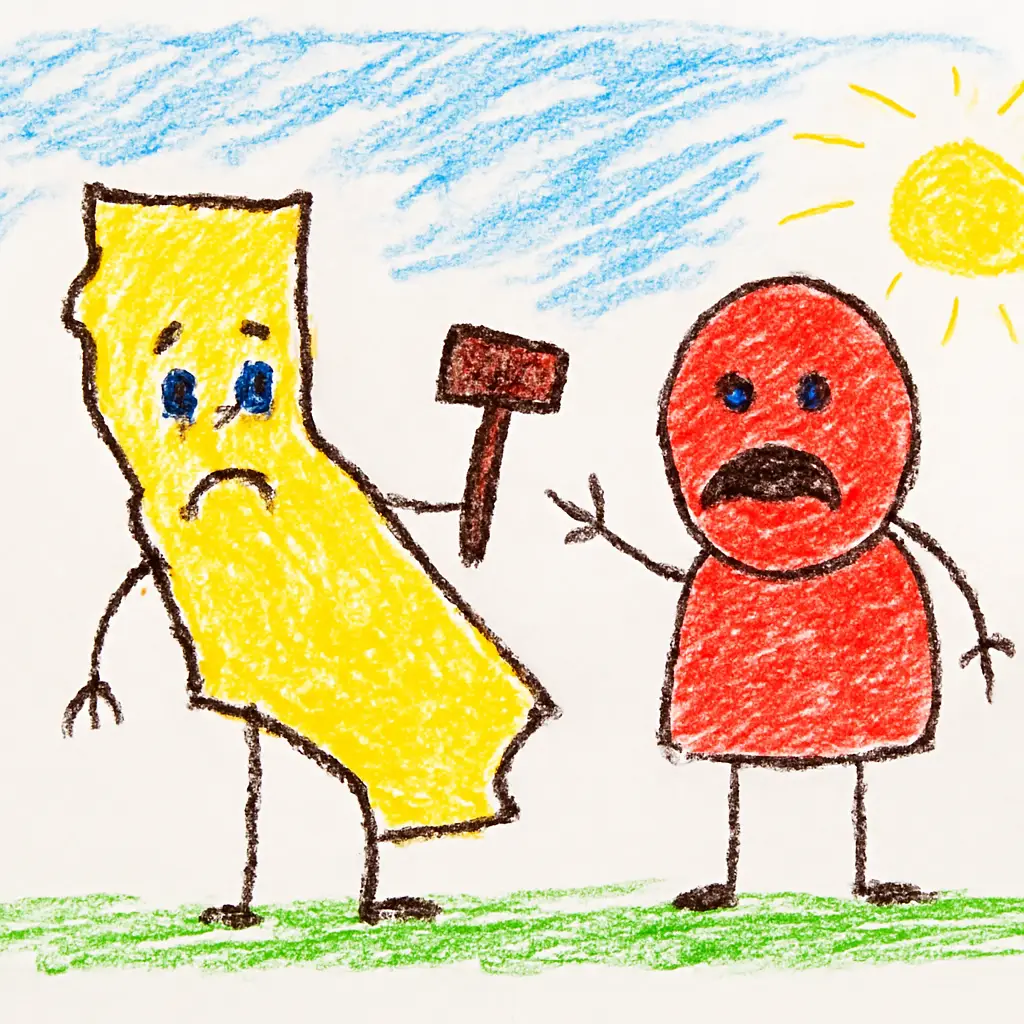
Okay, imagine you have a toy that makes noise, like a really loud fire truck. Now, if you and your friends play with it outside, it’s all fun and games. But what if the toy starts scaring your neighbors because it won't stop making noise, even when you’re not playing with it? That’s kind of like what California is saying about OpenAI. They think OpenAI is like that noisy toy, causing trouble for people because it didn’t play nicely and made some messes.
The big takeaway? California is saying that OpenAI needs to be better at being a good neighbor and not causing problems for everyone else!
Explain Like I'm 10
So, here’s the deal: California has decided to sue OpenAI, the company behind ChatGPT and other AI tools. They’re claiming that OpenAI is being a “public nuisance.” This is like saying, “Hey, you’re making life harder for everyone around you!” The state believes OpenAI has created technology that misleads people and doesn’t have enough safety measures in place.
The lawsuit is happening now because more folks are using AI tools, and there are concerns about how they can sometimes provide incorrect information or even cause harm. Think of it like a new video game that’s super fun but has some bugs that can make you lose progress. California wants to make sure OpenAI fixes these bugs before they cause bigger problems, like confusion or misinformation spreading.
Explain Like I'm 15
Alright, let's break this down further. California's lawsuit against OpenAI is significant because it raises important questions about the responsibilities of tech companies that create advanced AI systems. The state is accusing OpenAI of being a public nuisance, which essentially means that they believe the technology is causing harm to the public, either through misinformation or unsafe practices. The lawsuit highlights concerns that the AI models are being developed without adequate safeguards, which could lead to serious consequences for users and society at large.
This situation is happening at a time when AI technology is rapidly evolving and becoming a bigger part of our daily lives. With more people relying on AI for information, it becomes crucial to ensure that these systems are reliable and safe. The implications of this lawsuit could influence how tech companies develop their products moving forward, potentially leading to stricter regulations or guidelines on AI technology.
Historically, we’ve seen other tech companies face similar scrutiny. Just like when social media platforms were called out for spreading fake news, OpenAI is now under the microscope. Experts suggest that if this lawsuit progresses, it could lead to significant changes in how AI is developed and regulated, impacting everything from innovation to user trust. The outcome could set a precedent for how governments interact with and regulate emerging technologies in the future, shaping the landscape of tech for years to come.
Want to read the original story?
View Original Source