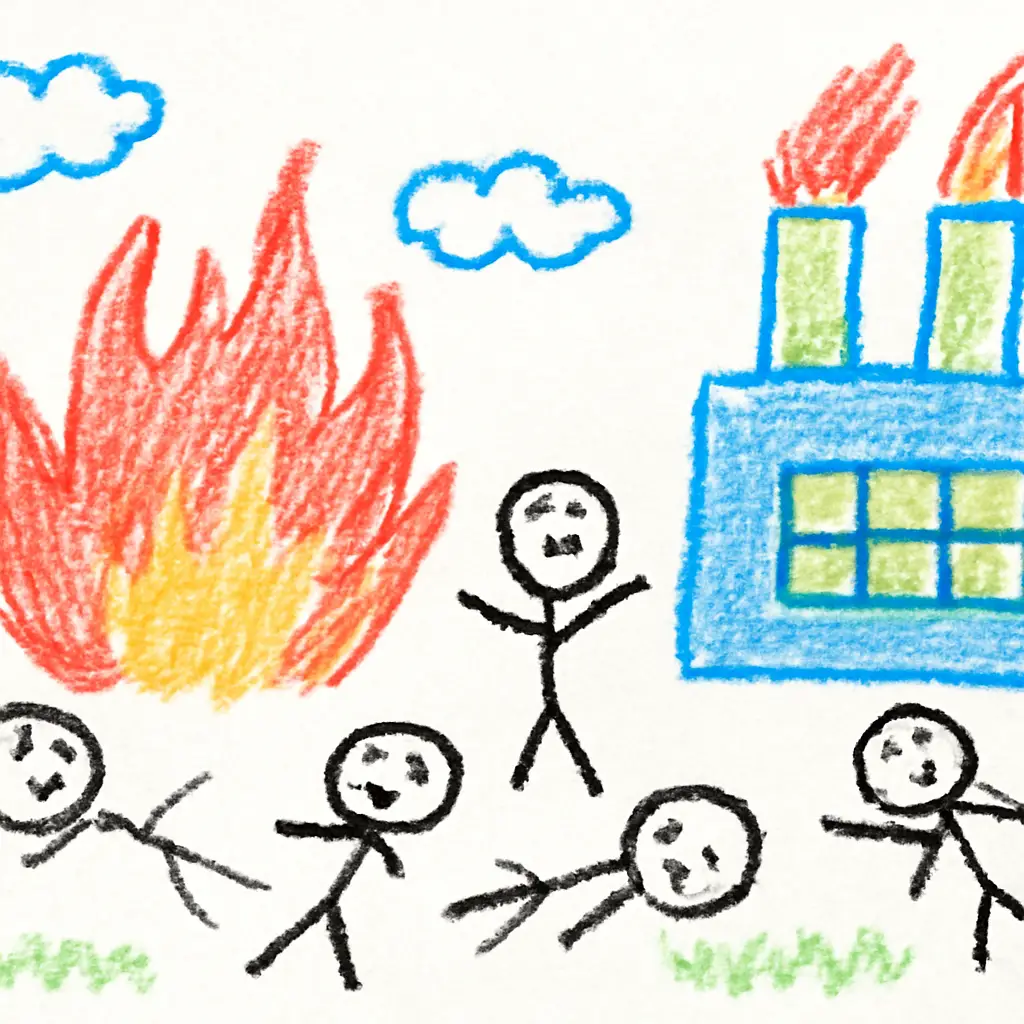
Can mediation succeed in a war-torn world? | Episode 1
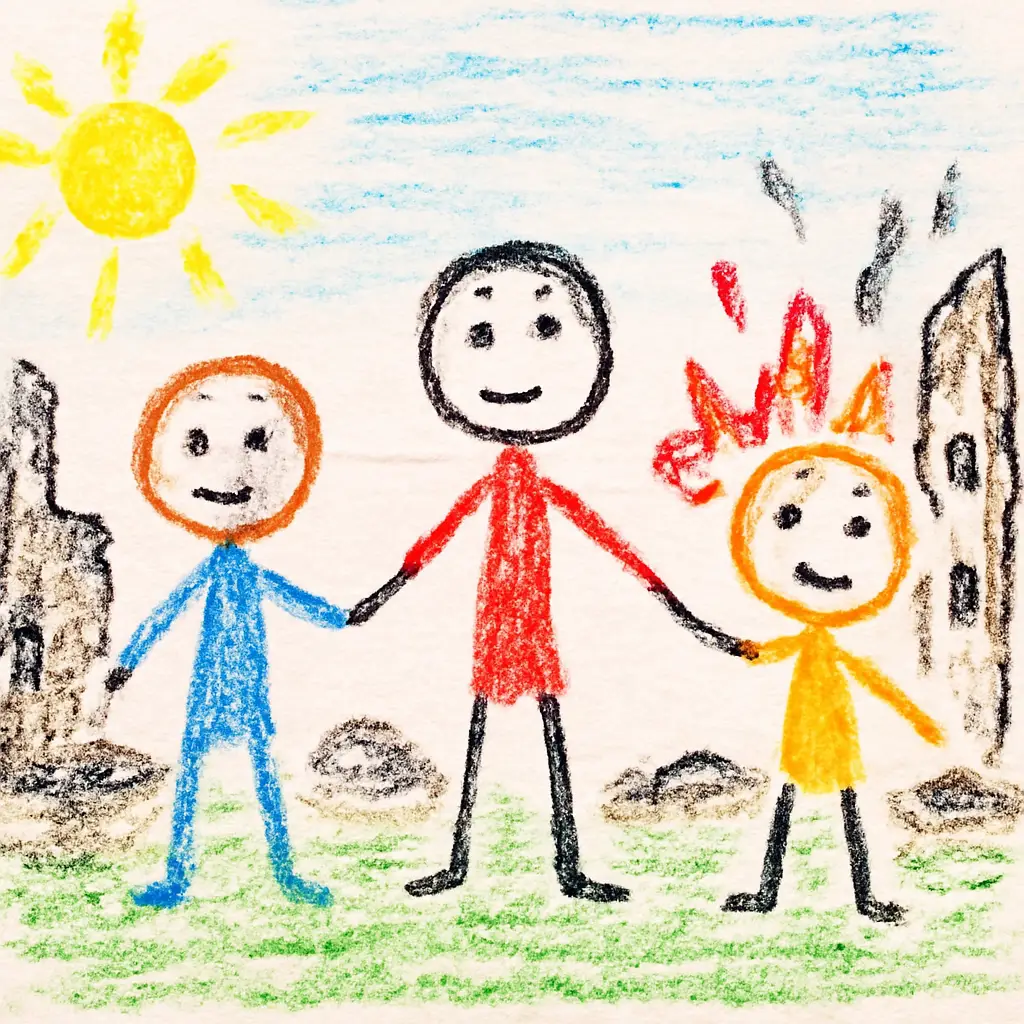
Explain Like I'm 5
Okay, imagine you and your friends are playing with toys, but then someone accidentally breaks a toy, and everyone starts arguing. It's like a big fight over who gets to play with what. Now, let's say a grown-up comes in and says, “Hey, let’s talk it out instead of fighting!” That’s mediation!
So, in the world, there are lots of countries having big fights (more than 65!), and some people are trying to help them talk it out instead of just yelling. The big takeaway is that it's really hard to get everyone to agree and stop fighting, but it's super important to try!
Explain Like I'm 10
Alright, so you know how sometimes friends get into arguments and need a teacher or a parent to help sort things out? That’s what mediation is, but on a much bigger scale. Right now, there are more than 65 different places around the world where fighting is happening—like a never-ending game of tug-of-war.
In this situation, top mediators (the grown-ups in this analogy) are trying to step in and help these countries find peace. Why now? Well, it seems like the world is a bit more chaotic lately, and these mediators are saying that peace is harder to achieve than ever before. The consequences of not resolving these conflicts can be really serious, leading to more fighting, suffering, and even affecting countries far away from the conflict.
Explain Like I'm 15
So, let's dig a little deeper into this whole mediation thing in a world filled with conflicts. Historically, mediation has been used to resolve disputes for centuries, but with over 65 armed conflicts happening right now, it feels like we're stuck in a cycle of fighting. The episode highlights how these conflicts are not just about land or resources; they often involve deep-seated issues like ethnic tensions, political power struggles, and historical grievances.
The mediators—think of them as the diplomats or peace negotiators—face enormous challenges. They have to understand the perspectives of all parties involved, which can be as tricky as trying to solve a Rubik's Cube blindfolded. Even if they manage to get everyone in the same room, there’s no guarantee they can reach an agreement. The stakes are high because unresolved conflicts can lead to humanitarian crises, economic instability, and even influence global politics.
Looking ahead, experts think that for mediation to succeed, we might need more innovative approaches, like involving local communities or using technology. The future of peace talks could rely on skills that go beyond just traditional diplomacy. In essence, the quest for peace in our "war-torn world" is ongoing and complex, but the effort to mediate remains crucial for a more stable future.
Want to read the original story?
View Original Source