Can you pronounce your constituency?
Explain Like I'm 5
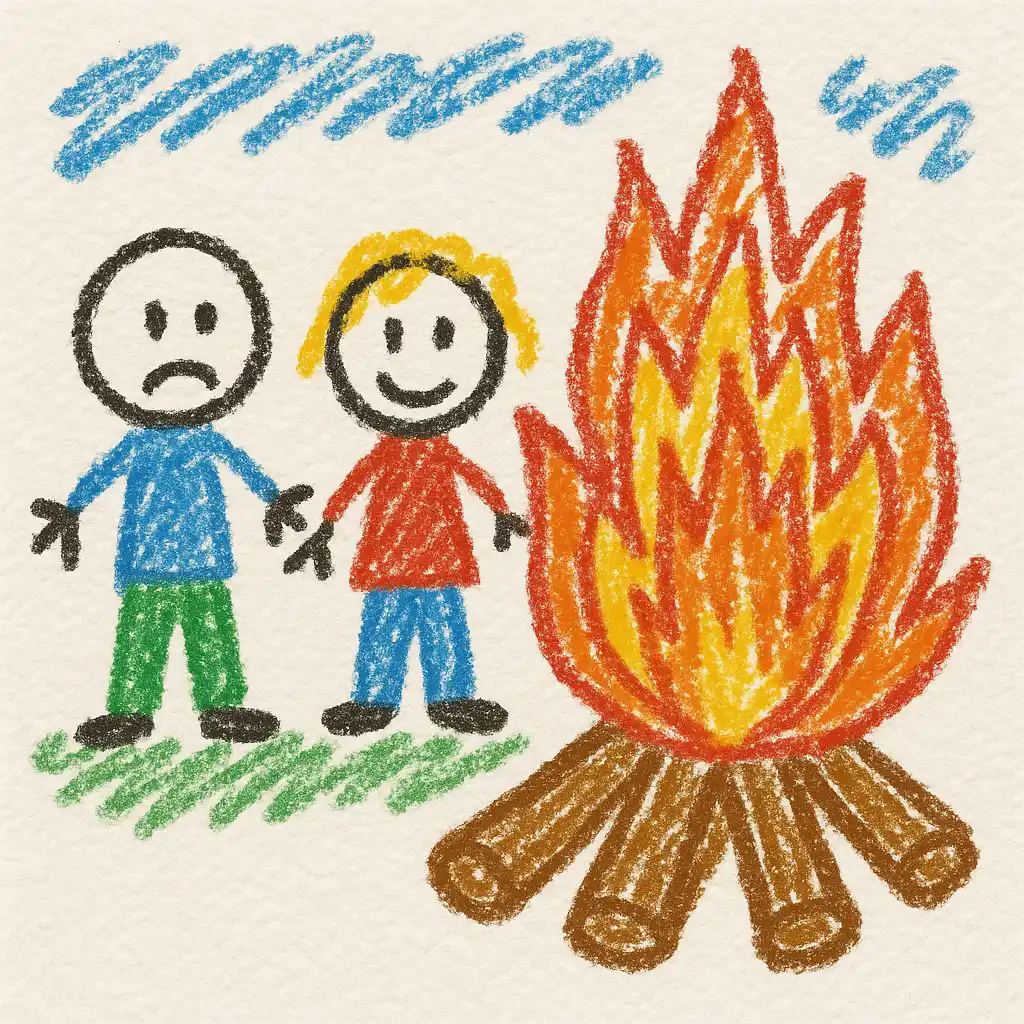
Imagine you have a big box of crayons with names on them, but all the names are in a secret code that you don’t understand. It would be tough to tell your friends which colors you’re using, right? In Wales, all the places where people vote have names in Welsh, a language that not everyone speaks fluently. This story is about asking people if they can say these Welsh names correctly. It’s like asking if you can read and say all the tricky crayon names in the secret code!
Explain Like I'm 10
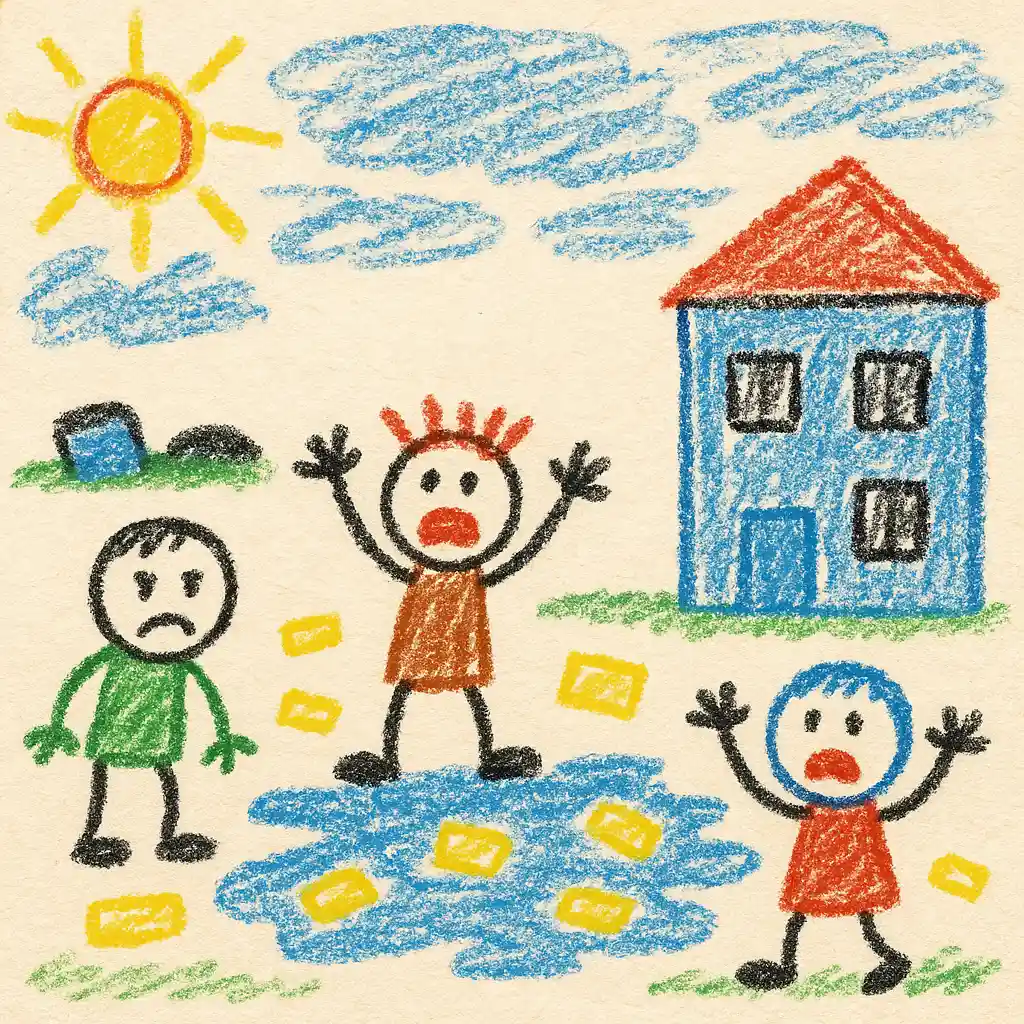
In Wales, where people go to vote, each voting area has a special name in Welsh. Welsh is a language spoken in Wales, but not everyone there knows it well. This story is about a challenge people have during elections: saying the names of these places correctly. It’s like having a spelling bee, but instead of spelling, you have to pronounce words correctly! This can be important because knowing how to say these names helps people feel more connected to their community and more involved in making decisions about how things are run. So, this news piece is kind of like checking if people know the names of their own neighborhoods!
Explain Like I'm 15
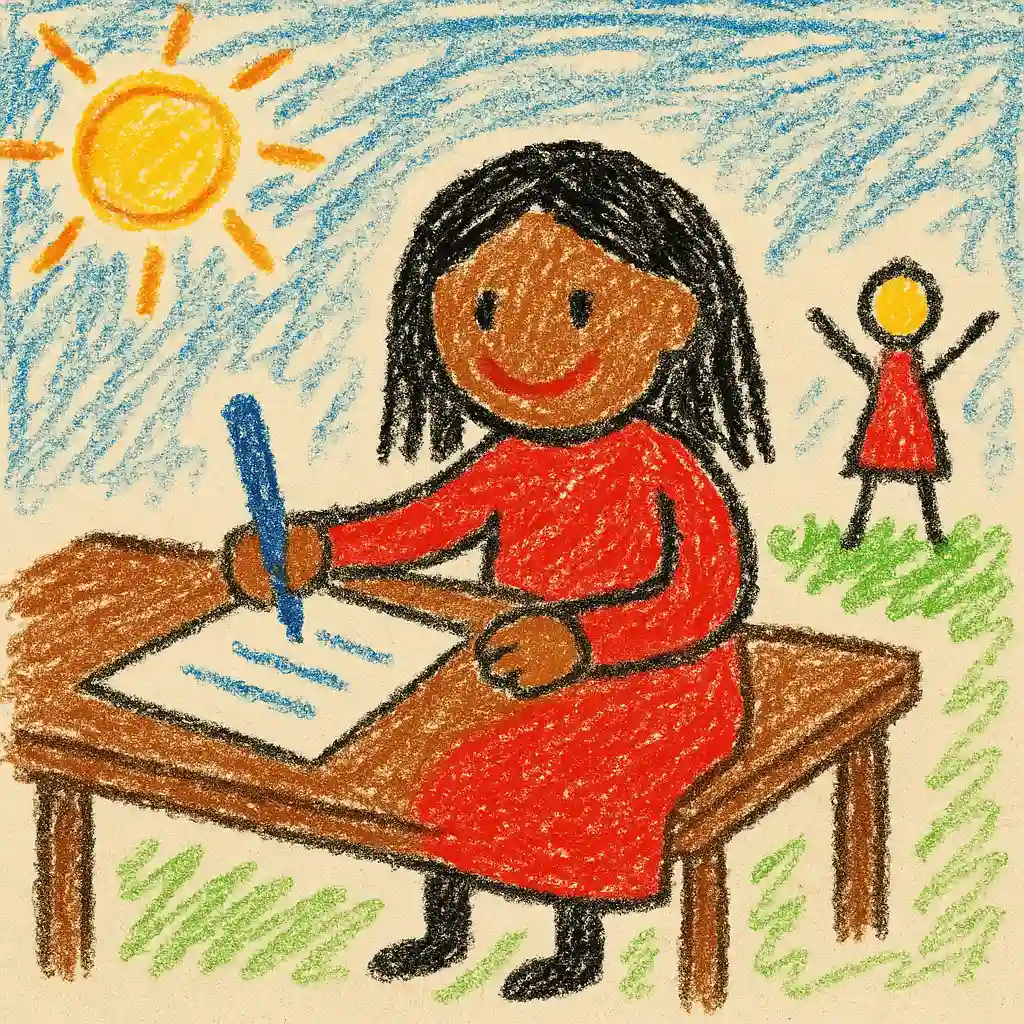
In the Senedd elections in Wales, each constituency (that's like a district or area that elects a representative) has a name in the Welsh language. Despite Welsh being one of the official languages of Wales, not everyone is fluent in it, which raises interesting questions about identity and participation in the democratic process. This news story highlights a less-discussed aspect of elections: the ability of voters to pronounce the names of their own constituencies. It touches on issues of language preservation and cultural identity, which are significant in regions with languages that are less widely spoken. Additionally, it subtly points to the broader implications of linguistic inclusivity in political processes. This could affect voter engagement and the overall inclusivity of elections. The story, while seemingly simple, opens a window into the complexities of maintaining a bilingual nation in the modern world where one language often dominates cultural and political arenas.
Want to read the original story?
View Original Source