Child homelessness increases chance of being NEET, study says
Explain Like I'm 5
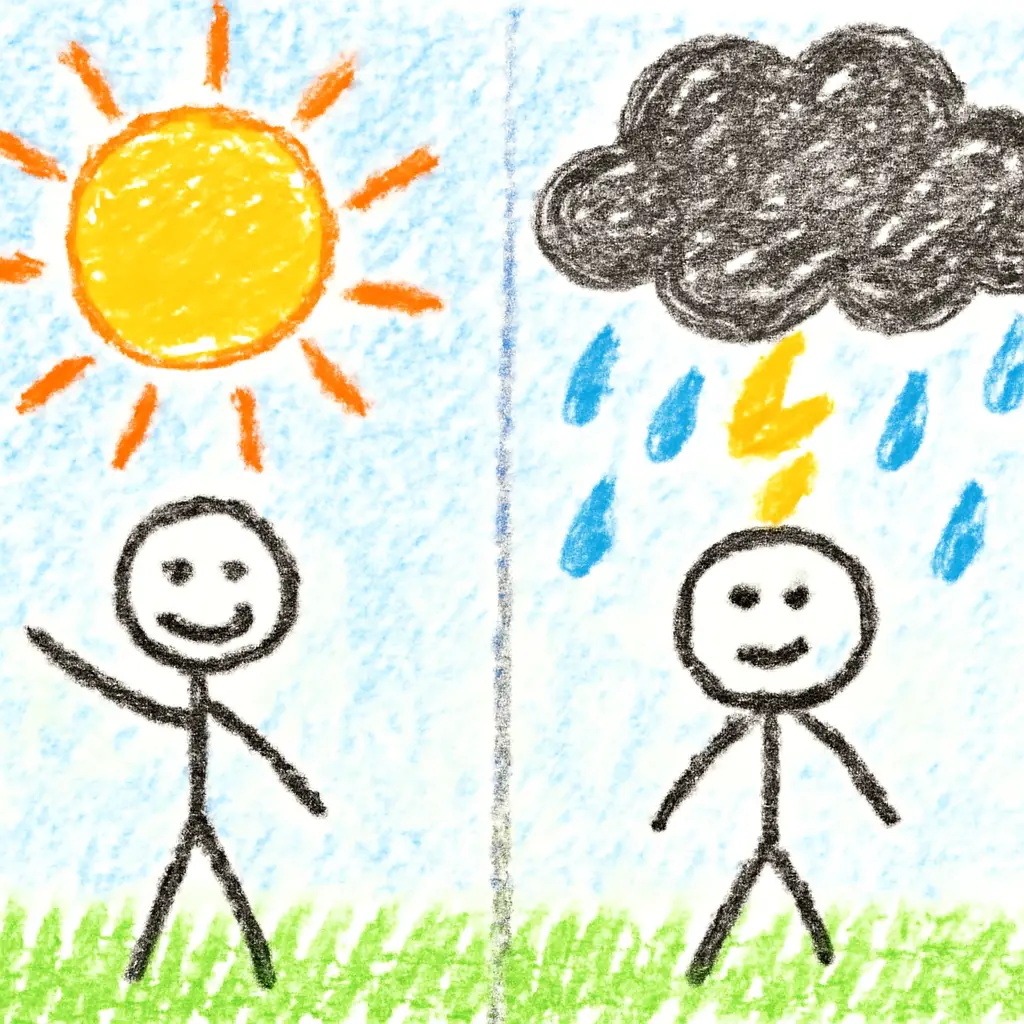
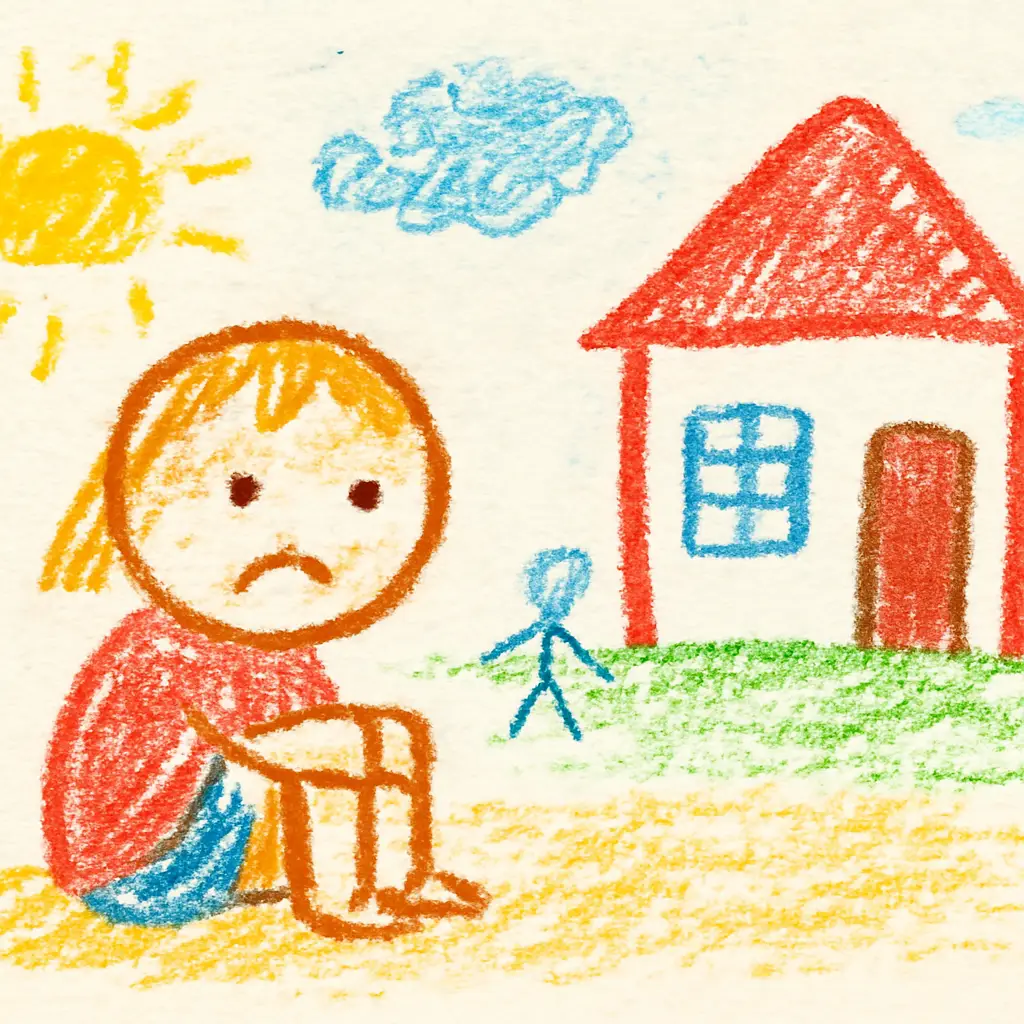
Okay, imagine you have a toy box, and every time you play with your toys, you keep them nice and organized. But what if one day, you lost your toy box and all your toys were scattered everywhere? You might feel sad and confused, and it would be hard to play like you used to.
Now, think of kids who don't have a home as being in that situation. A new study says that kids who are homeless are more likely to not be in school or working when they grow up, kind of like how a lost toy can't be played with. So, when kids don’t have a stable home, it can make it harder for them to grow up and succeed.
Explain Like I'm 10
So, there’s this study that looked at kids who were homeless when they were small, especially those born around the year 2000. The researchers found that these kids are twice as likely to be NEET when they grow up. NEET stands for "Not in Education, Employment, or Training," which sounds like a fancy way of saying they aren’t in school or working.
Why is this important? Well, having a stable home is like having a solid foundation for a house. If the foundation is shaky, it can mess up everything else. When kids experience homelessness, it can affect their education and job opportunities later in life. The study is highlighting that we need to pay attention to these kids and help them out so they have better chances in the future.
Explain Like I'm 15
This study sheds light on a serious issue: the long-term impact of childhood homelessness. Researchers focused on kids born around the turn of the millennium and found that those who experienced homelessness are twice as likely to be NEET as their peers. This is concerning because it suggests a pattern of disadvantage that can follow them into adulthood.
Historically, homelessness among children has been linked to a myriad of challenges, including instability in education, mental health issues, and lack of access to resources. When kids don’t have a stable home environment, they often struggle to focus on school or develop the skills needed for employment. This study underscores the importance of addressing homelessness not just as a present crisis but as a long-term societal issue that has rippling effects on future generations.
Looking ahead, experts suggest that intervening with support systems—like housing assistance, education programs, and mental health services—could help break this cycle. If we invest in these kids now, we may reduce the number of NEET individuals in the future, which is better for everyone. The challenge is ensuring that policies and resources are in place to support these vulnerable populations effectively.
Want to read the original story?
View Original Source