Children facing mental health 'crisis' as referrals reach over one million
Explain Like I'm 5
Imagine you have a toy box, and it’s usually big enough to hold all your toys. But suddenly, you get lots more toys, and they don’t all fit anymore — some toys start spilling out! Now, think of doctors who help kids feel better when they’re sad or worried as a kind of toy box. Normally, they can help all the kids who need it, but right now, there are so many kids feeling sad or worried that the doctors are having a hard time helping everyone quickly. In England, over a million kids needed help last year, and that's like a lot of toys spilling out because it's more than usual. It shows us that there are a lot of kids who need a little extra help to feel happy and safe.
Explain Like I'm 10
So, you know how sometimes kids can feel really sad or scared, and they need someone to talk to? Well, in England, there are a lot of kids feeling that way — over a million! That’s like if every kid in a big city needed help all at once. So, they go to special doctors who are trained to help with feelings and thoughts. But because there are so many kids who need help, it’s hard for these doctors to give everyone the attention they need quickly.
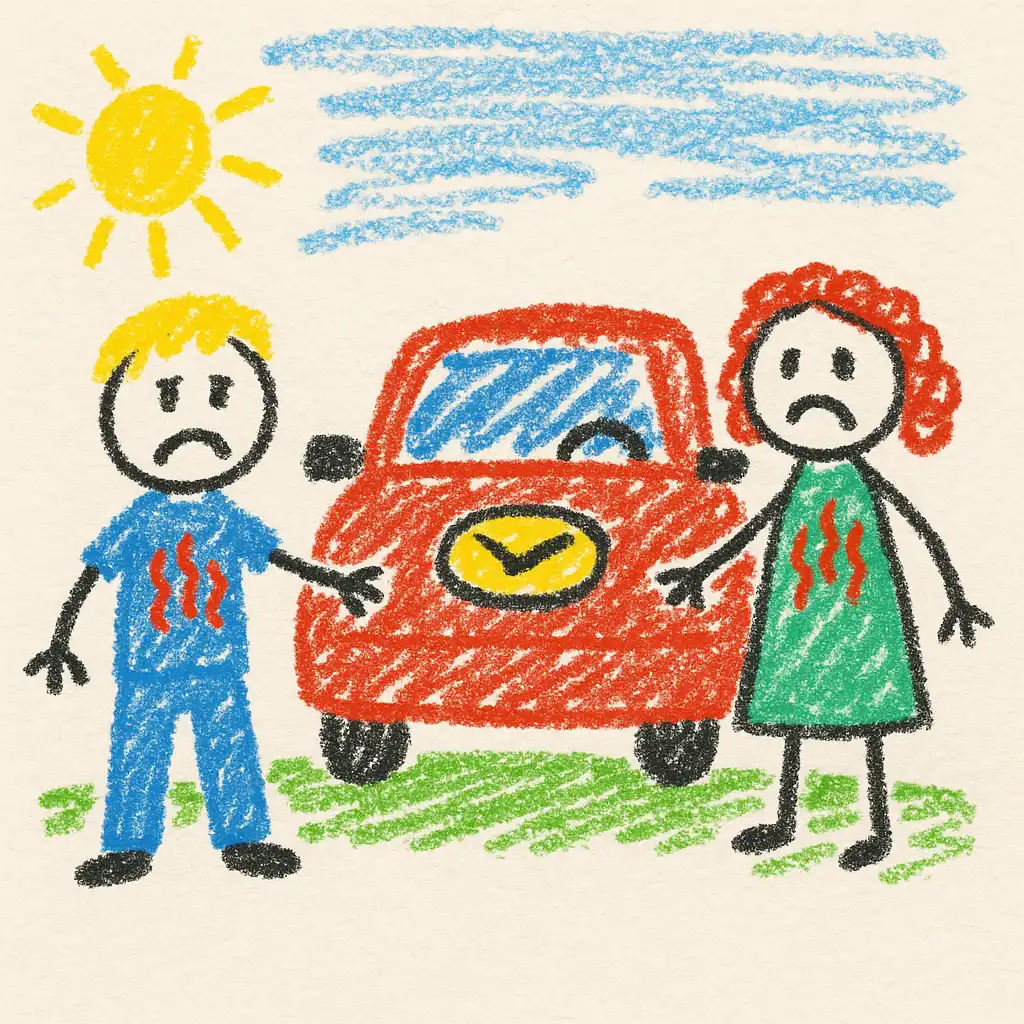
This is happening now more than ever because being a kid today can be pretty tough. There’s a lot of pressure from school, sometimes things at home can be hard, and even stuff in the news can make kids worry more than they used to. When so many kids need help, we call it a “crisis” because it’s a big problem that needs lots of attention and extra help to fix.
Explain Like I'm 15
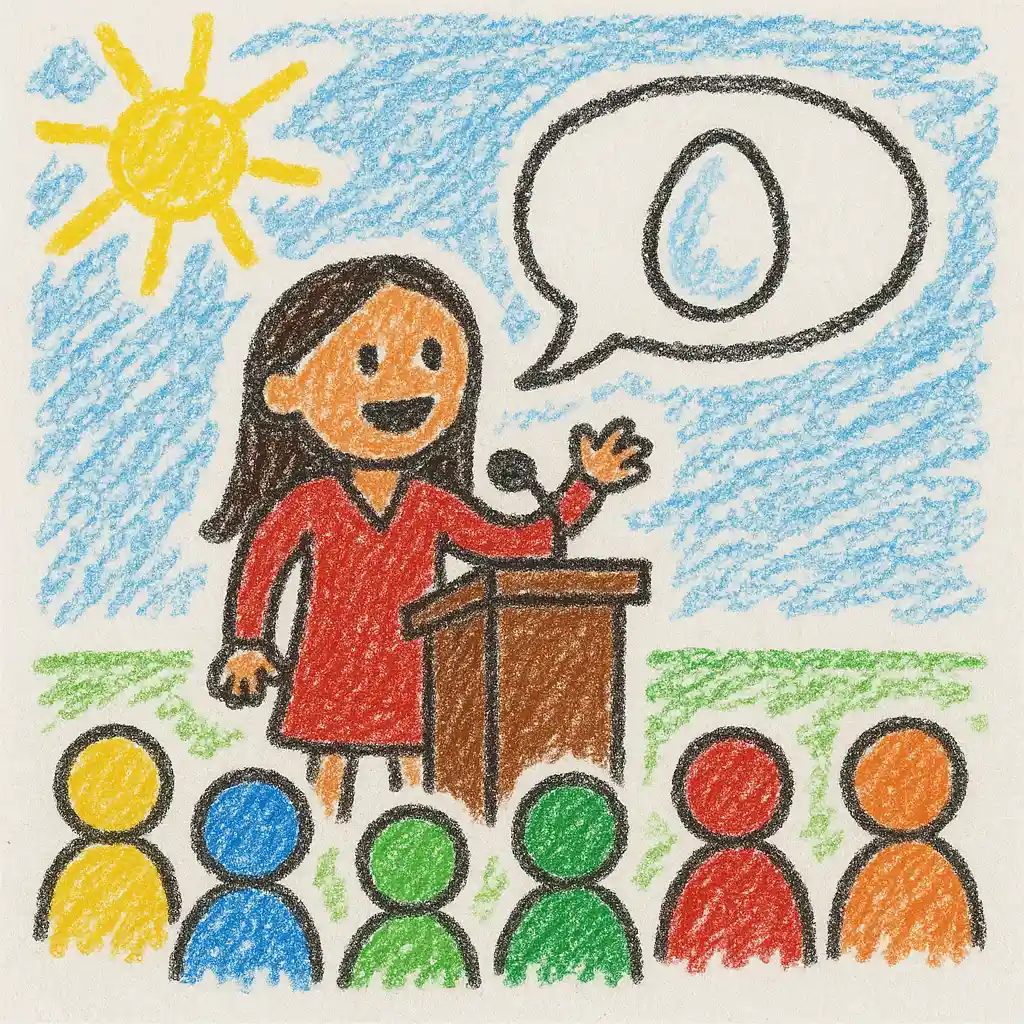
Right now, England is facing a significant mental health challenge among young people. Over a million children and teenagers have been referred to mental health services. This is unprecedented, and it's straining the capacity of the National Health Service (NHS) to provide timely and effective care. The rise in numbers isn't just random; it reflects deeper issues.
Many factors contribute to this surge. Modern life brings unique stresses, including intense academic pressures, social media influences, family dynamics, and broader societal issues. These factors can affect mental health, leading to anxiety, depression, and other disorders in young people. The pandemic also played a role, exacerbating isolation and stress and disrupting the routine and support systems that many kids rely on.
This crisis isn’t just a health issue; it’s social and economic too. Poor mental health in childhood can lead to long-term consequences, affecting educational outcomes, career prospects, and even physical health. The response to this crisis will need to be comprehensive, involving not just healthcare reform but also addressing educational policies, social services, and community support systems.
The experts are calling for urgent action to expand and improve mental health services, aiming for early intervention and prevention. This means not just more resources but smarter, more effective ways to support young people’s mental health, ideally catching problems before they escalate.
Want to read the original story?
View Original Source