Council leader ousted over election delay row

Explain Like I'm 5
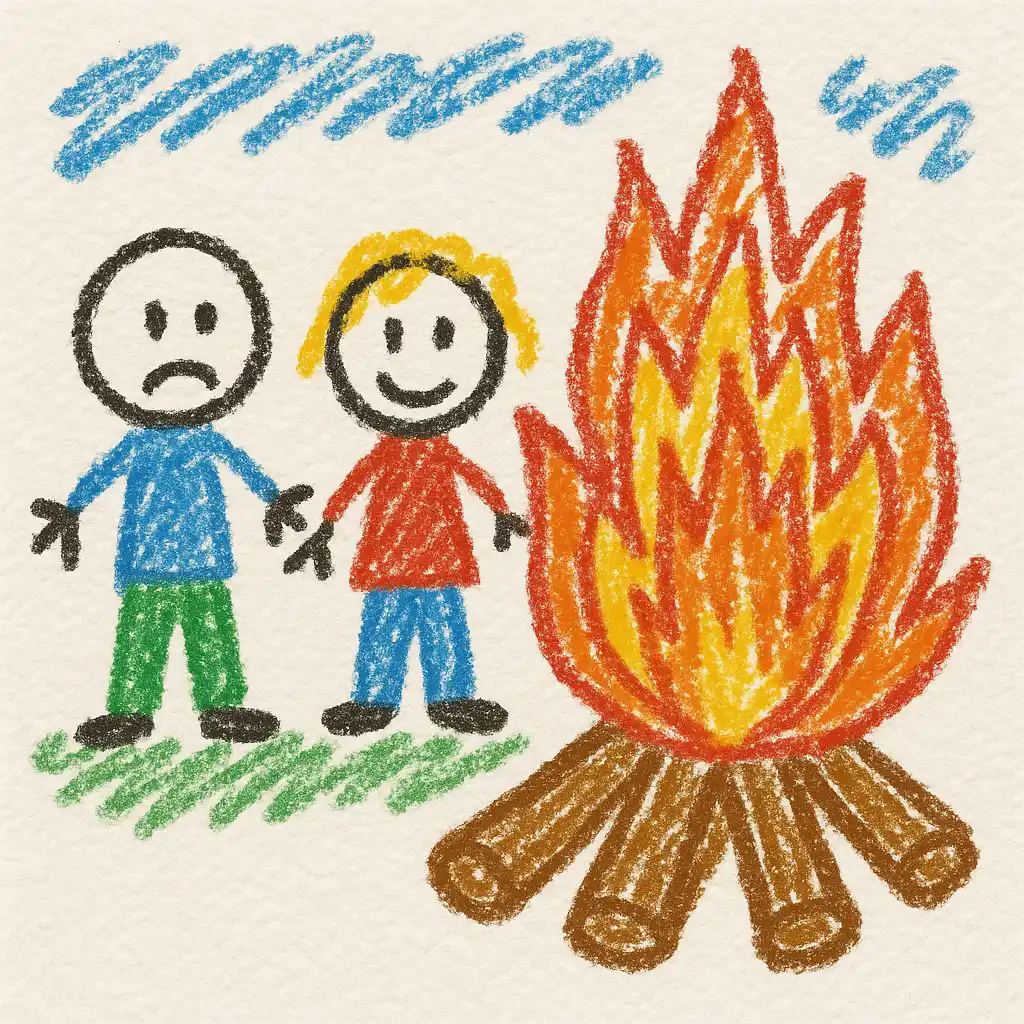
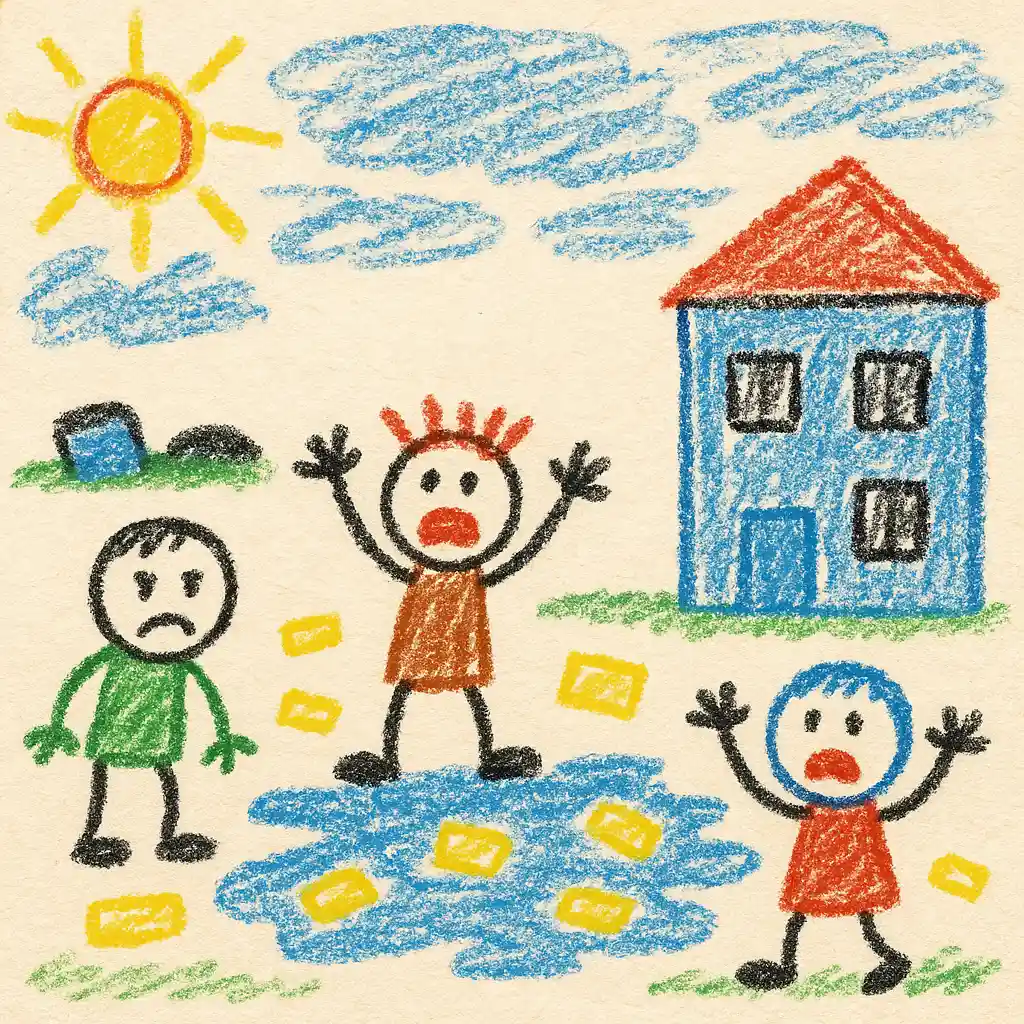
Imagine you're playing a game where everyone gets a turn to be the leader, and it's decided by a vote. Now, think of a kid who's currently the leader and doesn't want to give others a chance to lead, so they try to delay the next vote. All the other kids get upset because it's not fair, and they decide together that this kid can't be the leader anymore because they tried to change the rules to their benefit. That's kind of what happened in a place called Nuneaton and Bedworth. The leader of their council tried to delay their election, which made a lot of people unhappy, and so they voted to say, "Sorry, you can't be our leader anymore."
Explain Like I'm 10
In Nuneaton and Bedworth, there's a council that helps run the town, kind of like a team that decides on rules and what to build or fix. The leader of this council, who helps make big decisions, wanted to delay the upcoming elections where people vote to decide who will be on this council. This leader thought it was a good idea to wait a bit longer before having the election, but this decision didn't sit well with a lot of people.
Many others thought this delay wasn't fair—it was like changing the rules in the middle of a game. They believed that everyone should stick to the scheduled time to vote to keep things fair and smooth. Because of this disagreement, the council had a special vote called a "vote of no confidence," which is used to see if the people in charge still trust the leader. Well, the leader lost this vote, meaning enough people didn't trust them anymore to keep them as the leader. So, the leader had to step down, and this teaches us that in positions of power, decisions should always be fair and by the rules, or there can be big consequences.
Explain Like I'm 15
In the town of Nuneaton and Bedworth, there's been a significant shake-up in local politics. The council leader, who is essentially the head of the local government, called for a delay in the scheduled elections. Elections are a fundamental part of democratic processes, allowing citizens to choose their representatives. The leader’s call to postpone the elections stirred controversy and was perceived by many as an attempt to cling to power or manipulate the democratic timeline for personal or political advantage.
This led to a significant backlash, culminating in a "vote of no confidence." This is a formal process where council members vote whether they still trust the leader's ability to govern effectively. Losing this vote means the leader isn’t supported by the majority anymore and has to resign. The council leader lost this vote, indicating a strong disagreement among the council members about the decision to delay the elections.
This event highlights the delicate balance of power in politics, the importance of adhering to scheduled democratic processes, and the consequences of attempting to alter them. It serves as a reminder of the accountability mechanisms in place within political systems that ensure leaders can be held responsible by their peers and the public. Looking ahead, this situation could lead to more scrutiny of election processes in Nuneaton and Bedworth, possibly influencing how future electoral timelines are managed and how leaders' decisions are viewed by the public and their colleagues.
Want to read the original story?
View Original Source