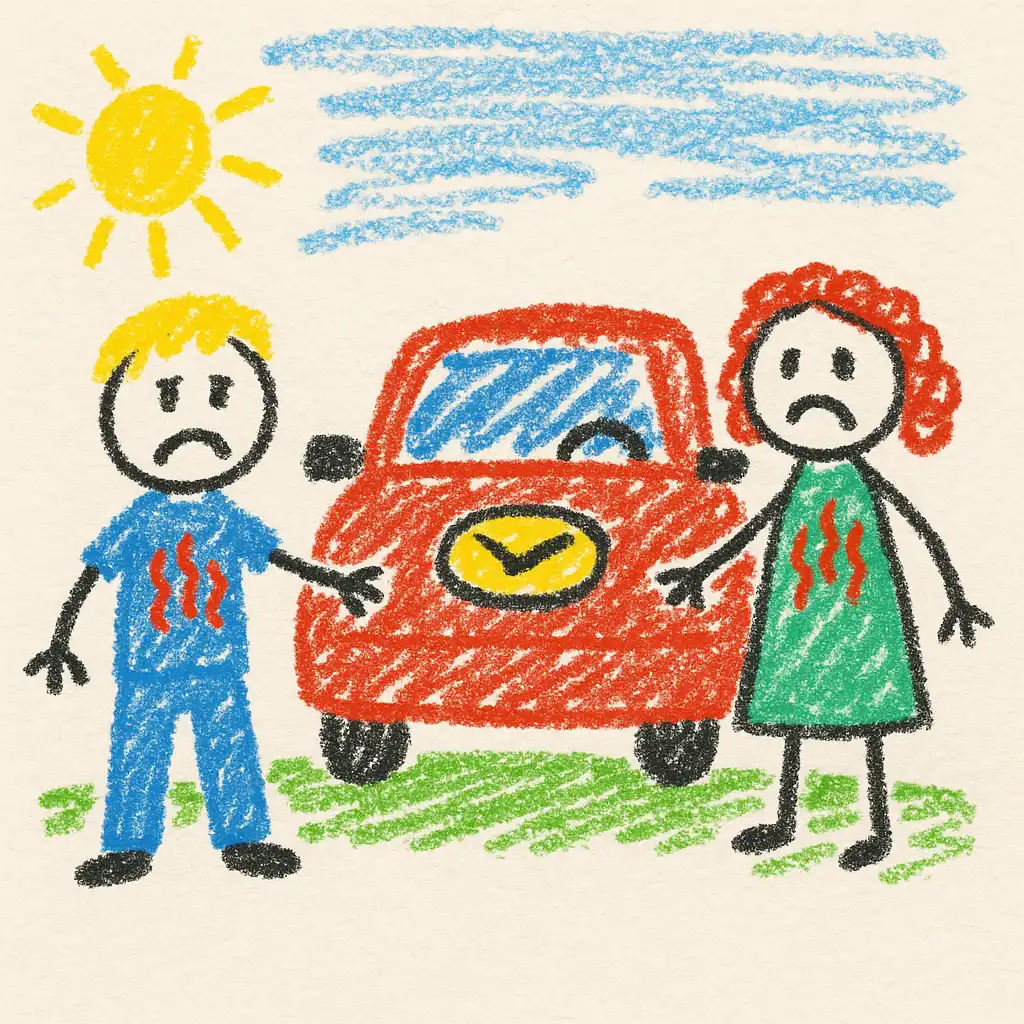
Deadly suicide bombing targeting anti-militant rally in Pakistan
Explain Like I'm 5
Imagine you're at a big birthday party with your friends, and everyone is having a great time. Suddenly, someone throws a pie that makes a huge mess and hurts people. That's kind of what happened at a gathering in Pakistan where people were protesting against bad guys who want to fight and cause trouble. Someone set off a big explosion, and sadly, a lot of people got hurt or lost their lives. The big takeaway is that this was a really sad and scary moment for everyone there.
Explain Like I'm 10
So, there was this protest in Pakistan where a lot of people were gathering to say "no" to bad guys called militants who want to cause violence and chaos. They were trying to stand up for peace and safety. But during the rally, a person snuck in and set off a bomb, which is like a really dangerous firework that goes boom! This tragic event killed at least 14 people and hurt many others.
The reason this is happening now is that Pakistan has been dealing with these militants for a long time, and there are many people who want to fight back against them. The protest was an effort to unite people against the violence. The immediate consequence is that it not only hurts the people there but also makes everyone in the country feel scared and sad about what happened.
Explain Like I'm 15
This tragic event occurred during a protest in northwestern Pakistan, where citizens gathered to express their opposition to militant groups that have been causing unrest in the region for years. The bombing, which resulted in at least 14 deaths, highlights the ongoing struggle between the government and various militant factions. These groups often target peaceful gatherings to instill fear and disrupt efforts toward stability and peace.
Historically, Pakistan has faced waves of violence from different militant organizations, especially in regions like Khyber Pakhtunkhwa where this bombing took place. The rise of such groups often correlates with political instability and weak governance, leading to a cycle of violence that is tough to break. The protest itself was a significant movement aimed at advocating for security and unity among the people against these threats.
The broader implications of this attack are significant. Economically, violence can deter investment and tourism, leading to a cycle of poverty and instability. Socially, such events can deepen divides within communities, as people may react with fear or anger, pushing them further apart from one another. Politically, the government may face pressure to take stronger action against militants, which could lead to increased military operations or crackdowns that might affect civil rights.
Experts believe that unless the root causes of militancy—like poverty, lack of education, and political disenfranchisement—are addressed, these tragic events will continue. In the aftermath of this bombing, there will likely be calls for enhanced security measures, but the challenge remains: how do you keep people safe without infringing on their rights to protest and express their views? This delicate balance is something that Pakistan, like many countries facing similar issues, will have to navigate moving forward.
Want to read the original story?
View Original Source