Death toll rises in wake of winter storm across U.S.
Explain Like I'm 5
Imagine you have a big, fluffy snow globe, and sometimes, when you shake it really hard, the snow swirls all around making it hard to see the little figures inside. Now, think of a winter storm like a huge shake to a giant snow globe that covers many cities and towns. This storm was so strong that it caused a lot of problems like making cars slide off roads and knocking out power, which means no lights or heating. Unfortunately, because of these problems, some people got hurt or even died. It’s like when we play too rough and someone ends up getting a boo-boo, but much more serious.
Explain Like I'm 10
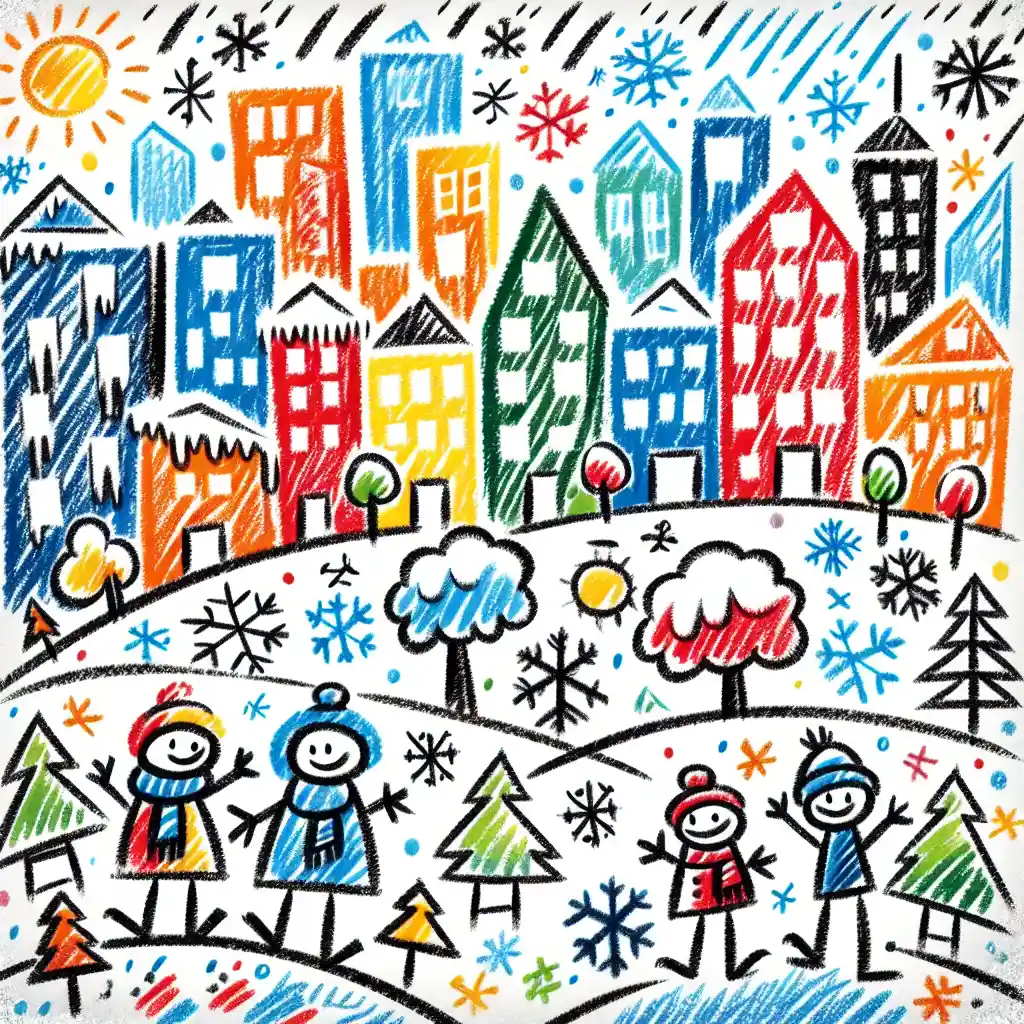
A winter storm recently swept across the United States, bringing lots of snow, ice, and very cold winds. This isn't just any snow day where schools close and you get to play outside making snowmen. This storm was so powerful it made traveling by car very dangerous. Roads were slippery, and visibility was low, which means it was hard to see far ahead because of all the snow and ice. Because of these bad conditions, there have been accidents and some people even died.
Additionally, when storms like this hit, they can knock out electricity. Imagine your house without heat when it’s freezing outside. That can be really dangerous, especially for older people or anyone who can’t easily keep warm. This storm affected a lot of places and people, making it a serious situation that helpers like police and emergency crews are trying to manage.
Explain Like I'm 15
The recent winter storm in the U.S. was severe enough to increase the death toll as it moved across the country. This wasn’t just a flurry of snowflakes; it was a major meteorological event involving heavy snowfall, ice, and bitterly cold temperatures. In such conditions, visibility drops, and roads become ice rinks, leading to higher risks of vehicle accidents. Many of these fatalities occurred in traffic incidents where drivers lost control on slippery roads.
The storm also caused power outages by snapping power lines and freezing components of the power grid. Without electricity, heating systems fail, which is particularly dangerous during extreme cold. Vulnerable populations, like the elderly or those without access to emergency resources, face significant risks in these conditions.
This incident isn't just a standalone event; it's part of a pattern of severe weather incidents that are becoming more frequent and intense, possibly due to climate change. Each event like this teaches emergency services and communities new lessons on preparedness and response. Looking ahead, experts emphasize the importance of improving infrastructure to withstand such extreme conditions and better emergency response strategies to reduce fatalities and injuries.
Want to read the original story?
View Original Source