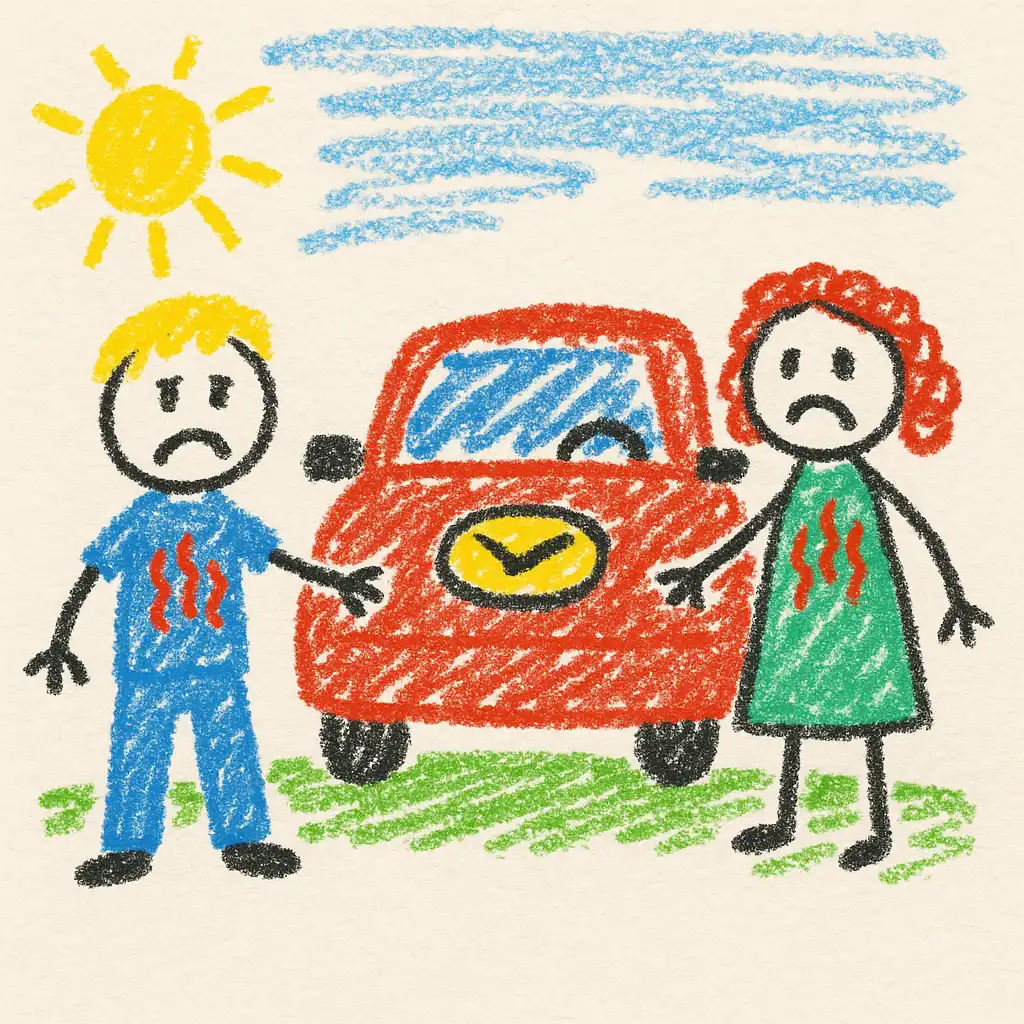
Depression fears drove Orie's retirement decision
Explain Like I'm 5
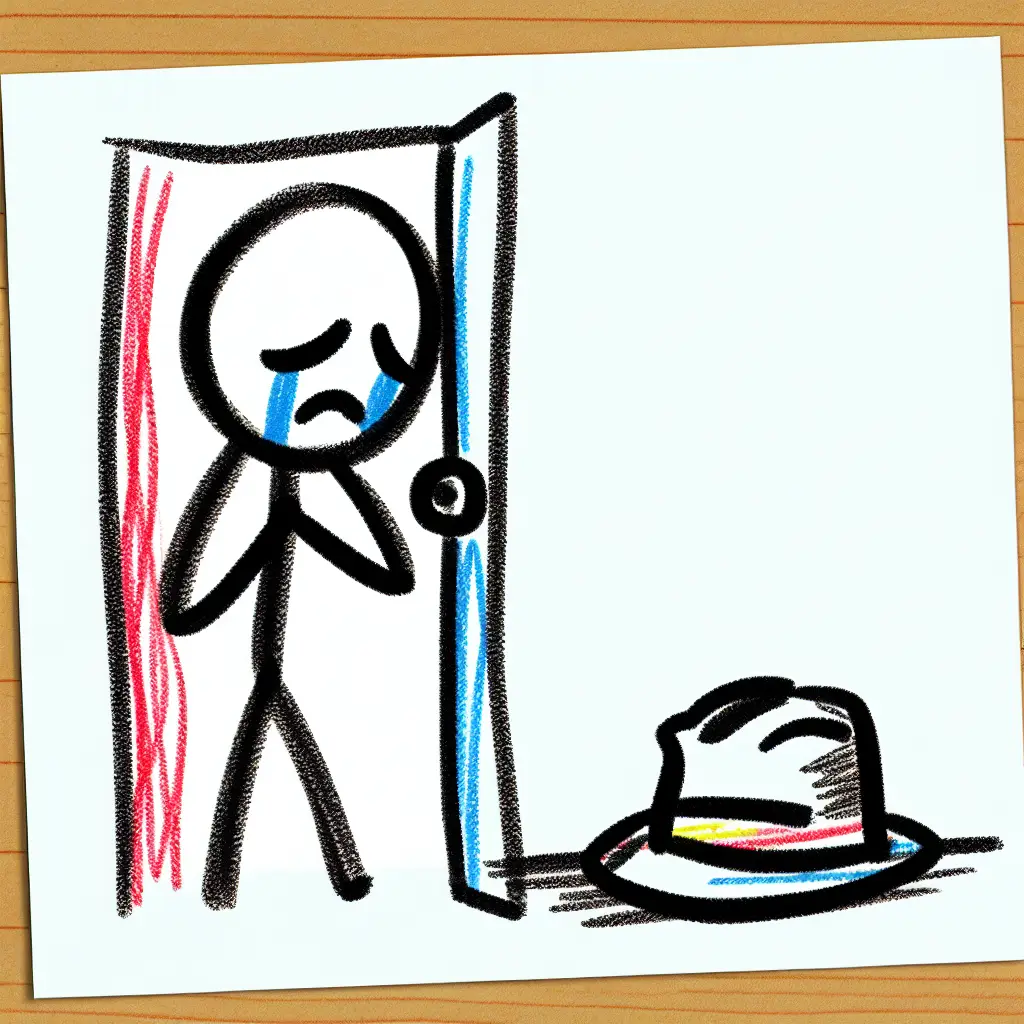
Imagine your favorite superhero decides to stop saving the city because they need to take care of their own boo-boos and feelings first. That’s a bit like what happened with Delicious Orie, a boxer (like a real-life superhero in the ring). He chose to stop boxing because he was worried about his mind feeling really sad, like having a long-lasting boo-boo inside his head. He wants to feel better and also help other kids learn that taking care of your mind is as important as taking care of your body.
Explain Like I'm 10
Delicious Orie, a well-known boxer, made a surprising decision to retire from boxing. He did this because he was afraid that if he continued fighting, his mental health, which is like how happy and healthy your mind feels, might get worse. He was worried about becoming really sad, which is something called depression. It's like when you feel so sad that you can't enjoy things you normally like, and it doesn't go away easily.
Delicious wants to show other people, especially kids, that it's okay to stop and take care of your mental health before it gets really bad. He thinks being strong isn’t just about muscles and winning matches; it’s also about knowing when to say, "I need a break," to stay healthy and happy.
Explain Like I'm 15
Delicious Orie, a promising boxer, recently decided to retire, and it was quite the headline-maker. He wasn't retiring because of a physical injury, which is common in sports, but because he was concerned about his mental health deteriorating if he continued the sport. Depression, the term for the intense and persistent sadness he feared, can be debilitating, and it’s often stigmatized, especially in sports where toughness is glorified.
Orie’s decision is significant not just for him personally but also culturally. It challenges the often toxic masculinity pervasive in sports that equates mental health struggles with weakness. By choosing his mental well-being over his career, he sets a precedent and perhaps even begins to shift how athletes view mental health.
His choice also comes at a time when mental health in sports is becoming a bigger conversation, with other athletes like Simone Biles and Naomi Osaka also prioritizing their psychological well-being. These moves could influence younger athletes to consider their mental health as part of their overall fitness.
Looking ahead, Orie wants to be a role model for younger generations, showing them that it’s crucial to address and manage mental health proactively. This could encourage more open discussions about mental health in sports, potentially leading to better support systems for athletes in the future.
Want to read the original story?
View Original Source