Disruption expected as six-day doctors' strike begins
Explain Like I'm 5
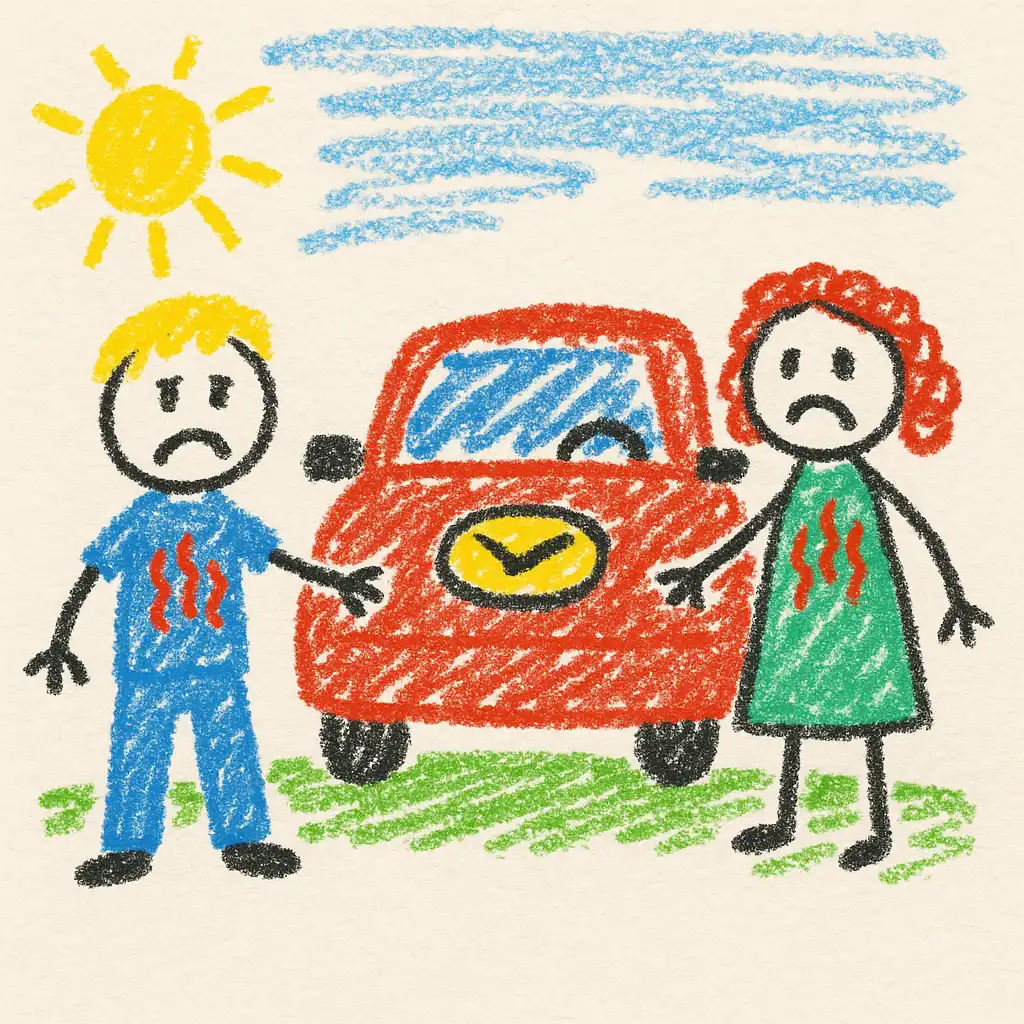
Imagine you have a big toy train set that lots of people rely on to get around your giant playroom. Now, imagine some of the train drivers decide they need to stop driving the trains for a few days to show they need better snacks and breaks. While they're not driving, the train set doesn't work as usual, and it's harder for everyone to get around and do important things. This is kind of what's happening with doctors in England right now. They've stopped working for six days because they need to talk about some important things like how much they work and their conditions. During this time, only the most necessary doctor visits (like emergencies) are happening, and everyone else is asked to be patient and wait a bit until the doctors start working again.
Explain Like I'm 10
In England, there's a big group called the NHS (National Health Service) where lots of doctors work to help people stay healthy. But right now, these doctors are not going to work for six days. They're on strike, which means they stop working to make a point or demand changes, kind of like taking a time-out in a game when the rules aren't fair. They're doing this because they want to talk about important things like how many hours they should work and how much they get paid.
Because so many doctors are not working, the NHS has told everyone to only use emergency services if it's really, really necessary, kind of like only calling firefighters in a big emergency. They also said if you have an appointment that's still on, you should definitely go. This strike is a big deal because it affects lots of people—not just the doctors but also all the patients who need check-ups or treatments.
Explain Like I'm 15
In England, the National Health Service (NHS) is facing a major disruption due to a six-day strike by doctors. This isn't just a random upset; it's a significant protest by medical professionals who are raising concerns about their working conditions, pay, and the overall pressures within the healthcare system. Strikes like this highlight deeper issues such as staff shortages, funding challenges, and how public health services are managed.
The impact of this strike is vast. Hospitals and clinics are running on a sort of emergency-only mode, prioritizing critical care and advising the public to avoid using medical services unless absolutely necessary. This approach is like triaging, which is a method used in medical emergencies to determine which injuries need immediate attention and which can wait.
This strike is part of a broader conversation about healthcare in England and many other countries—questions about how to ensure doctors are not overworked and underpaid, and how to maintain high standards of care for the public amidst budget cuts and increasing patient numbers. The outcome of this strike could lead to significant changes in policies or perhaps a reevaluation of healthcare funding and support. As for what happens next, it could set a precedent for future negotiations in the healthcare sector, influencing not just national policy but also public opinion on how health services should be run.
Want to read the original story?
View Original Source