Economy grew faster than expected ahead of Iran war
Explain Like I'm 5
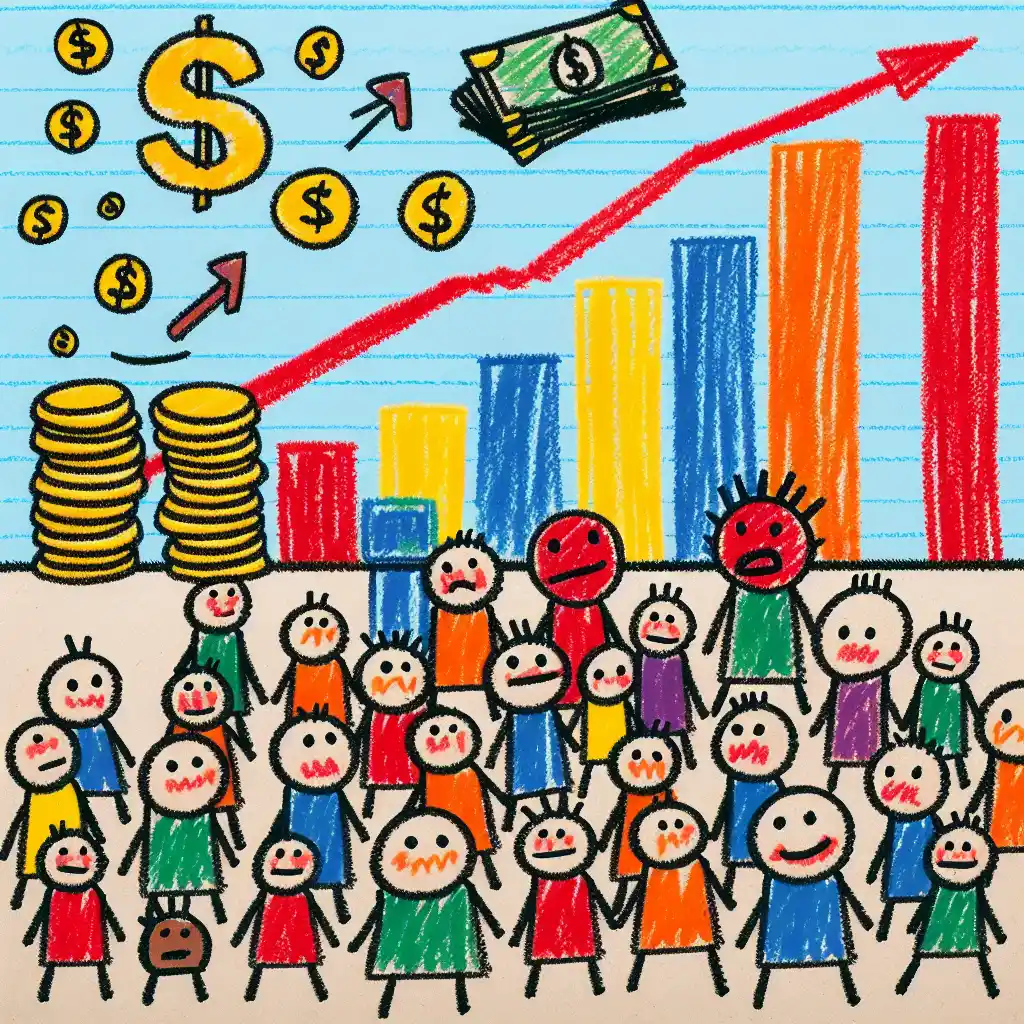
Imagine you have a piggy bank where you save coins every time you do chores. One day, you do a lot of extra chores and save a lot more coins than usual. That's like what happened with the economy; it grew a lot because it did a lot of extra "chores" and made more "money" than everyone thought it would. But then, imagine right after you filled up your piggy bank, you heard there might be a big storm coming. That storm is like the war that started between the US, Israel, and Iran. People are now worried about what that storm might do to your piggy bank.
Explain Like I'm 10
Just before a big conflict started between the US, Israel, and Iran, our economy did surprisingly well—it grew more than people had expected. It's like if you were playing a video game and suddenly scored way more points than you thought you could right before a really tough level started. The "points" here are money and jobs that help our country keep running smoothly.
People keep track of how well the economy is doing because it helps us understand how much money everyone can spend and how many jobs are available. The sudden growth was good news, but the timing was tricky because just as everything was looking up, the conflict with Iran began. Now, people are worried that this war might cause problems, like making things more expensive or harder to buy, which could make the economy struggle again.
Explain Like I'm 15
Right before the conflict between the US, Israel, and Iran kicked off, our economy experienced its largest growth spurt in over two years. This means businesses were probably booming, creating more jobs, and generally, more money was circulating. Economists measure this growth to predict how well the country can handle debts, provide public services, and overall maintain a healthy economic environment.
However, the timing of this growth is particularly significant because it came just before a major geopolitical event—the war with Iran. Such conflicts can lead to increased oil prices, disrupted trade routes, or general uncertainty that can spook investors and markets, potentially reversing the gains made.
Historically, economic stability before a conflict can help a country manage its immediate war expenses better, but prolonged conflicts often strain economies. The big question now is how the economy will respond to the ongoing pressures of the war. Will the initial strong performance provide a cushion, or will the war's demands overshadow the recent gains?
Experts are keeping an eye on several indicators like stock markets, unemployment rates, and consumer prices to predict what might happen next. Meanwhile, decisions made by policymakers in response to the war's developments will play a critical role in either safeguarding the economy's recent growth or risking a potential downturn.
Want to read the original story?
View Original Source