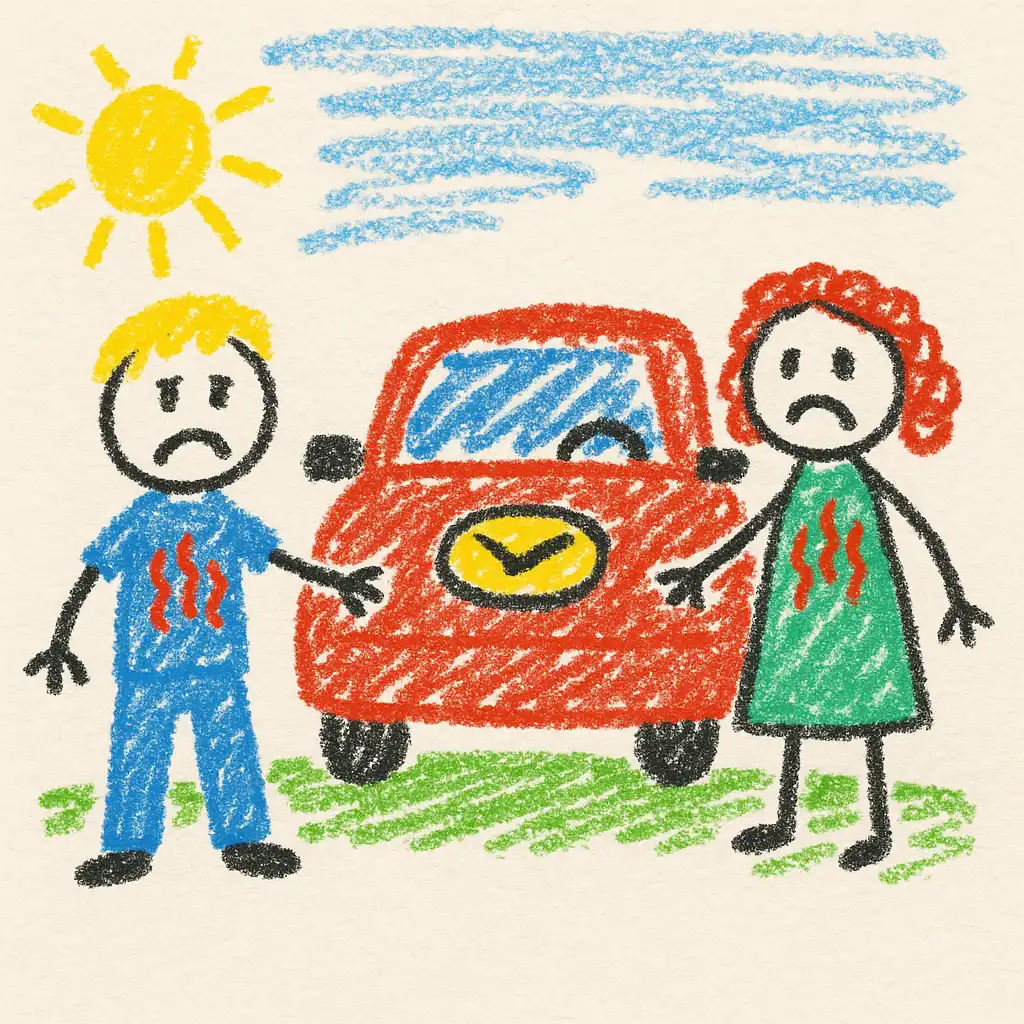
Energy price cap facing upwards pressure from US storm
Explain Like I'm 5
Imagine you have a balloon and you're filling it with air. If you keep pumping air into it, the balloon stretches and gets bigger. That’s a bit like what’s happening with energy prices right now. There was a big storm in the U.S., and it made it harder to get natural gas, which is one of the things we use to make electricity and heat homes. Because it’s harder to get, everyone wants it more, so the price goes up, just like how a balloon expands when you put more air in it. This means people might have to pay more for their electricity and heating.
Explain Like I'm 10
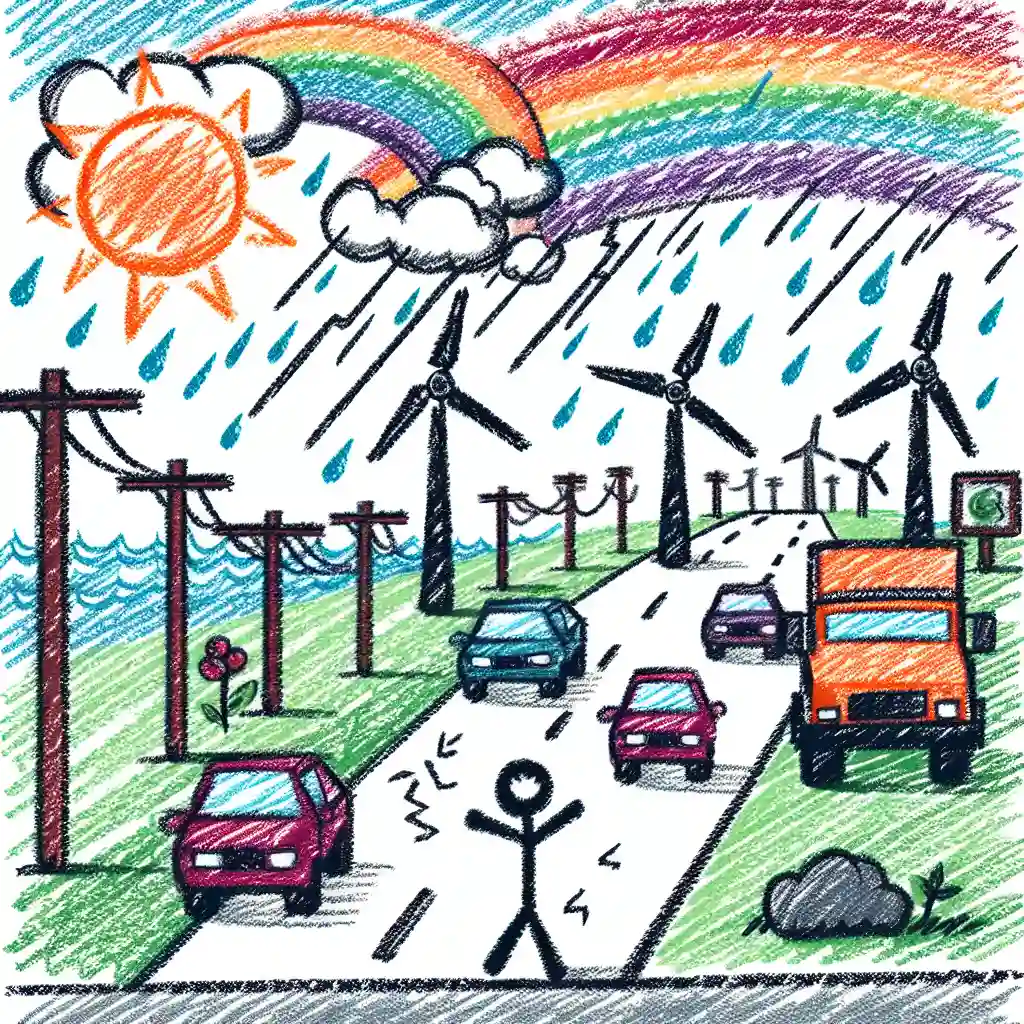
Okay, so you know how when something is harder to find, it usually becomes more expensive? That's what's happening with energy prices right now. There was a big storm in the U.S., and it messed up the places where we get natural gas. Natural gas is really important because it's used to make electricity and heat homes and buildings. Because the storm made it tough to get this gas, the price that companies pay to buy it has gone up. This higher cost can lead to higher bills for families and businesses when they use electricity or heating. There’s a limit (called a price cap) to how much the price can go up, but because of the storm, there's a lot of pressure to raise this cap.
Explain Like I'm 15
So here's the scoop: A major storm in the U.S. has disrupted the supply of natural gas, a critical component in energy production for electricity and heating. This disruption has caused the wholesale prices of natural gas to skyrocket. Wholesale prices are like the cost price for businesses before they sell it to consumers like us at retail prices.
Energy suppliers have a price cap, which is the maximum they can charge households for energy. But with the wholesale costs increasing, there's a lot of pressure to raise this cap to cope with the rising expenses. If the cap is raised, it could lead to higher energy bills for consumers. Historically, such situations can strain household budgets and have broader economic effects, like reducing how much people can spend on other things.
Experts are keeping an eye on this because it's not just about more expensive energy bills. It's about the overall economic health, especially when many are already dealing with financial pressures. What happens next could depend on how quickly the supply issues are resolved and how the market adapts to these changes.
Want to read the original story?
View Original Source