EU diplomats agree to sanction Hamas leaders and Israeli settlers
Explain Like I'm 5
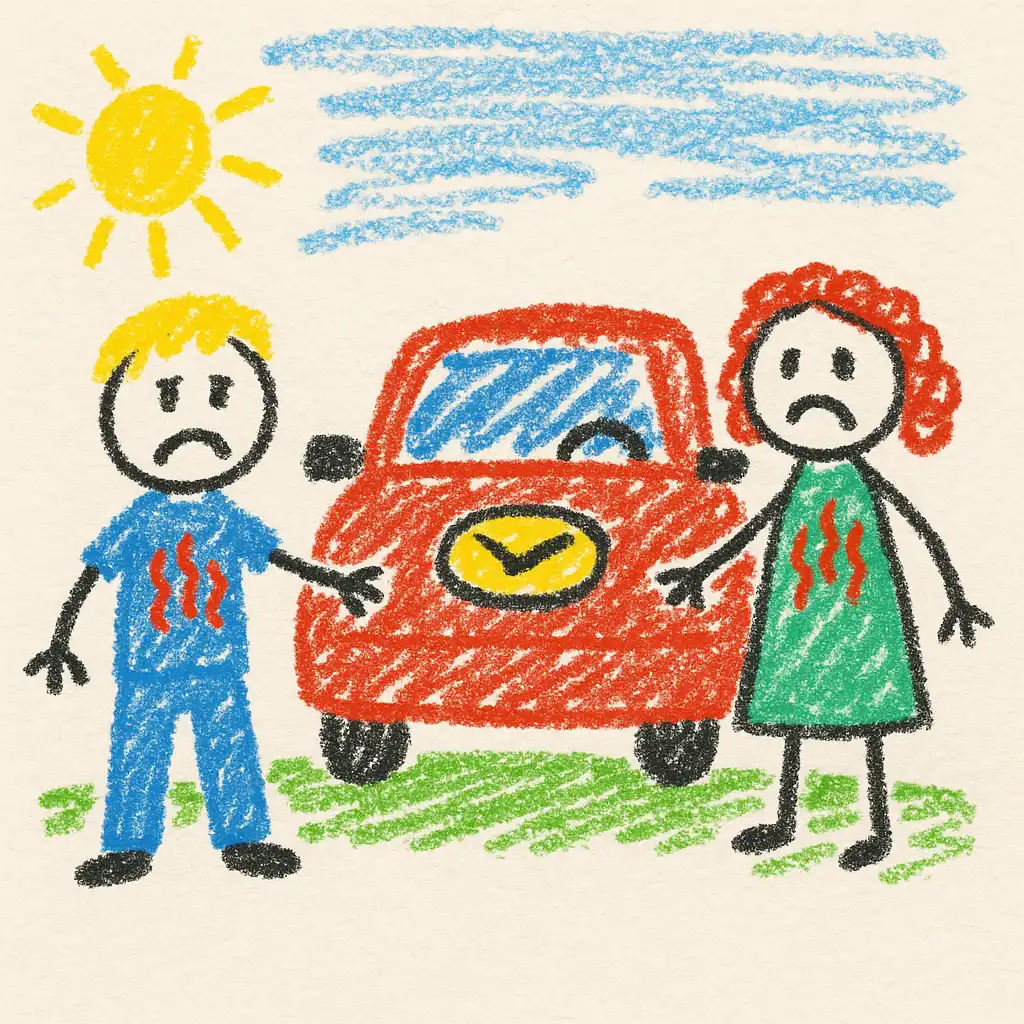
Imagine you have a box of crayons, and two of your friends start arguing and throwing crayons at each other, making a big mess. Now, your teacher steps in and says that if they don't stop, they won't get any stickers or get to play during recess. This is kind of like what's happening in a bigger, grown-up world. The European Union (which is like a big group of countries playing together) decided to be like the teacher. They saw that leaders from a group called Hamas and some people living in places called Israeli settlements were not playing nice, causing a lot of trouble. So, the EU said, "If you don't start playing nice, we're going to take away some of your toys." This is their way of trying to get everyone to calm down and stop the mess.
Explain Like I'm 10
So, in the world, there are groups of countries that try to make sure everyone gets along, kind of like how school rules help keep the peace in class. The European Union (EU) is one of these groups, and it's made up of lots of different countries in Europe. Recently, they've been really worried about fighting between a group called Hamas and some people living in Israeli settlements. Hamas is a group in a place called Gaza, and the settlements are areas where some Israelis live, which some other people and countries don't think should be there.
This fighting got really bad and caused a lot of damage and sadness. Because of this, the EU decided to step in and set some rules, hoping to stop the fighting. They're doing this by putting sanctions on the leaders of Hamas and the people in the Israeli settlements, which is like saying, "We're not going to share certain things with you (like money or business opportunities) until you behave better." They hope this will help everyone think twice about continuing to fight and encourage them to find peaceful solutions.
Explain Like I'm 15
In international politics, sometimes entities like the European Union (EU) use tools like sanctions to influence behavior and manage conflicts. The EU consists of multiple European countries that work together on economic and political issues. Recently, they've been concerned about ongoing violence between Israel and Hamas, a Palestinian militant group. The region has seen a lot of turmoil, particularly in Gaza, where the consequences of this conflict are deeply felt on a humanitarian level.
The EU's decision to sanction leaders from Hamas as well as Israeli settlers comes after intense debates on how to address the violence and the humanitarian crisis it has created. Sanctions are essentially international penalties that can include freezing bank accounts, restricting travel, or limiting access to goods and trade. These are imposed in hopes of pressuring leaders or groups to change their actions or policies.
The broader implications here involve the peace and stability in the Middle East, and potentially, the relationships between European countries and both Israel and Palestinian authorities. Historically, the EU has tried to maintain a balanced approach to the Israeli-Palestinian conflict, advocating for peaceful resolutions and the establishment of two states living side by side in peace. By applying sanctions, the EU is signaling a more assertive stance, hoping to curb the actions it sees as detrimental to achieving peace. What happens next could influence the region heavily, either pushing parties towards negotiations or deepening the divisions. Experts are watching closely to see how effective these sanctions will be and whether they might lead to a larger shift in international strategies towards the Israeli-Palestinian conflict.
Want to read the original story?
View Original Source