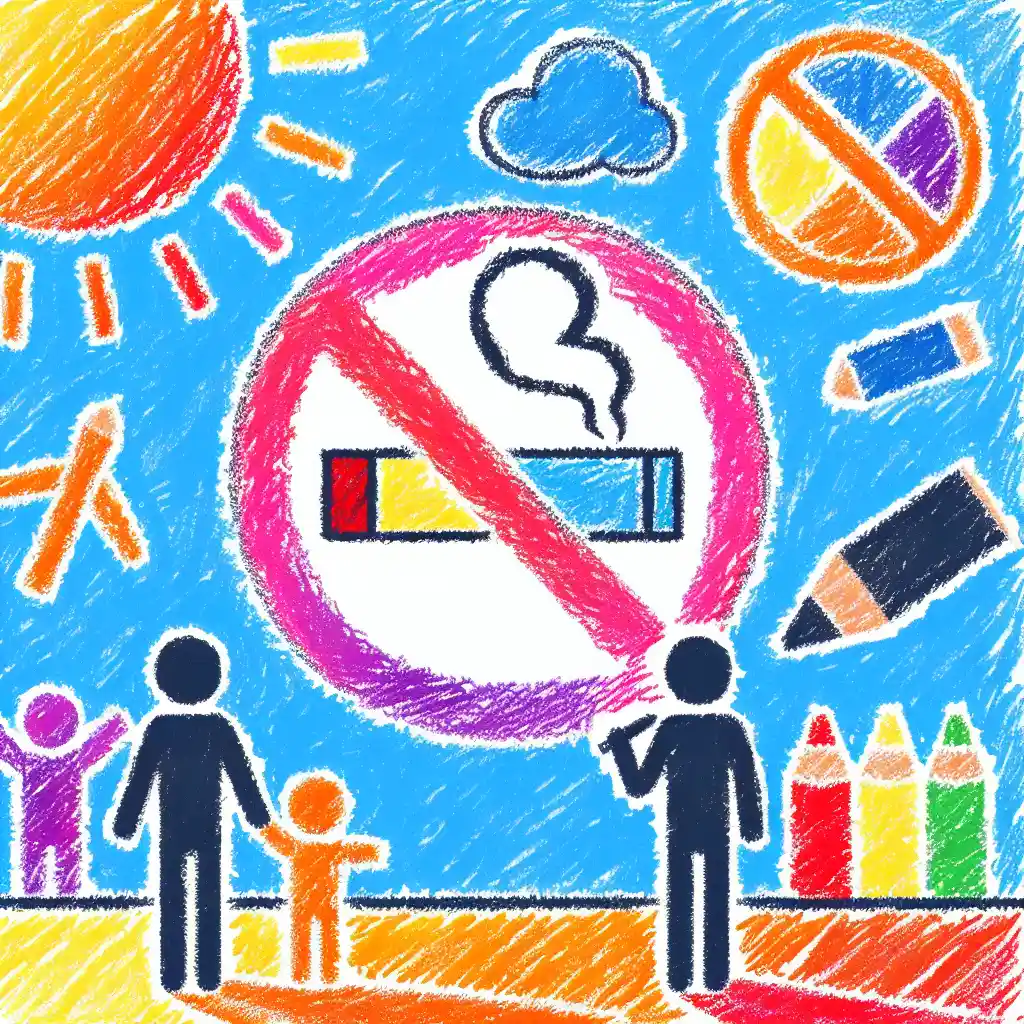
Everyone born after 2008 to be banned from smoking
Explain Like I'm 5
Imagine that in a kingdom, there's a rule saying that anyone born after a certain year can never eat a certain type of candy because it's really bad for their health. Now, replace the kingdom with our country and the candy with cigarettes. The big people in charge decided that anyone born after 2008, which might include your older cousin or your future little sister, won't be allowed to buy or smoke cigarettes when they grow up. They think this is a great way to make sure everyone stays healthier and happier as they grow older!
Explain Like I'm 10
So, the government has passed a new rule that says if you were born in 2009 or later, you will never be allowed to buy cigarettes or smoke them when you're an adult. Health Secretary Wes Streeting called this a "historic moment for the nation's health" because it’s a big step towards making future generations healthier. The idea here is like creating a team where no one smokes, hoping it will keep everyone from getting sick from smoking-related illnesses, which happen a lot. Just like when schools have rules to keep everyone safe and healthy, the government is doing something similar on a much bigger scale. This is important because smoking is known to cause lots of health problems, and they want to stop these problems before they start!
Explain Like I'm 15
The UK government has officially passed legislation aimed at creating what they're calling a "smoke-free generation." Everyone born after 2008 will be legally prohibited from buying or smoking cigarettes. This landmark decision is part of a broader public health strategy to eradicate the negative health impacts associated with smoking, which include various cancers, heart diseases, and respiratory problems.
This move is not just about preventing young people from picking up the habit but also about shifting cultural perceptions and norms around smoking. It's a preventive measure, hoping to significantly reduce the healthcare costs related to treating smoking-related diseases. This kind of legislation may also inspire other countries to consider similar laws if it proves successful in improving public health and cutting medical costs.
However, the success of this law will depend on several factors, including how well it is enforced and how the public responds to these changes. There will likely be debates and discussions about personal freedom and government regulation, which are common when such sweeping health policies are implemented. Looking forward, this could set a precedent for how governments around the world tackle not only smoking but other public health challenges as well.
Want to read the original story?
View Original Source