Fake videos of actors target Armenia election
Explain Like I'm 5
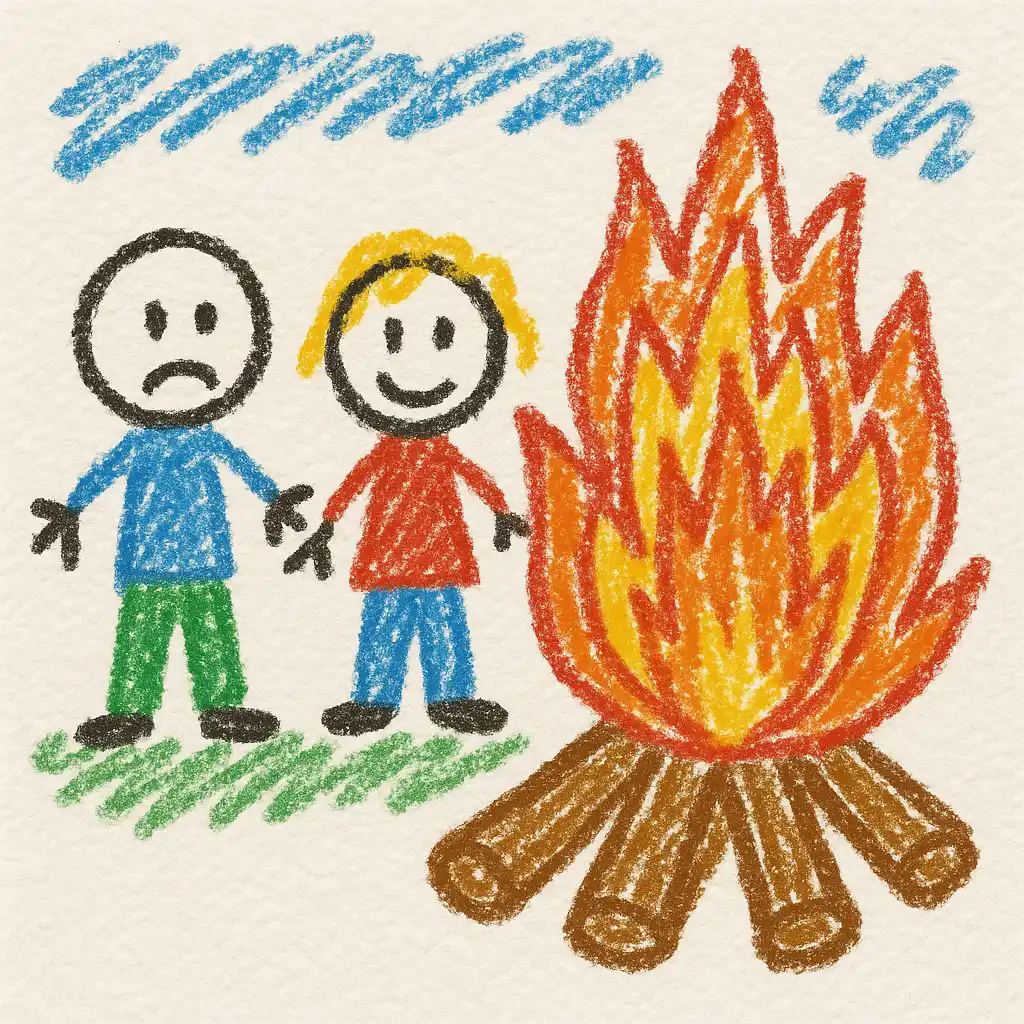
Imagine you have a magic toy that can copy your voice and make it say anything you want. Sounds fun, right? Now, imagine someone uses this toy to make it seem like you said something mean or silly that you didn’t actually say. Not so fun anymore. This is similar to what's happening in Armenia right now. Some people used a computer (like that magic toy) to copy the voices of famous actors and made videos where these actors appear to be saying things they never really said. They did this to trick people during an important time when adults in Armenia are choosing their leaders.
Explain Like I'm 10
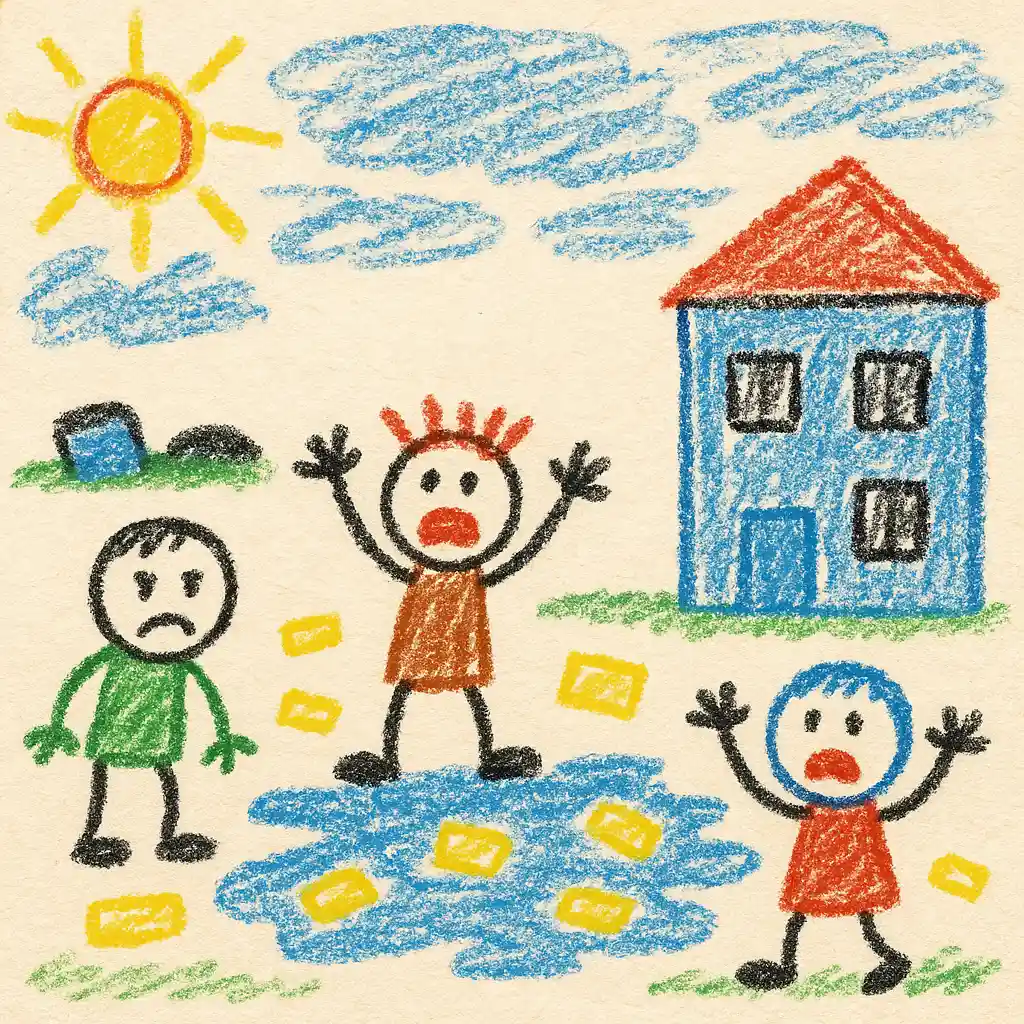
Let’s think of it as a game of make-believe, but with serious consequences. In Armenia, there’s a big event coming up where people vote to choose their leaders, kind of like choosing a class president. Now, imagine if someone used a computer program to create a video where it looks and sounds like your favorite movie star is saying they support a certain student for president, but in reality, they never said that. That’s what’s happening in Armenia. Actors’ faces and voices are being copied and used in videos without their permission, to make it look like they are saying things to influence people’s choices in the election. This is a big problem because it can confuse voters and make them unsure about what’s true and what’s not.
Explain Like I'm 15
In Armenia, there’s currently a sophisticated form of misinformation affecting the political landscape. As the country prepares for its elections, certain groups are using artificial intelligence to create deepfake videos. These videos make it look and sound like well-known actors are endorsing certain political messages or candidates. Essentially, it's a high-tech form of lying, manipulating public opinion by leveraging the credibility and familiarity of popular figures.
This tactic isn't just a dirty trick; it's dangerous. It undermines trust in media and public figures, complicating the voters' ability to make informed decisions. Historically, misinformation has been used in various forms to sway political outcomes, but the introduction of AI and deepfake technology takes this to a new level. The broader implications include potential increases in political polarization and a general erosion of democratic processes, as public faith in the authenticity of information declines.
What might happen next is crucial. There will likely be calls for stricter regulations on AI technologies and more robust verification processes for media. Experts are concerned about the precedent such incidents set, not just in Armenia, but globally, as similar technologies become more accessible and potent. The situation in Armenia could serve as a case study for other nations to understand and combat the misuse of AI in elections and beyond.
Want to read the original story?
View Original Source