
Fight over fossil fuels leaves COP31 climate talks in deadlock
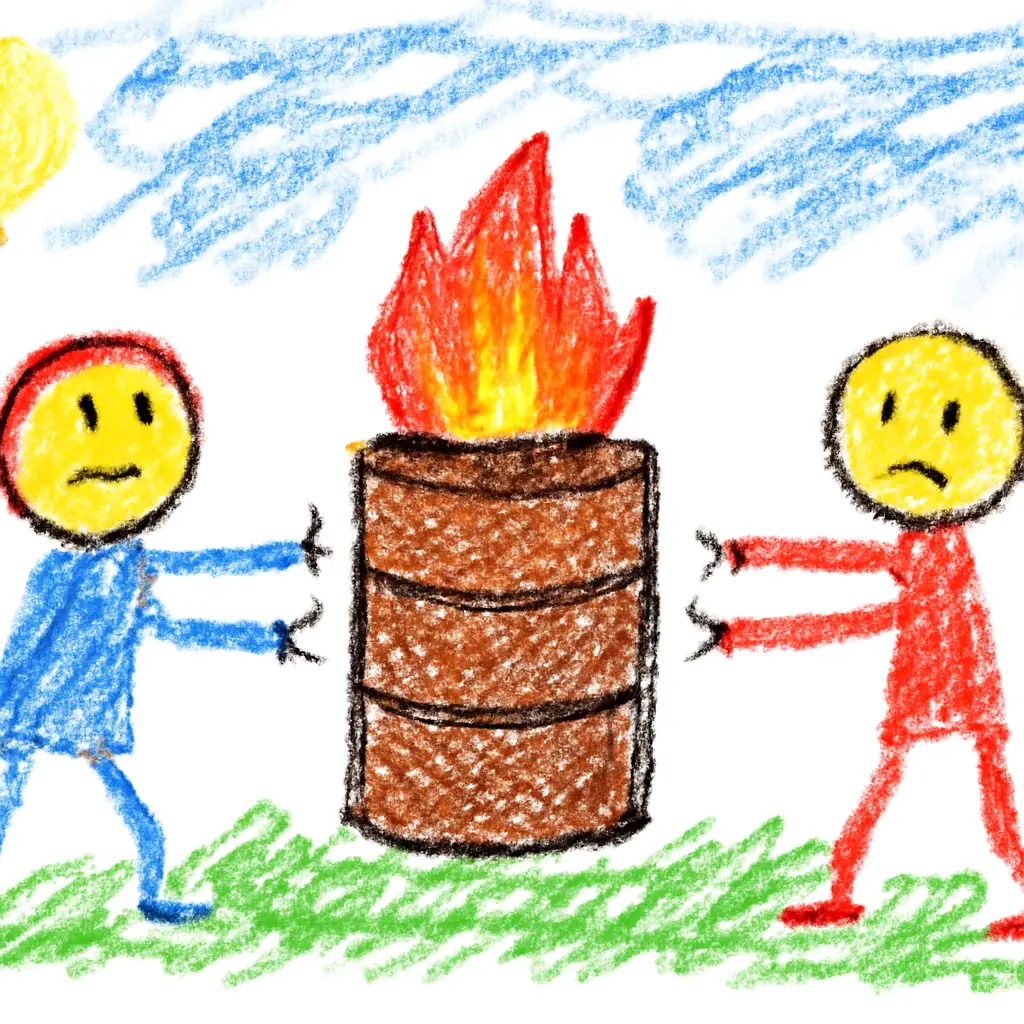
Explain Like I'm 5
Okay, imagine you and your friends are trying to decide what game to play, but everyone wants to play something different. Some want to play tag, while others think hide-and-seek is the best. So, instead of having fun, you all just sit there arguing.
That's kind of what's happening at the big meeting called COP31, where nearly 200 countries are trying to agree on how to take care of our planet. They’re stuck because some countries really want to keep using fossil fuels (like oil and coal), while others want to stop using them to help the Earth. The big takeaway? It’s tough to agree when everyone wants to play a different game!
Explain Like I'm 10
So, there's this important meeting called COP31, where almost 200 countries gather to talk about how to deal with climate change. Think of it as a giant team meeting, but instead of discussing snacks for the next party, they’re trying to figure out how to save our planet. Right now, they’re in a “deadlock,” which is a fancy way of saying they can’t agree on anything.
The main issue? Fossil fuels—those are the dirty fuels like coal and oil that have been powering our cars, heating our homes, and running factories. Some countries want to keep using them because they think it’s important for their economies and jobs. Others believe we need to stop using them to reduce pollution and help slow down climate change. They’re stuck arguing about this, and while they argue, nothing is getting done!
Explain Like I'm 15
The COP31 climate talks are a crucial international conference where nearly 200 countries come together to address climate change and negotiate agreements to limit global warming. This year, however, the discussions are in a deadlock primarily due to disagreements over fossil fuels. While some countries, particularly those heavily reliant on fossil fuel production, are resistant to any commitments to reduce their usage, others are pushing for stronger measures to transition towards renewable energy sources.
Historically, these talks have faced challenges, as wealthy nations and developing countries often have conflicting priorities. The developed countries typically have more resources to invest in renewable energy, while many developing nations are concerned about their economic growth and energy needs. The urgency of climate change makes this deadlock particularly frustrating, as experts warn that without decisive action, we may face severe environmental consequences.
Looking ahead, the implications of this deadlock are significant. If countries can't come to an agreement, it could slow down global efforts to combat climate change, leading to more extreme weather events, rising sea levels, and greater economic instability. Meanwhile, experts suggest that countries will need to find common ground, perhaps by creating a framework that allows for gradual reductions in fossil fuel reliance while still supporting economic growth. The outcome of these talks will undoubtedly shape our planet's future, so it's a moment to watch closely!
Want to read the original story?
View Original Source