Firefighters battle 'emergency level' blazes in Australia heatwave
Explain Like I'm 5
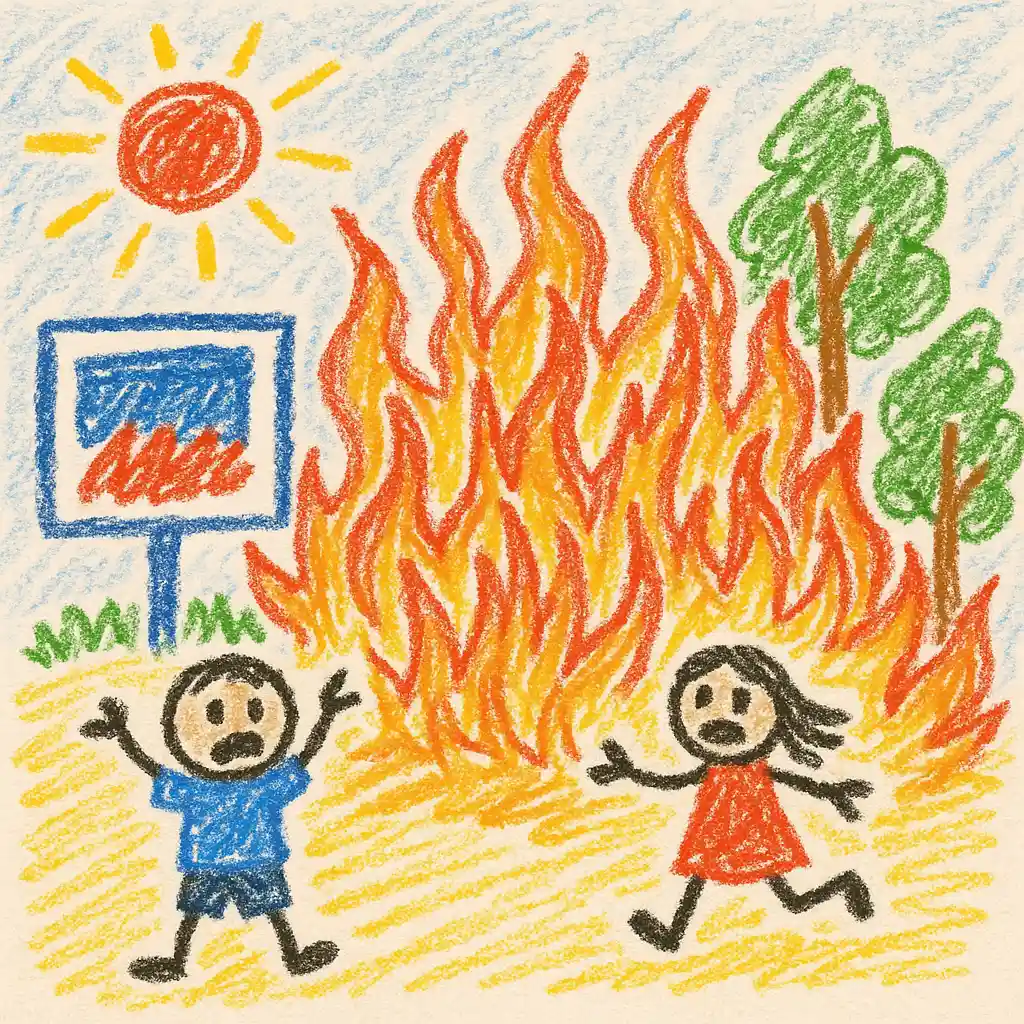
Imagine it's a super hot summer day and you're outside playing with your toys, but suddenly, one of your toys starts to melt because it's so hot! Now, imagine that instead of toys, we have trees and grass, and instead of melting, they start catching fire because of the heat. That's kind of what's happening in Victoria, Australia right now. It's really, really hot there, and this heat is helping fires start and spread quickly. Firefighters are like superheroes who are trying very hard to put out these big fires, called 'blazes', but there are so many fires and it's so hot that it’s a really tough job.
Explain Like I'm 10
In Victoria, Australia, which is a big area in the south of the country, it's currently experiencing a very big heatwave. A heatwave is like when summer gets extra strong and the temperature goes way higher than normal. This extreme heat helps start wildfires, which are large, uncontrollable fires that spread quickly in natural areas like forests or bushland. Right now, there are at least six big wildfires happening.
These fires are so big and dangerous that they're called 'emergency level' because they need lots of people to deal with them quickly to keep everyone safe. Firefighters, who are the people trained to fight fires, are working super hard to control these fires. They use big hoses and sometimes even airplanes that drop water or special chemicals to help put out the flames. It’s a big deal because these fires can destroy homes, nature, and can be very dangerous to people and animals too.
Explain Like I'm 15
Currently, the state of Victoria in Australia is grappling with severe wildfires amid an unprecedented heatwave. This heatwave is setting new temperature records, making it not only uncomfortable but perilous. The intense heat exacerbates the risk of wildfires, which are already a natural hazard in Australia, especially in its more arid regions.
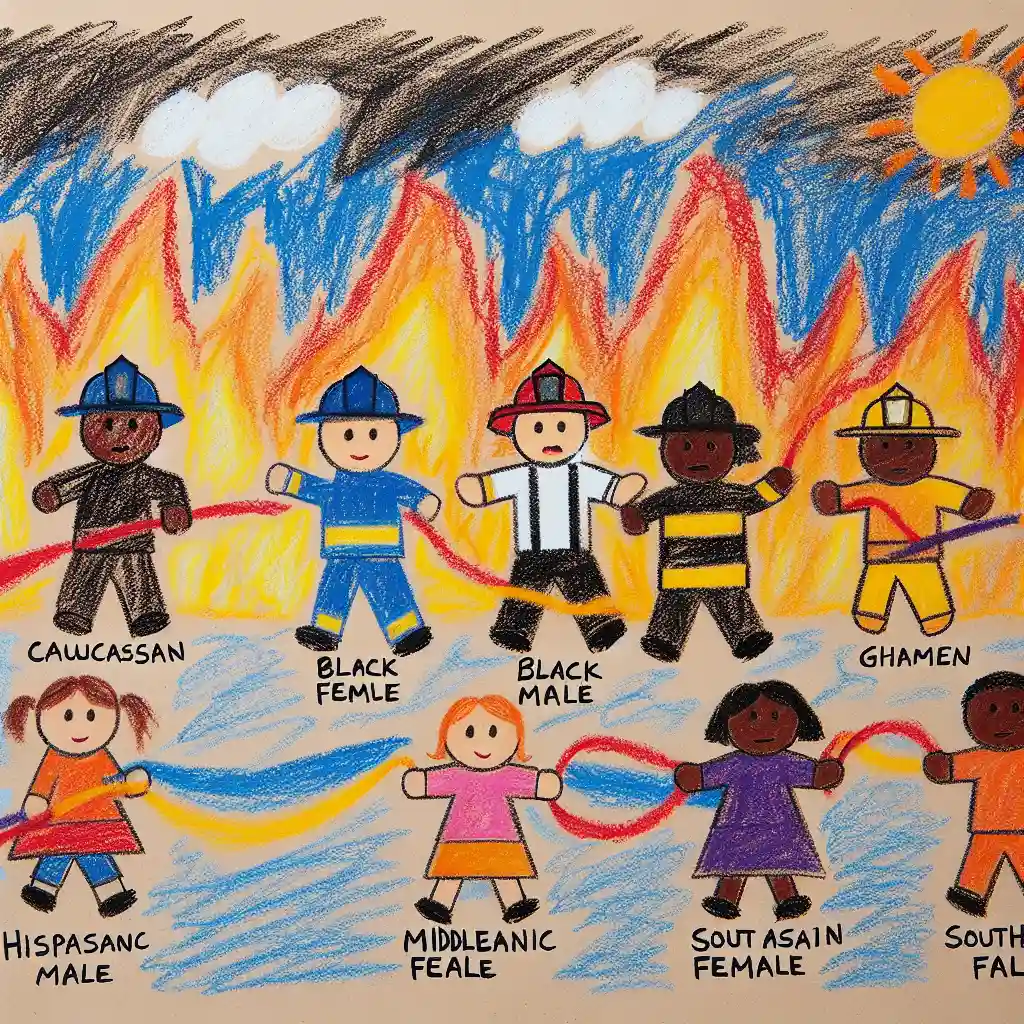
Firefighters are combatting at least six major fires across the region. These fires have escalated to what's considered 'emergency level.' This designation means they pose a significant threat to safety and property, requiring immediate and substantial response efforts, including the deployment of numerous firefighting teams and equipment. The firefighters use ground tactics alongside aerial support like helicopters and planes that drop water or fire retardant to try to control the spread of the flames.
The broader implications of such events include not only immediate threats to wildlife and human populations but also long-term environmental impacts, such as loss of biodiversity and increased carbon emissions, which ironically contribute further to global warming. Moreover, events like this strain resources and have economic impacts, particularly in rural areas dependent on agriculture and tourism. Looking ahead, experts stress the importance of addressing climate change to mitigate the frequency and severity of such heatwaves and wildfires, suggesting that better land management and environmental policies are also critical in adapting to and managing these increasing risks.
Want to read the original story?
View Original Source