Five killed in gas explosions in Iran, officials say
Explain Like I'm 5
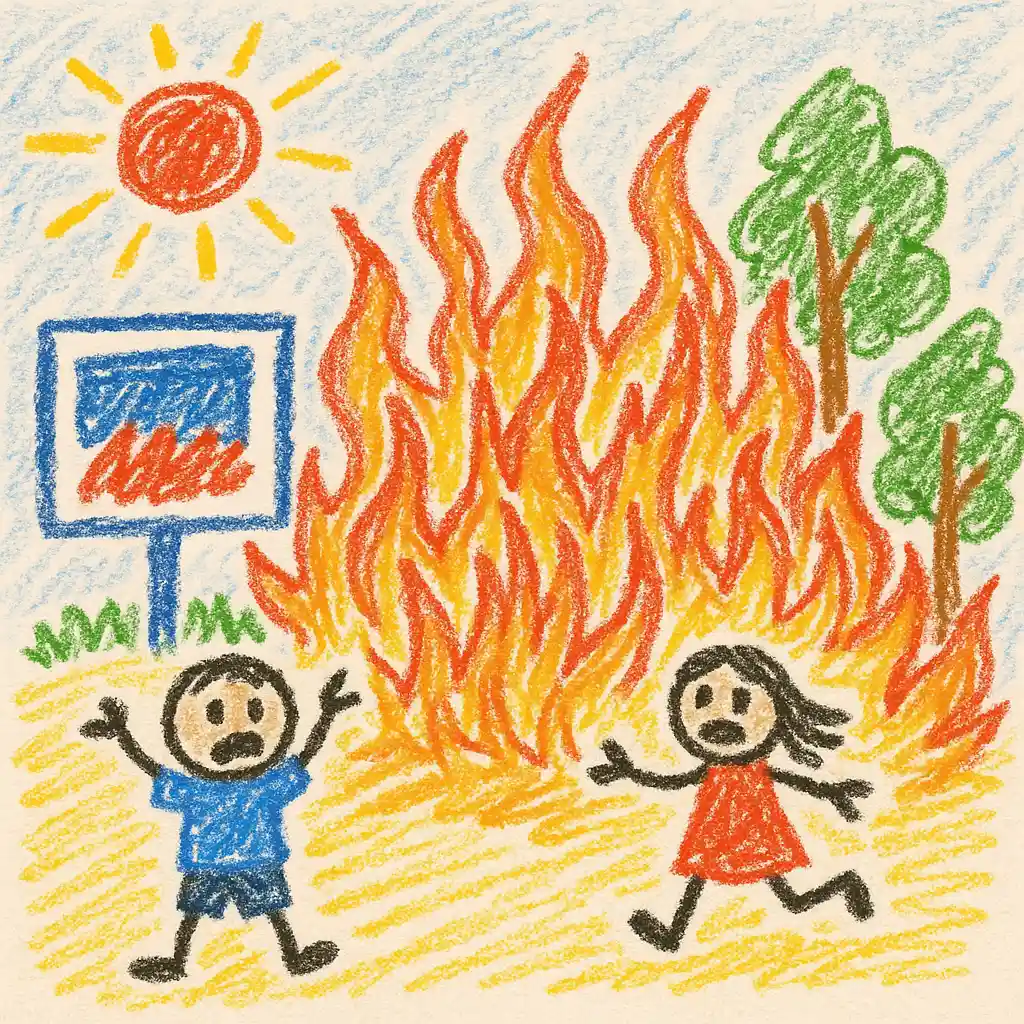
Imagine you have a bunch of balloons filled with air. If one of those balloons pops, it makes a loud noise, right? Now, imagine if instead of air, those balloons were filled with a special type of air that can catch fire very quickly. If one of those balloons pops, it can make an even bigger boom! In Iran, something similar happened but with gas instead of balloon air. This gas got out and went boom a couple of times in different places on the same day. Sadly, five people couldn't escape the big booms and were hurt so badly they didn't survive. Other people got hurt too, but they are in the hospital getting help.
Explain Like I'm 10
So, in Iran, there were some really bad gas explosions. Gas, like what we use to cook food or heat houses, can be very dangerous if it leaks and catches fire. On one particular Saturday, there were a few of these gas explosions in different places. Sadly, five people died because of these explosions. Fourteen others were hurt and had to go to the hospital.
These explosions were separate, meaning they happened in different spots, not all together. It's like if several small fires started in different parts of a town instead of one big fire in one place. Authorities, or the people in charge of safety, are probably trying to figure out why these explosions happened. They'll want to make sure it doesn't happen again because keeping people safe is very important.
Explain Like I'm 15
In Iran, a series of unfortunate events led to several gas explosions that occurred on the same Saturday, resulting in the deaths of five individuals and injuries to fourteen others. Gas explosions can be caused by leaks, which when mixed with air and ignited, result in a violent explosion. This can happen due to poor maintenance, faulty equipment, or sometimes because safety standards are not followed properly.
These separate blasts raise questions about the safety protocols and infrastructure in place to prevent such incidents. It's crucial to investigate these explosions to understand what went wrong and how similar tragedies can be avoided in the future. Authorities will need to inspect if the gas lines were old or poorly maintained, and whether there was any foul play or negligence involved.
The broader implications include examining the country's energy infrastructure's safety and the effectiveness of emergency response systems. These incidents can have a ripple effect, influencing public policy and possibly leading to stricter regulations and safety measures. Ultimately, it's about learning from these sad events to better protect citizens and ensure that such disasters are less likely to occur again.
Want to read the original story?
View Original Source