Fuel sales collapse as Iran war costs knock savings
Explain Like I'm 5
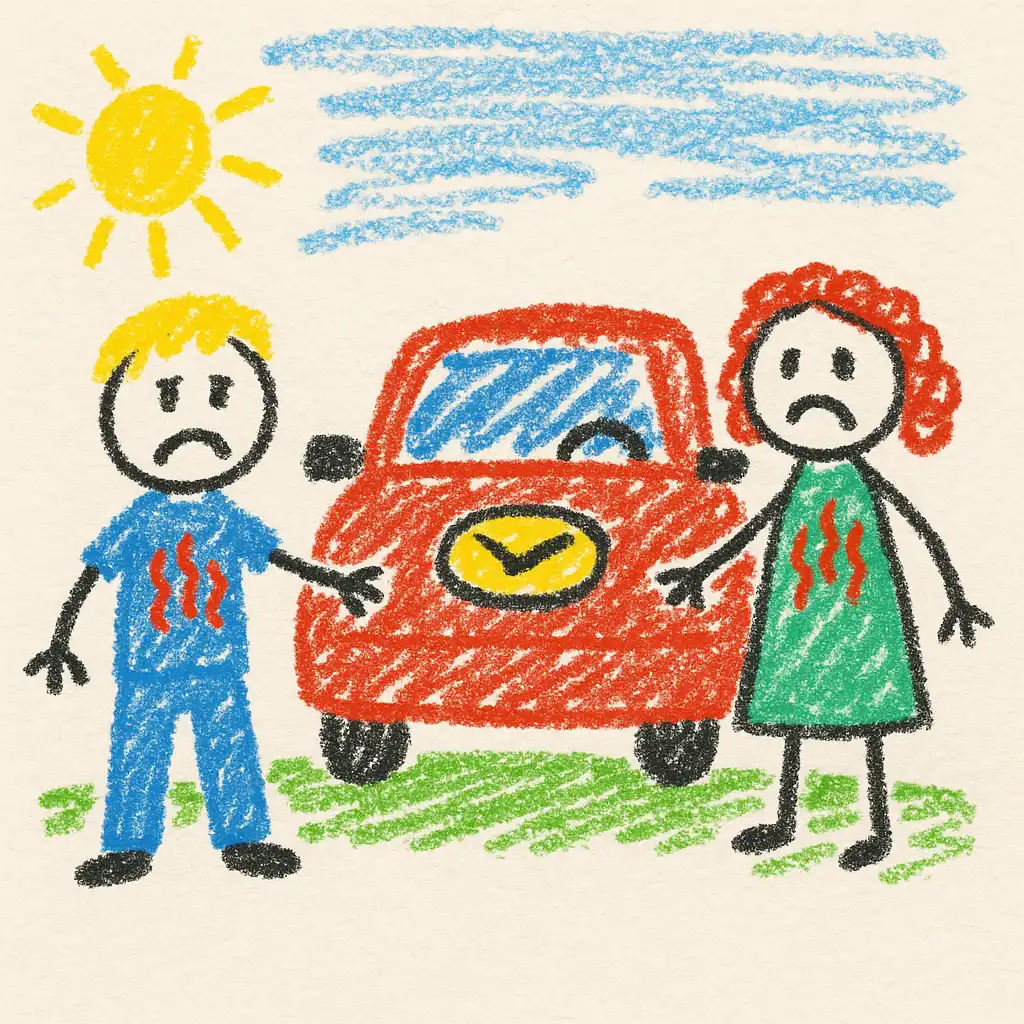
Imagine you have a piggy bank where you keep all the coins you save from your allowance. Now, imagine things you like to buy, like toys or candies, start to cost more coins because of a big argument happening far away that makes things more expensive everywhere. Because of this, you need to use more coins from your piggy bank to buy the same things. Now, let’s say you also have a toy car that needs batteries to run. If the batteries get super expensive, you might decide to play less with that car to save your coins. This is kind of what’s happening in the UK right now. People are using their savings because things are getting costlier due to a war, and they're buying less fuel for their cars because it's more expensive.
Explain Like I'm 10
In the UK, there's a big problem because the cost of many things families need, like fuel for cars, is going up. This is happening because of a war between the US and Iran, which affects prices all over the world. When things become more expensive, families have to spend more money than usual, and sometimes they have to use the money they saved up for emergencies or special things. This situation is making a lot of people worried because they don't want to spend all their savings. Since fuel (the gas that cars need to run) has become really expensive, fewer people are buying it. They’re trying to save money by maybe walking more or using public transportation. This drop in buying fuel is a big deal because it shows how the war is affecting regular people’s daily lives, making it harder for them to manage their budgets.
Explain Like I'm 15
The economic impact of the US-Iran war is being felt strongly in the UK, with a significant rise in living costs, particularly fuel. This conflict has disrupted global oil supplies, driving up prices. High prices mean that people need to spend more on basic necessities — which are things we can't live without, like fuel for cars. As these costs eat into people's budgets, many in the UK are being forced to dip into their savings to cover everyday expenses, a situation that's sustainable only for so long before savings run dry.
This scenario has led to a noticeable drop in fuel sales as people try to cut costs wherever possible, perhaps by using public transport or car-sharing. Economically, this has broader implications. Reduced fuel sales can hurt businesses involved in oil and transportation, leading to a potential slowdown in those sectors of the economy. Socially, it affects how people live and work, potentially changing patterns in commuting and travel.
Looking ahead, if fuel prices don't stabilize, we could see longer-term economic consequences, like slower economic growth and a reduction in disposable income, as people prioritize essentials over other spending. Experts are worried because if savings are depleted and costs remain high, this could lead to increased debt levels among households. This situation highlights the interconnectedness of global events and local economies, showing how international conflicts can have direct and painful impacts on everyday life.
Want to read the original story?
View Original Source