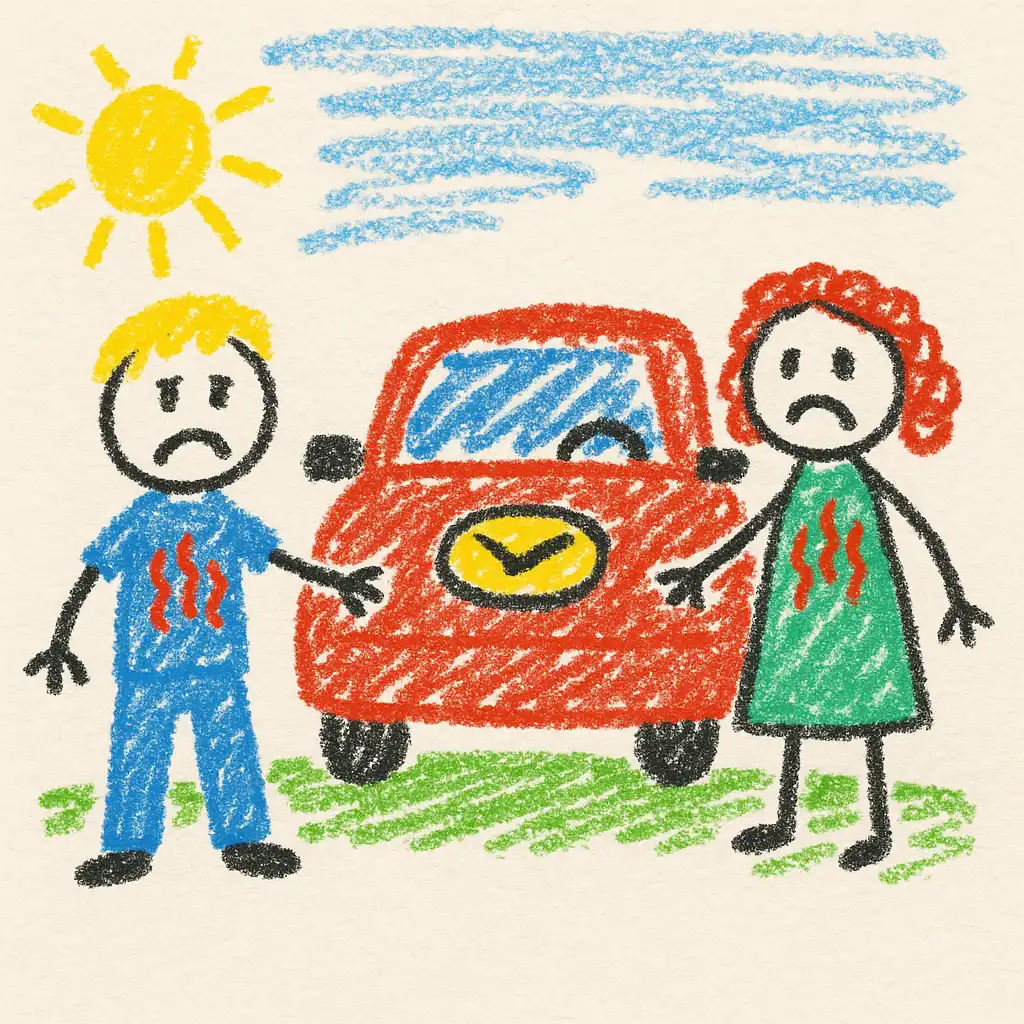
Gas line explosion demolishes California house, injures 6
Explain Like I'm 5
Imagine if your soda bottle was shaken up really, really well, and then you suddenly took off the cap. It would go "boom!" and spray everywhere, right? Well, something similar happened with a house in California, except it wasn't soda, it was gas, like the kind that can heat your house or cook your food. The gas got out and went "boom!" which broke the house into little pieces and hurt six people. It was like a big, unexpected burp from the Earth, except a lot more serious and dangerous.
Explain Like I'm 10
So, there was this house in California, and underneath it, there were pipes carrying gas. This gas is usually safe when it stays in the pipes, just like water in a hose. But sometimes, if there's a leak or a break in the pipe, the gas can escape. When gas mixes with air, it can explode if it catches a spark, just like lighting a match near a balloon filled with hydrogen.
Unfortunately, that's what happened with this house. The gas leaked, mixed with the air, and then something made it ignite and explode. The explosion was so powerful that it completely destroyed the house and injured six people who were probably just going about their day. It’s a reminder of how important it is to make sure things like gas pipes are checked and kept in good condition.
Explain Like I'm 15
In a quiet neighborhood in California, a catastrophe unfolded when a gas line, likely worn out or damaged, leaked explosive gases into a residential home. Gas lines, which are underground pipelines, carry natural gas into our homes for things like heating and cooking. This gas is highly flammable, meaning it can catch fire super easily.
When the leaked gas accumulated in the house, all it needed was a tiny spark—perhaps from an appliance turning on or even static electricity—to set off a massive explosion. The result was the total demolition of the house and severe injuries to six individuals. This tragic incident highlights the critical importance of infrastructure maintenance—things like checking and repairing old gas lines that we often take for granted but lurk beneath our feet.
The broader implications of such explosions touch on the need for stricter safety regulations and more frequent inspections to prevent such dangerous incidents. It also opens up discussions on the reliability of our current infrastructure and the potential risks old or poorly maintained utilities pose to public safety. Looking ahead, experts might push for more modern technologies in gas detection and better materials for gas lines to enhance safety. But for now, the focus is likely on investigating how this happened and ensuring it doesn’t happen again.
Want to read the original story?
View Original Source