Government borrowing higher than expected in February
Explain Like I'm 5
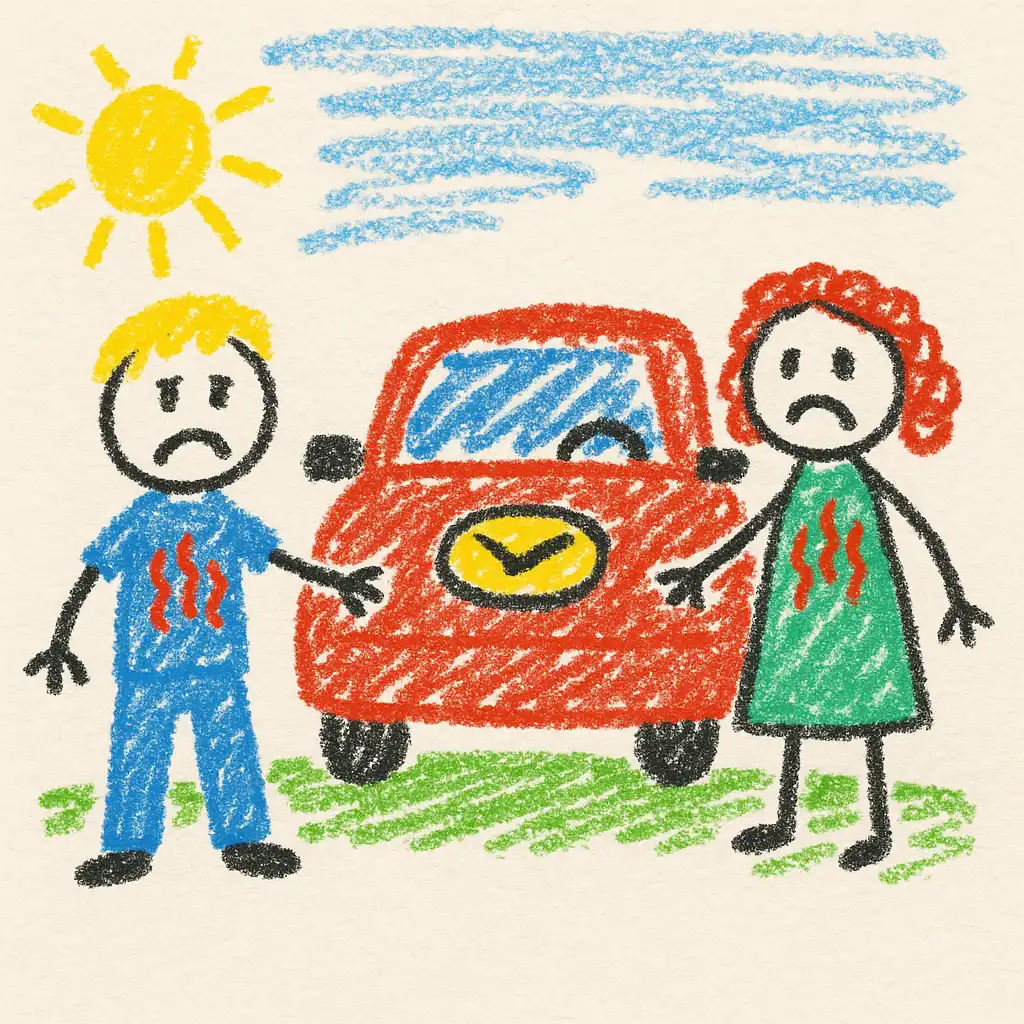
Imagine you have a piggy bank where you save money from your allowance to buy toys. But one month, you really, really want this huge, amazing toy castle that costs more than you have. So, you ask your mom for some extra money, promising you'll save up more next month to pay her back. The government works similarly. In February, the government needed more money than it usually does because it wanted to buy more things (like paying for schools, hospitals, and roads). Even though it also got more money than before (like you getting a bigger allowance), it still wasn’t enough for everything they wanted to do. So, they had to borrow more money than they thought they would need.
Explain Like I'm 10
The government has a big job of taking care of the country, kind of like how your parents take care of you and your home. They pay for things like schools, hospitals, and fixing roads. They get most of their money from taxes, which is money that people and businesses pay to the government. In February, the government collected more tax money than before because businesses and people were earning more. However, they ended up spending even more than they collected. This is a bit like if you saved up your allowance because you wanted a new bike, but then ended up needing a new helmet and knee pads too, which cost more than you planned. So, the government had to borrow more money than they expected to cover everything. This is called government borrowing, and when it's higher than expected, it can be tricky because it means they owe more money later.
Explain Like I'm 15
The government operates on a budget, much like your family might. This budget is used to manage the country’s needs, including healthcare, education, infrastructure, and more. The government generates revenue primarily through taxes, which come from individuals, corporations, and other sources. In February, the government saw an increase in tax receipts, suggesting that the economy was doing fairly well and businesses and individuals were earning more. However, their expenditures surpassed these receipts. This can happen for various reasons like increased healthcare costs, unexpected expenses, or new policy implementations requiring more funding.
This situation led to higher than expected government borrowing. Borrowing isn’t inherently bad; it's like taking out a loan to invest in something important. However, excessive borrowing can lead to higher national debt, which could affect the country’s financial health in the long run. It might result in higher taxes in the future or cuts in public services when the government needs to pay back what it owes. Economists keep a close eye on these figures because they give a snapshot of the country’s economic health and can indicate potential financial challenges ahead. This particular instance of increased borrowing might prompt discussions on spending policies or adjustments to fiscal strategies to ensure long-term economic stability.
Want to read the original story?
View Original Source