Government could force media industry to improve safeguards after Walliams allegations
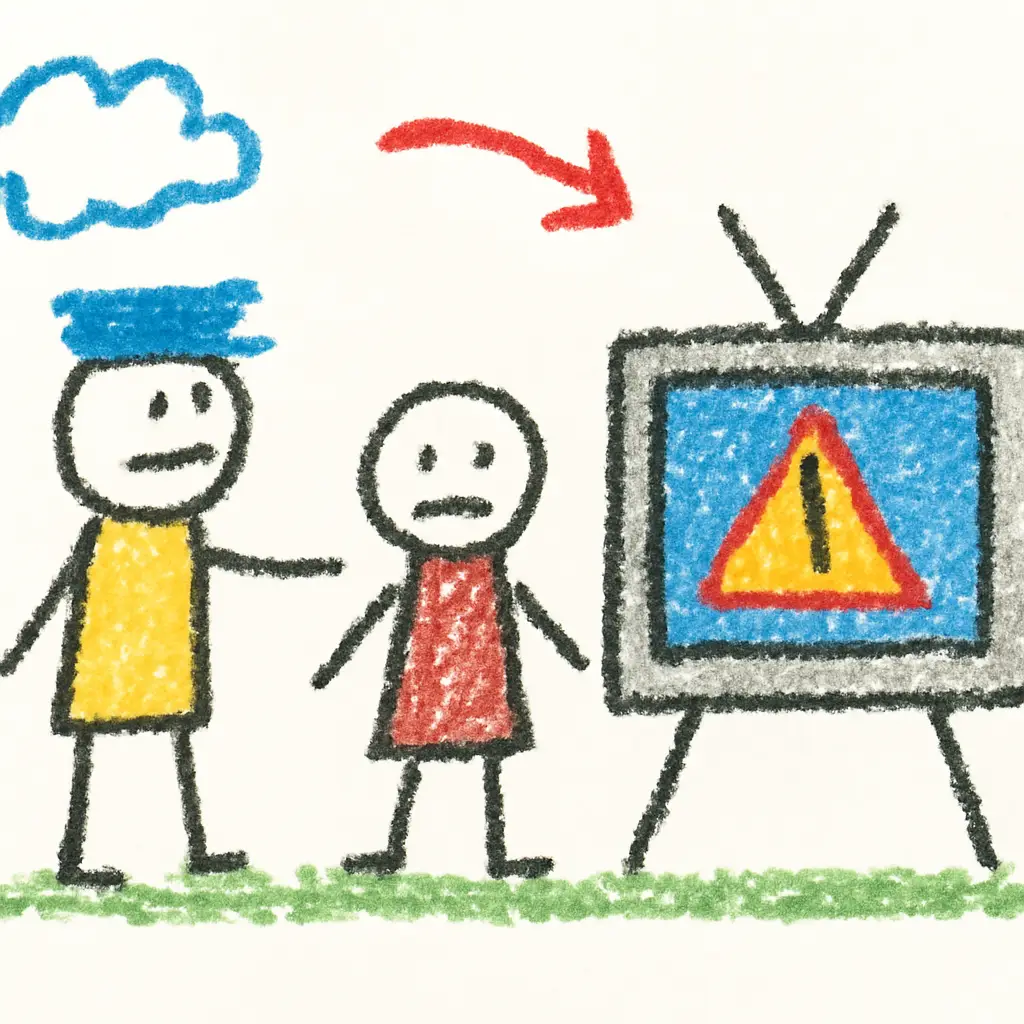
Explain Like I'm 5
Okay, imagine you have a big box of crayons, and everyone wants to play with them. But sometimes, a kid grabs all the crayons and doesn’t share, making others sad. Now, the grown-ups (the government) are saying, “Hey, we need rules to make sure everyone plays nice and shares the crayons!”
So, in this story, some people in charge want to make sure that anyone who sees something wrong in the media (like bullying or unfairness) can speak up without being scared. It's like making sure everyone can tell the teacher if someone is being mean without worrying about getting in trouble.
Explain Like I'm 10
Alright, so here’s the scoop: There have been some serious claims about a famous person in the media named David Walliams. People are saying he might have done some not-so-nice things, and this has made others in the media worried about how they handle such situations.
Culture Secretary Lisa Nandy is stepping in, suggesting that the media industry might need to create a sort of safety net, like an adult version of a playground monitor, to protect people who might want to speak up about bad behavior—these people are called whistleblowers. This could mean that the government might require media companies to join an oversight group, which would help ensure everyone plays by the rules and treats each other fairly.
Explain Like I'm 15
So, here’s what’s happening: Recent allegations against David Walliams have stirred up a significant conversation about the culture within the media industry. These allegations are serious and point to a broader issue of workplace behavior and the treatment of individuals within that space.
Culture Secretary Lisa Nandy is proposing that the government could intervene to require media organizations to adopt stricter safeguards for whistleblowers. Essentially, this would mean creating a formal watchdog that oversees how complaints are handled in the industry. Right now, there’s a growing concern that without these safeguards, people may fear retaliation or isolation if they speak out against misconduct, which is a huge problem in maintaining a healthy workplace culture.
Looking back, the media industry has faced criticism for not doing enough to protect its employees, especially in light of high-profile cases of harassment and misconduct. If this proposal goes through, it could shift how the media operates, making it more responsible and transparent. Experts suggest that this might lead to a healthier work environment, but it’s also a complex situation because some media companies might resist these changes due to concerns about regulation and control.
In the future, we might see more discussions about accountability in the media, and how it impacts the way stories are told and reported. Whether this leads to meaningful change largely depends on how the government and the media industry respond to these allegations and the proposed safeguards.
Want to read the original story?
View Original Source