High-speed train collision in Spain kills at least 39
Explain Like I'm 5
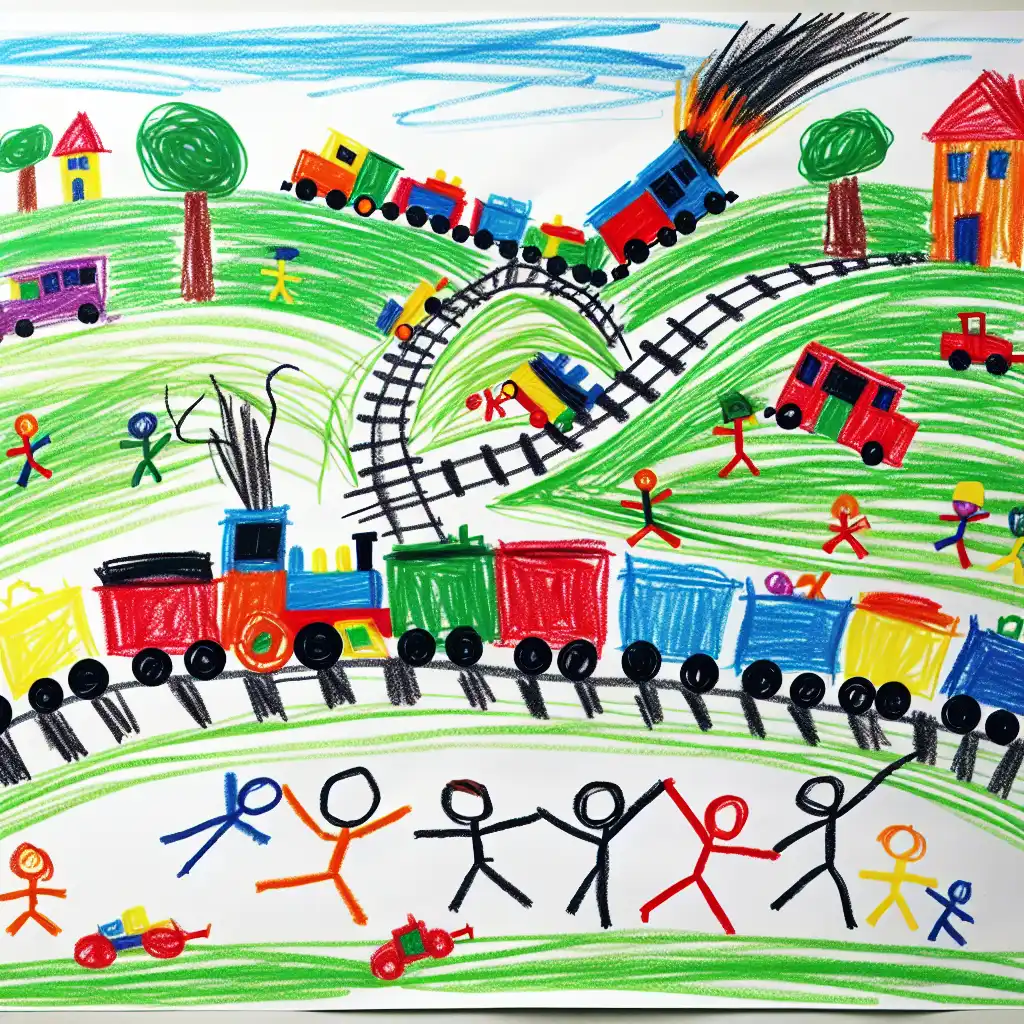
Imagine you have two super-fast toy trains on the same track. If they accidentally run into each other, it can make a big mess, right? That’s kind of what happened in Spain recently. Two very fast trains were traveling and they crashed into each other near a place called Córdoba. This crash was a big deal because it was the worst one they've had in over ten years and, sadly, at least 39 people died. There were more than 400 people on the trains, so it was really busy!
Explain Like I'm 10
So, in Spain, there was a really serious train accident close to a city named Córdoba. Two high-speed trains, which are trains that go super fast, like race cars on tracks, ended up crashing into each other. This kind of crash is very rare but very serious. At least 39 people who were on the trains died because of the crash.
There were over 400 passengers on board, which means these trains were pretty packed. This is the worst train crash that has happened in Spain for more than ten years, which is why it’s big news. It’s a sad and important event because many people were affected, and it also makes people think about how to make trains safer so this doesn’t happen again.
Explain Like I'm 15
In Spain, near the city of Córdoba, a tragic event occurred involving the collision of two high-speed trains. This accident is significant as it's the deadliest rail crash the country has seen in over a decade, with at least 39 fatalities reported. More than 400 passengers were involved, which indicates the trains were heavily utilized, reflecting on how critical this transport is for daily commuting and travel in Spain.
High-speed trains are designed for efficiency and speed, reducing travel time between cities, but they also require precise management and safety protocols to prevent accidents. The collision not only has immediate tragic consequences but also raises questions about the safety measures currently in place. Historically, Spain has invested heavily in its high-speed rail network, and incidents like this test public confidence in the system.
Looking ahead, this crash will likely prompt investigations and possibly reforms in safety protocols and technology used in the rail system. It’s a moment for reflection on how advanced transport systems balance speed with safety, and what can be done to prevent such incidents in the future. The broader implications here involve not just rail travel but public perceptions of modern transportation safety and the technical and ethical standards that govern it.
Want to read the original story?
View Original Source