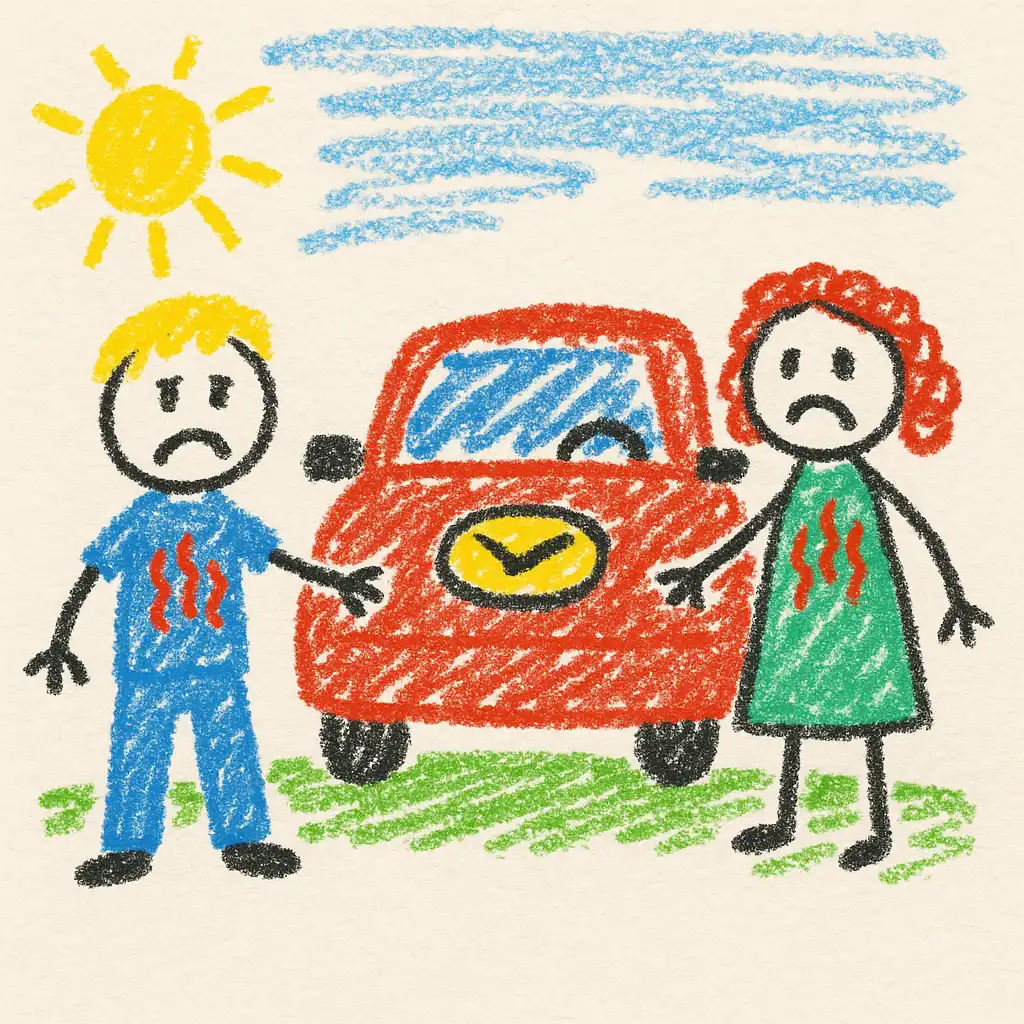
Homeland Security suspends TSA PreCheck and Global Entry airport security programs
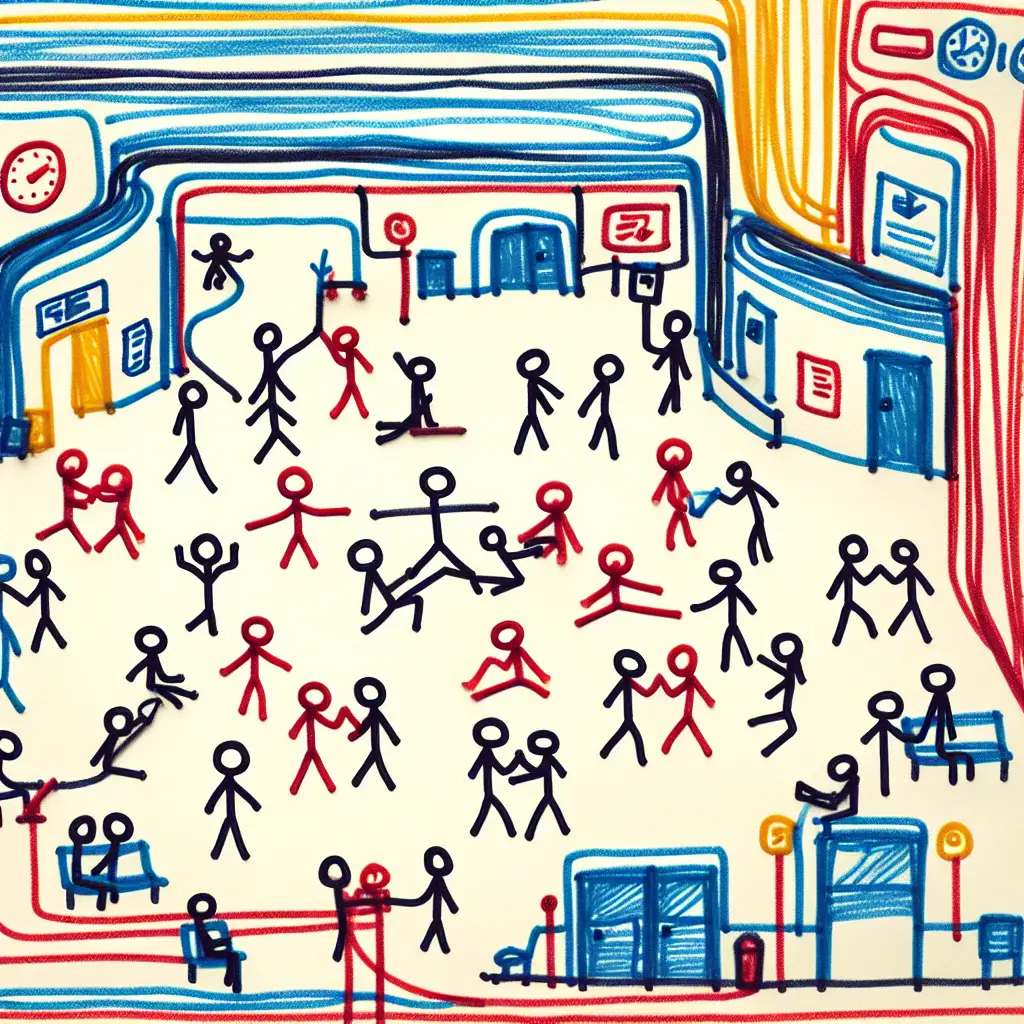
Explain Like I'm 5
Imagine you have a special pass at school that lets you skip the long lunch line and grab your food quickly. Now, think about if one day, the school says, "Oops, we can’t use the fast pass right now!" That’s kind of what happened with two special airport programs called TSA PreCheck and Global Entry. These programs let people go through airport security faster, like a fast pass. But because the government is having some money troubles and can't fully operate, they said, "We need to pause these fast passes." So now, everyone has to wait in the long lines.
Explain Like I'm 10
TSA PreCheck and Global Entry are special programs that help travelers move through airport security faster than usual. You can think of them as VIP tickets at an amusement park where you get to skip the long lines. However, the U.S. Department of Homeland Security, which manages these programs, has decided to suspend them. Why? Well, there's a problem with the government's budget right now, and they don't have enough money to keep everything running as usual. This situation is called a partial government shutdown. So, without enough funds, they can't keep these fast-track airport services going. Now, everyone, even the people who paid for these special services, has to wait in the standard security lines, which might take longer.
Explain Like I'm 15
TSA PreCheck and Global Entry are programs that expedite the security process for pre-approved travelers at airports across the United States. They're like express lanes on a highway, where approved drivers can bypass regular traffic. However, the Department of Homeland Security has had to put these programs on hold due to a partial government shutdown caused by budget disagreements in Congress. This means the government doesn't have the necessary funds to maintain all its operations, including these expedited airport security services.
This suspension isn’t just an inconvenience for travelers; it also reflects broader issues of governmental budget management and can have economic implications. For instance, longer lines could lead to delays and might deter some people from traveling. Moreover, it raises questions about the stability and reliability of services that people pay for, expecting them to be available. The broader implications include how budget constraints and political disagreements can impact everyday services that people rely on. Moving forward, resolving these budget issues will be crucial not only for restoring these services but also for maintaining trust in government-operated programs. What happens next will largely depend on how quickly the government can resolve its budgetary disputes. Experts suggest that prolonged suspensions could lead to a reevaluation of how these programs are funded and managed in the future.
Want to read the original story?
View Original Source