Homes harder to sell as high mortgage rates frustrate buyers
Explain Like I'm 5
Imagine you have a lemonade stand, and you usually sell a cup of lemonade for 1 dollar. One day, you decide to raise the price to 2 dollars. Now, fewer friends want to buy your lemonade because it costs more. In the grown-up world, people who sell houses are facing a similar problem. Because the amount of money (called mortgage rates) people need to pay every month to own a house has gone up, fewer people can afford to buy houses. So, just like your lemonade stand, fewer houses are being sold because they've become too expensive for many people.
Explain Like I'm 10
When adults buy a house, most of them don’t pay all the money at once. They get help from a bank and pay back a little bit every month, which includes some extra money called interest. This is called a mortgage. Recently, the extra money (interest rate) they have to pay on these monthly payments has gone up. This means buying a house has become a lot more expensive.
Because it’s more expensive, fewer people can afford to buy houses. Zoopla, a company that keeps track of how many houses are being sold, noticed that since January, three out of five houses that were put up for sale are still waiting for someone to buy them. This is a big deal because it shows that not as many people are able to buy houses as before.
Explain Like I'm 15
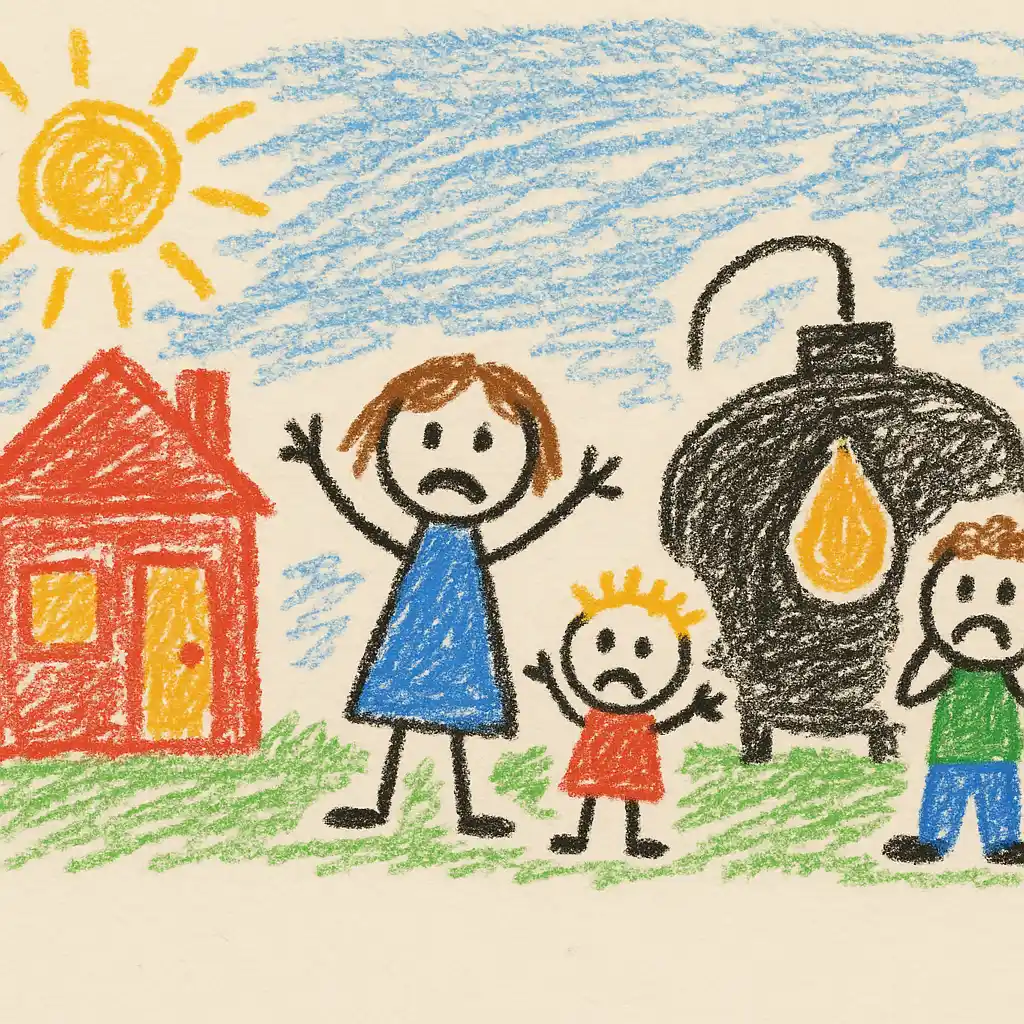
When people want to buy a house, they often don't have the full amount to pay upfront, so they take out a loan called a mortgage. The cost of borrowing this money is determined by the mortgage rate, which is the interest rate charged on the loan. Recently, these rates have risen significantly, making monthly payments higher for prospective homeowners. This change makes it harder for many people to afford homes, slowing down the number of houses being sold.
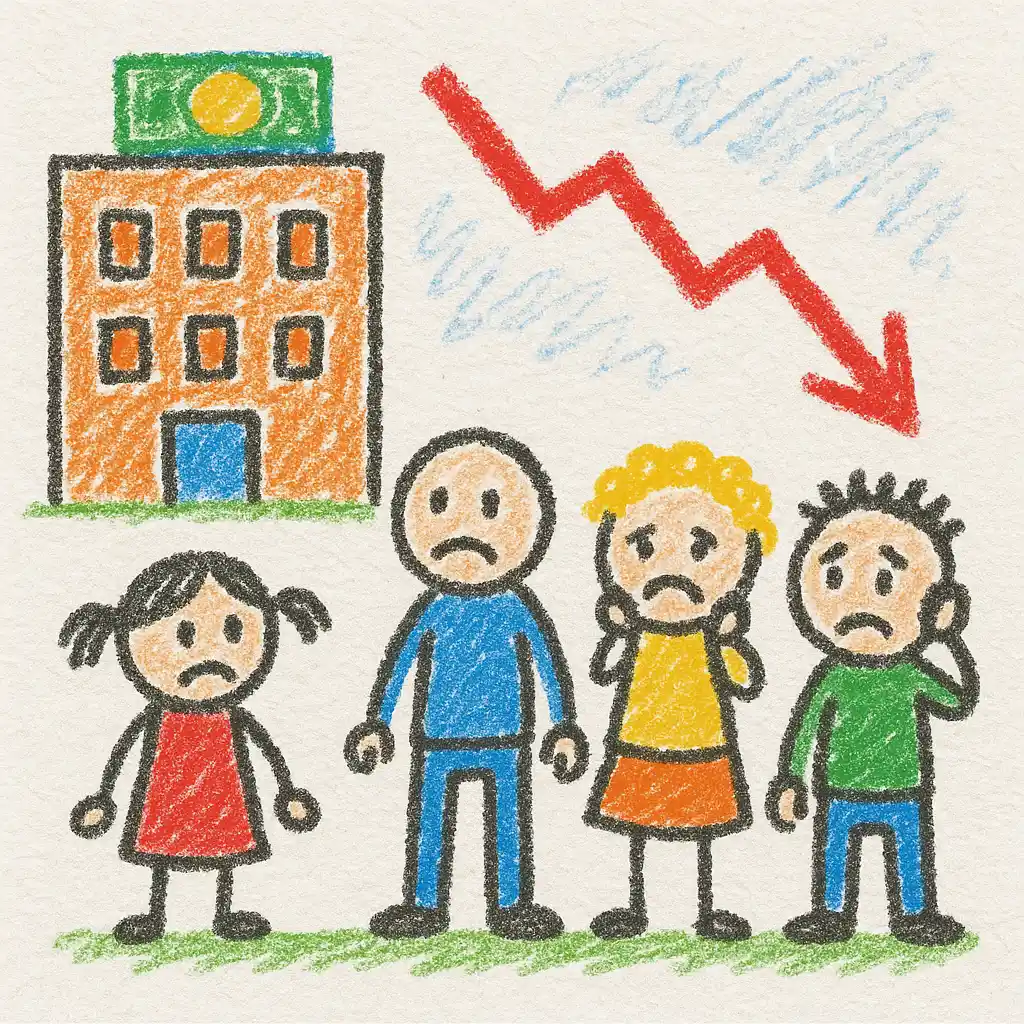
According to Zoopla, a property portal, about 60% of homes listed for sale since January haven't been sold. This is a marked increase in unsold homes, indicating a slowdown in the housing market. This situation could have broader economic implications. For instance, if fewer people can buy homes, then industries related to home buying, like construction and home improvement, might also experience slowdowns.
Experts suggest that high mortgage rates, influenced by efforts to control inflation and other economic factors, could continue to impact the housing market. If rates remain high, the market could cool further, leading to a decrease in home prices but also a decrease in home ownership rates. This situation is a critical watchpoint for economists and policymakers as it affects a significant part of the economy and many people's lives.
Want to read the original story?
View Original Source