Hospitals warned end-of-life care crisis threatening treatment
Explain Like I'm 5
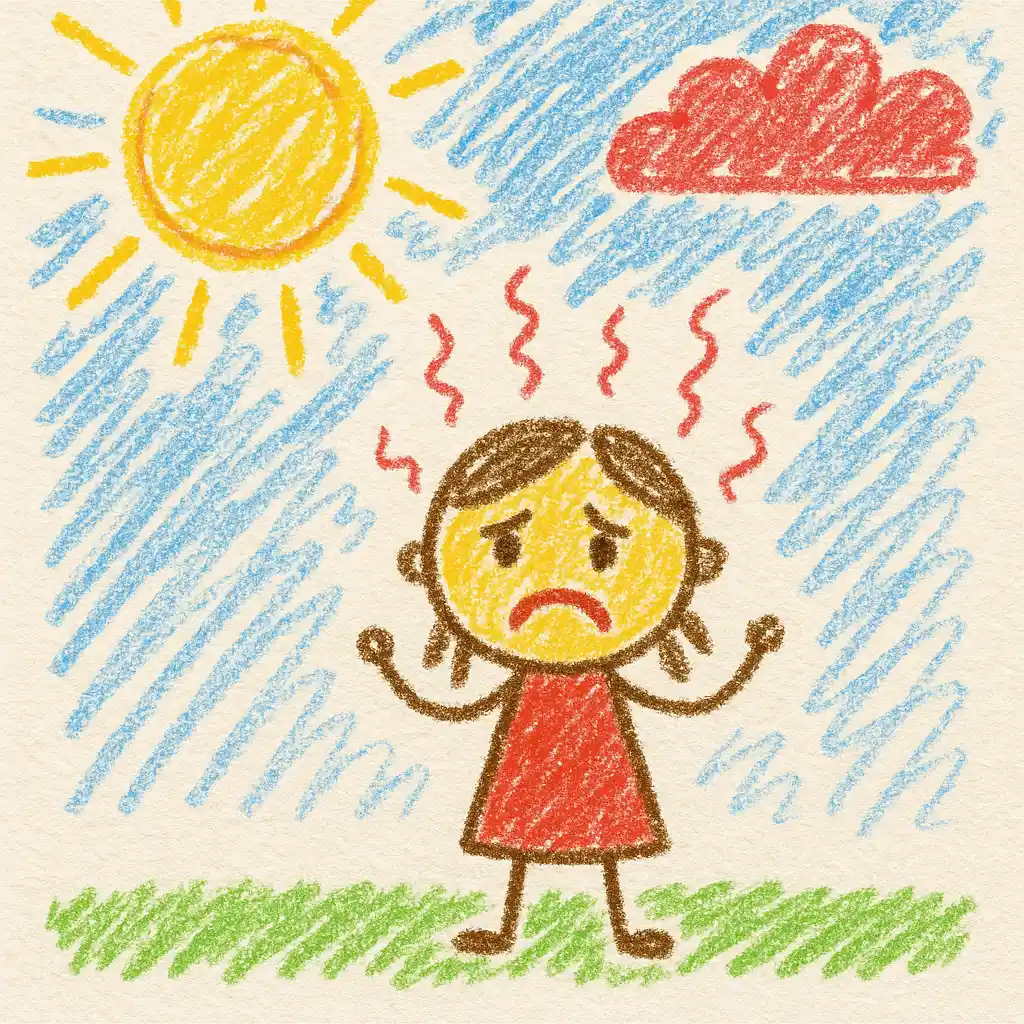
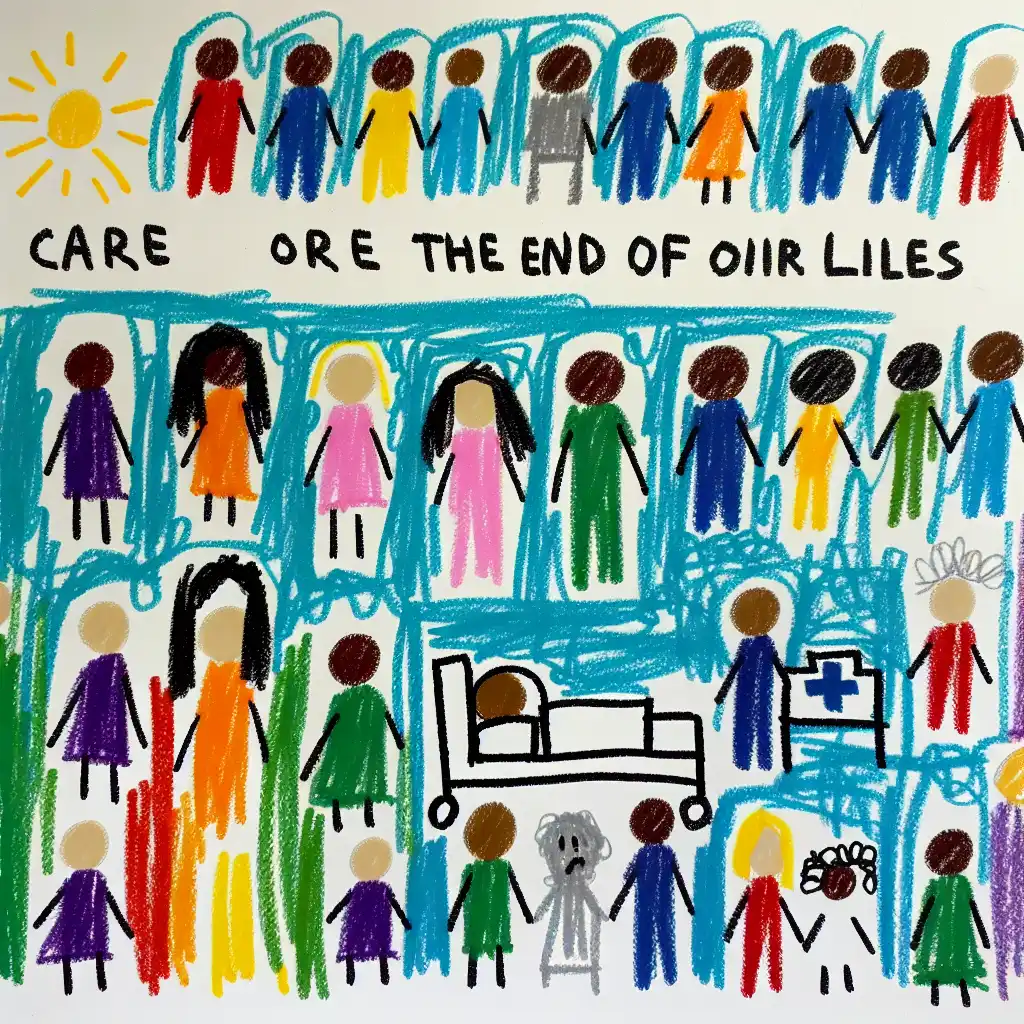
Imagine you have a box of crayons, but suddenly, everyone in your class needs a crayon at the same time. There aren't enough crayons for everyone, so some friends might have to wait a long time or can’t draw at all. This is kind of what’s happening in hospitals right now. There are a lot of people who need care, but there aren’t enough resources to help everyone as quickly as usual. This means some people, especially those who need a lot of care because they are very ill, might not get the help they need right when they need it. It’s like waiting longer for your turn with the crayons.
Explain Like I'm 10
Hospitals are like a team that helps sick people get better. But right now, there are more sick people than the hospital team can take care of easily. This is especially tough because it’s happening during winter, when more people tend to get sick from things like the flu. Some of these people need a lot of care because they are in the last part of their lives, which is called end-of-life care. Because there are so many patients and not enough resources like doctors and nurses, the hospital might struggle to give everyone the care they need. This can mean some people have to wait longer for treatment, and the care for those who are very ill might not be as good as it should be.
Explain Like I'm 15
Hospitals are facing a serious challenge this winter. There's an increasing number of patients needing medical attention, and this surge is putting a strain on resources. This includes staffing, hospital beds, and medical equipment. The situation is particularly critical for patients requiring end-of-life care—these are individuals who are in their final stages of life and need intensive support and comfort.
The timing is also problematic because winter often brings a spike in health issues like flu and colds, which adds to the number of people needing hospital care. The result could be that hospitals are unable to provide the necessary level of care to all patients, especially those in critical conditions. This has broader implications, not just for patient health, but also for how hospitals manage resources and staff. There’s a real concern about the quality of care that can be delivered under such strained conditions.
The situation calls for immediate attention from health authorities to manage and allocate resources more efficiently. It also highlights the need for long-term solutions to healthcare capacity, especially considering the potential for similar crises in the future. Experts are likely exploring various strategies to mitigate these issues, from increasing staffing levels to optimizing hospital operations.
Want to read the original story?
View Original Source