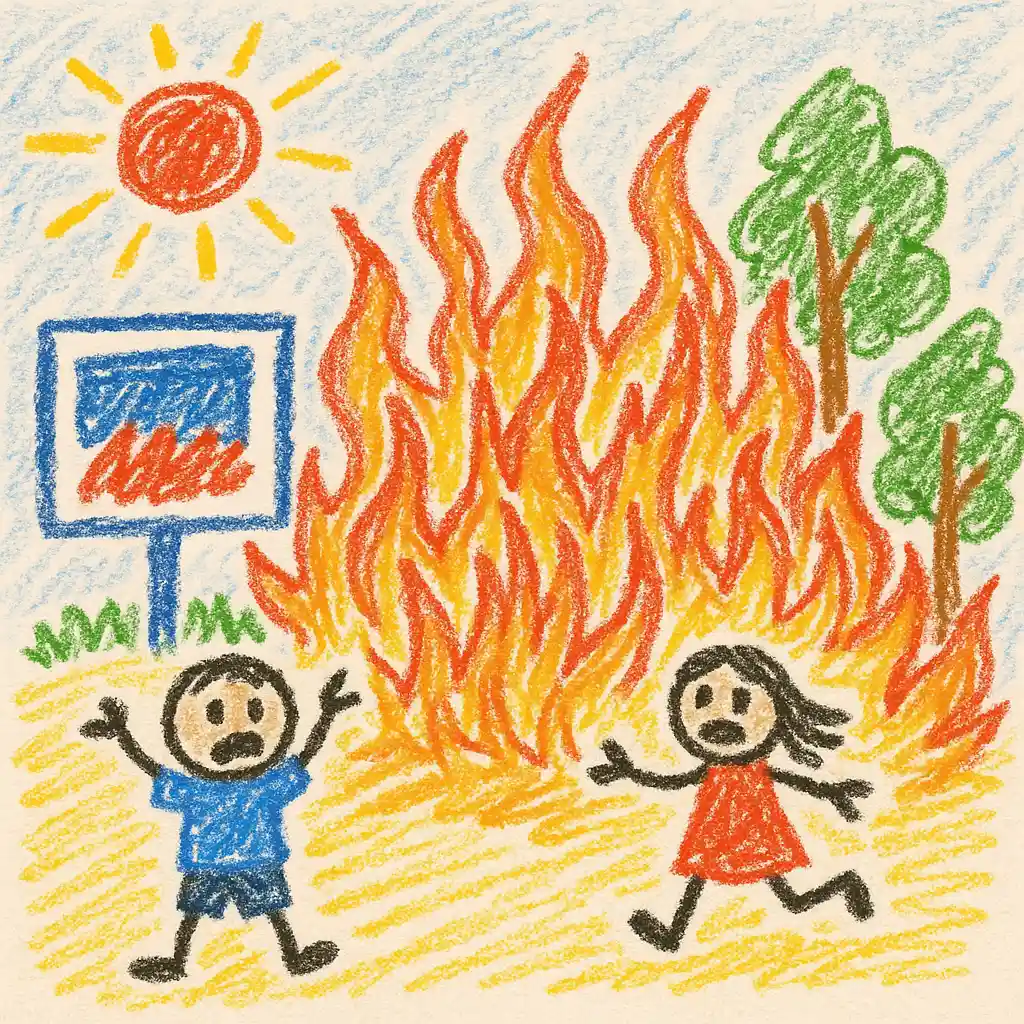
How Israel is destroying healthcare infrastructure in southern Lebanon
Explain Like I'm 5
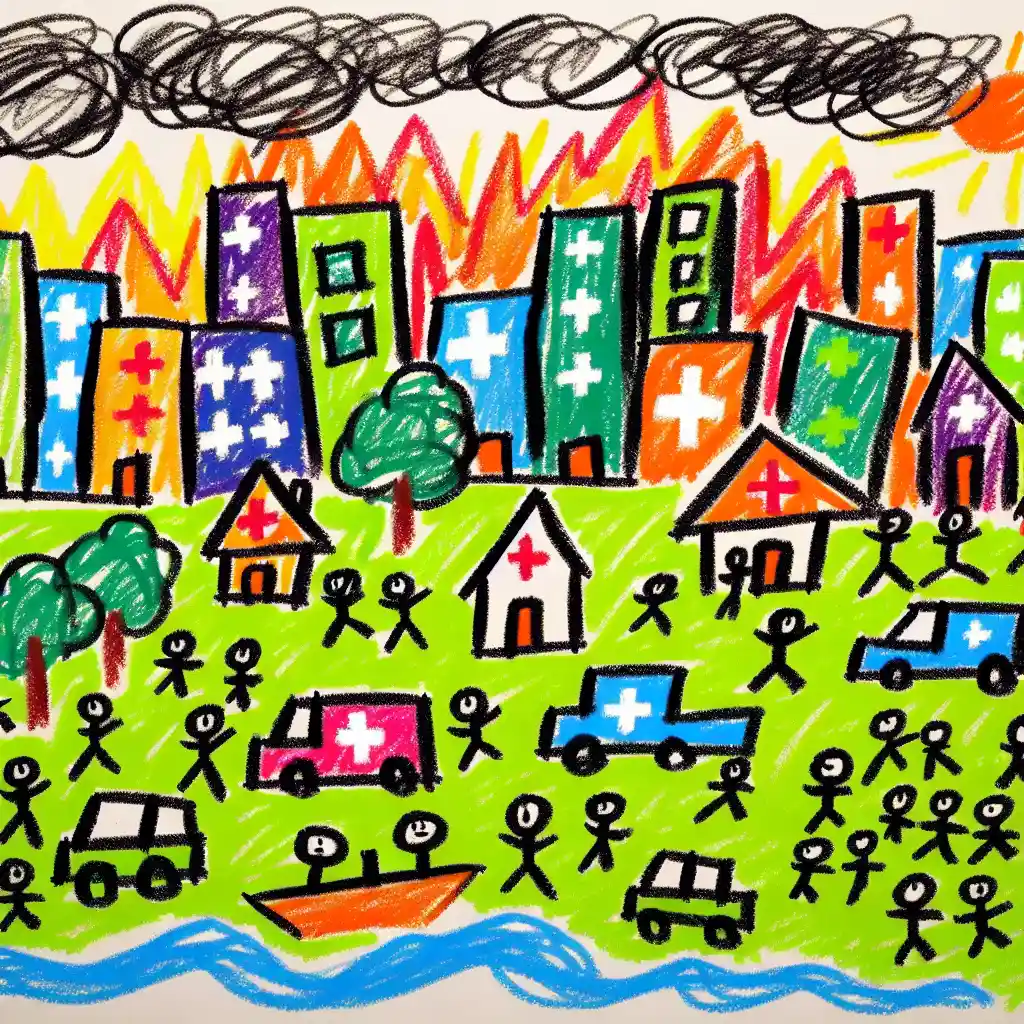
Imagine if you had a toy hospital where all your teddy bears and dolls go to get fixed when they're hurt. Now, imagine someone comes along and starts breaking parts of this toy hospital — the emergency room, the waiting area, and even scares away the toy doctors. This is kind of what's happening in a place called southern Lebanon. Israel has been damaging places where people go to get medical help, like hospitals and health centers. Because of this, many people are finding it hard to get the care they need when they're hurt or sick, and some even have to leave their homes to find a safer place.
Explain Like I'm 10
In southern Lebanon, there's a serious situation happening. Israel has been attacking buildings and people that are supposed to help others stay healthy, like hospitals and doctors. This means many people who need medical help can't get it because their local hospital might be damaged or the healthcare workers are too scared or hurt to work. Imagine having a terrible toothache or a bad cut and not being able to visit a doctor or dentist because the nearest clinic is either destroyed or closed. It's causing a big problem for the people living there, making them leave their homes and travel far to find safe, working hospitals. This is not just about buildings getting destroyed; it's about people being scared and hurt, and not being able to find the help they need right where they live.
Explain Like I'm 15
In southern Lebanon, a severe humanitarian issue is unfolding. Israel has been targeting healthcare infrastructure—meaning hospitals, medical centers, and healthcare workers. This destructive strategy not only physically demolishes buildings but also deeply impacts the overall health system's ability to function. People in need of medical care find themselves in a dire situation, with fewer places to turn for help, and healthcare professionals are either displaced, injured, or too intimidated to continue their work.
The timing of these attacks and their location in a region already strained by political and military tensions makes the situation even more complex. This isn't just about the immediate damage to buildings or the current health crisis; it's also about the long-term implications for the stability and recovery of the region. When hospitals are down, diseases can spread faster, emergency responses slow down, and preventive care stalls, leading to broader public health crises that can affect generations.
This ongoing conflict has roots in a long history of tension between Israel and Lebanon, with issues of territory, military power, and political control always simmering. The destruction of healthcare services in such contexts isn't just a casualty of war; it's a factor that can significantly influence the outcomes of these tensions. As for what happens next, much will depend on the responses from the international community, the potential for negotiations, or escalation of conflict. Experts are watching closely and are concerned about the humanitarian, political, and social repercussions that might unfold from this crisis.
Want to read the original story?
View Original Source