
How Sri Lanka is using drones to fight dengue fever
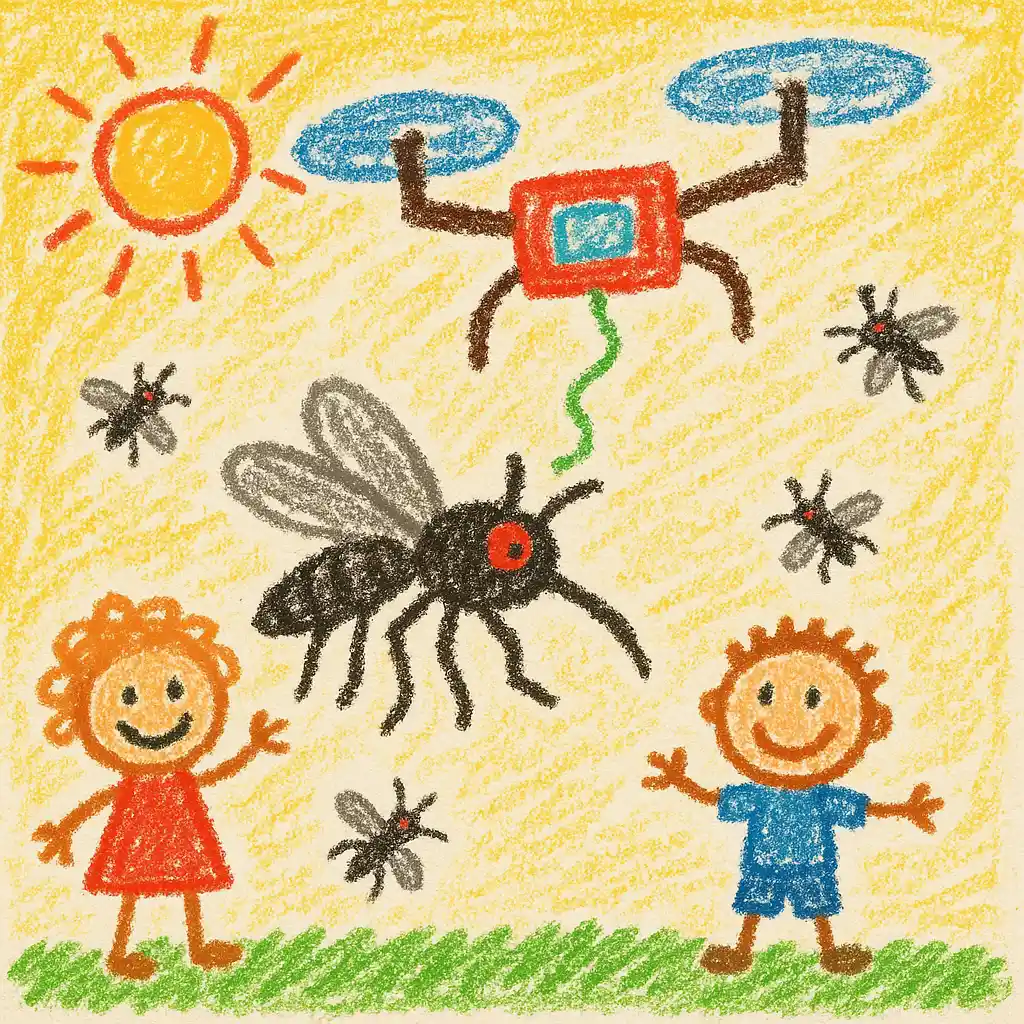
Explain Like I'm 5
Okay, imagine you have a big garden, and there are a lot of pesky bugs that keep biting you. Now, what if you had a magic flying robot (a drone) that could zoom around your garden, find those bugs, and help get rid of them? That’s kind of what Sri Lanka is doing! They’re using drones to help stop a nasty sickness called dengue fever, which is spread by mosquitoes.
This sickness has made a lot of people sick, so the drones are like superhero robots flying around to spray special stuff that makes the mosquitoes go away. The big takeaway? Drones are helping save people from getting sick by fighting the bugs!
Explain Like I'm 10
So, in Sri Lanka, dengue fever is causing a serious problem. This year alone, it has infected over 77,000 people and sadly, 56 people have died from it. Dengue is spread by mosquitoes, which makes them the sneaky villains in this story. To tackle this issue, Sri Lanka has decided to use drones—those flying machines that people often associate with taking cool pictures or delivering snacks.
The main players here are the Sri Lankan government, public health officials, and the drones, which are like tiny, flying health inspectors. Right now, the country is facing a dengue outbreak, and it needs a quick and effective way to control the mosquito population. Drones can cover large areas quickly, spraying insecticide in hard-to-reach places where mosquitoes like to hang out. This strategy is like having a superhero team that can swoop in, find the bad guys, and fix the problem before it gets worse!
Explain Like I'm 15
Dengue fever is a viral infection transmitted by mosquitoes, and it has become a significant public health concern in Sri Lanka. As of this year, the country has seen over 77,000 cases and 56 fatalities, indicating a serious outbreak. The government is scrambling to find effective ways to combat this crisis, which is why they are turning to technology—specifically, drones.
Drones offer a unique advantage in this scenario. They can access difficult terrains and cover large areas much faster than ground teams. By spraying insecticides from the air, they can target mosquito breeding sites that would otherwise be challenging to reach. This method not only speeds up the response time but also minimizes human interaction with potentially infected areas, which is crucial during health crises.
Historically, Sri Lanka has faced dengue outbreaks before, but the current situation is exacerbated by climate change and urbanization, which create ideal conditions for mosquitoes. The use of drones represents an innovative approach to an age-old problem, combining technology with public health initiatives.
Looking ahead, if the drone strategy proves successful, it could set a precedent for other countries grappling with similar challenges. Experts believe that integrating technology into public health responses is crucial for improving outcomes in epidemic situations. The implications extend beyond just mosquito control; they open up discussions about how we can leverage modern technology to tackle various health issues globally.
Want to read the original story?
View Original Source