How the Iran war affects your money and bills
Explain Like I'm 5
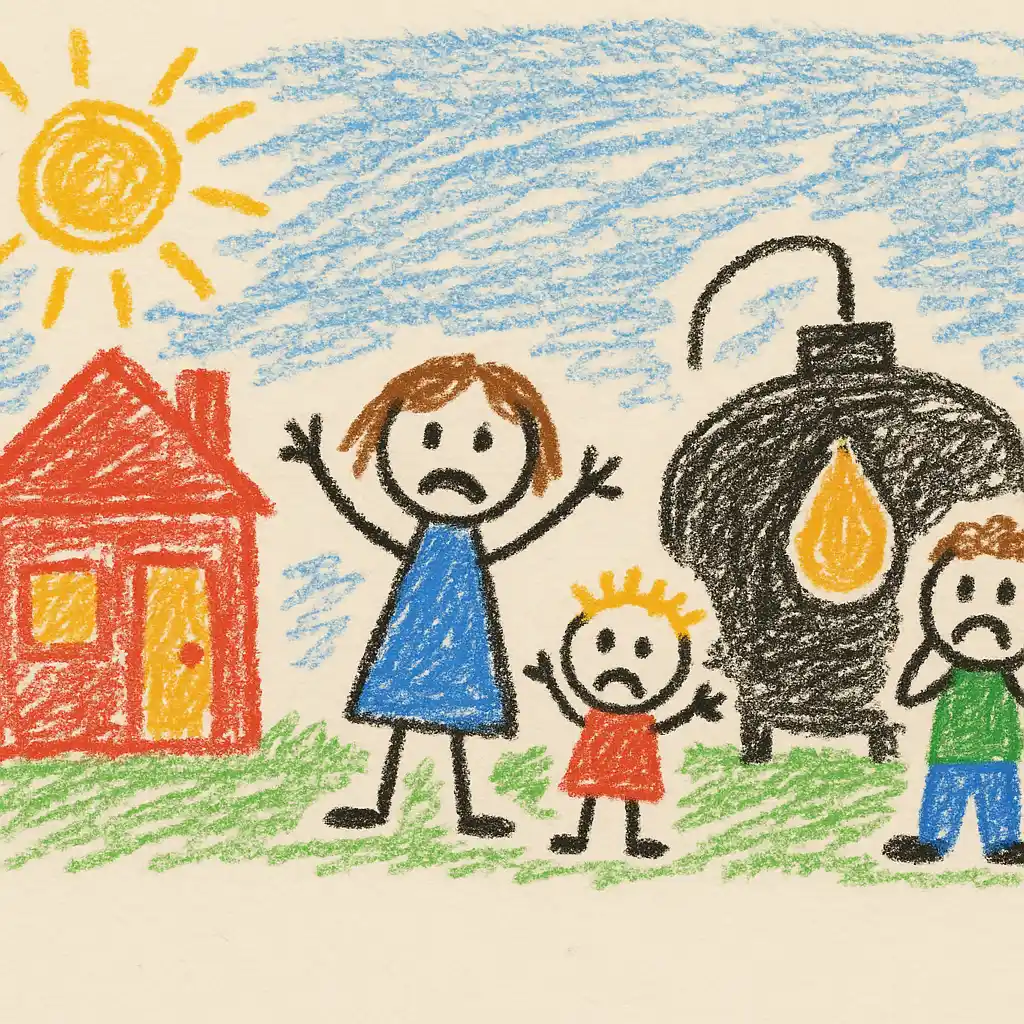
Imagine every time you go to the store with your piggy bank to buy your favorite candy, but this time, the price tag on the candy is higher than last time. This is kind of what's happening because of a big argument happening far away in a place called Iran. This argument has made the price of things like the gas for cars and even some foods go up. So, just like how you need more coins to buy your candy, your family might need to spend more money on these things too. It’s like when something gets rarer (like your favorite superhero toy), it usually costs more to get it!
Explain Like I'm 10
Okay, so you know how when there's a big fight in the playground, it can affect everyone, not just the kids who are fighting? That's a bit like what's happening because of a war in Iran. Iran is a country that's really important when it comes to oil – that's the stuff that gets turned into petrol for cars and can also affect how much we pay for electricity and heating at home. Because of the fighting, there's less oil coming out from that part of the world, which makes it more expensive. This means the cost to fill up your family's car with petrol goes up. Also, because transporting stuff like food can cost more when petrol prices rise, even your snacks and meals might start to cost a bit more. It's all connected like a big chain reaction.
Explain Like I'm 15
The war in Iran is impacting global markets, primarily through the disruption of oil supplies. Iran is key in the world's oil production, and any instability in the region can affect how much oil is available on the world market. This scarcity causes prices to increase. Higher oil prices mean higher petrol costs, and since petrol is essential for transportation, this impacts everything from the cost of driving a car to the price of goods in stores.
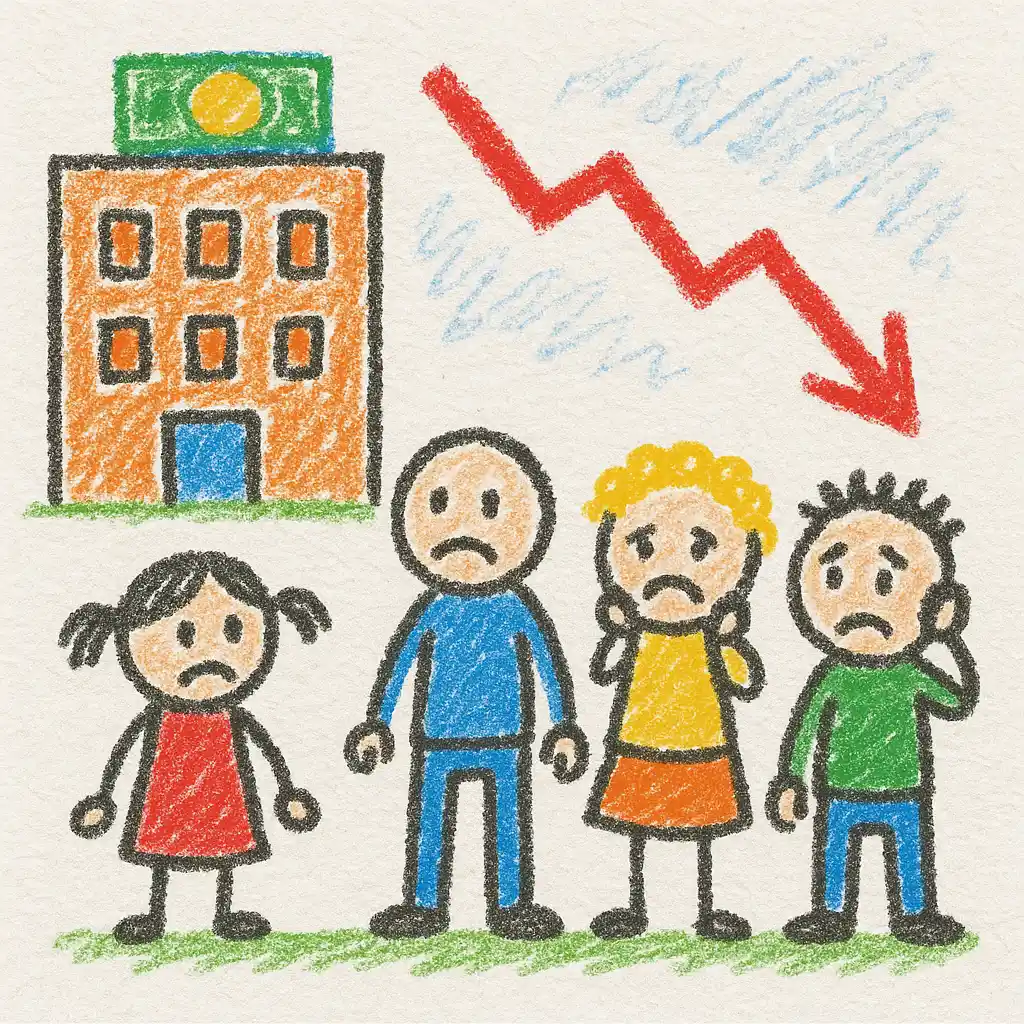
Furthermore, the cost of energy for heating and electricity is also tied to oil and gas prices. As these costs rise, it gets more expensive to heat homes or run businesses, leading to an increase in what households have to spend on their bills. This can also affect food prices, as the cost of transporting goods to supermarkets goes up, which in turn, can lead to higher prices at the checkout. Economically, this situation can lead to inflation, where the general cost of living rises, affecting just about everything you buy. As for what happens next, much depends on how the conflict evolves. If it resolves quickly, prices might stabilize, but if it drags on, high prices could become our new normal for a while.
Want to read the original story?
View Original Source