How the Iran war is wasting American resources
Explain Like I'm 5
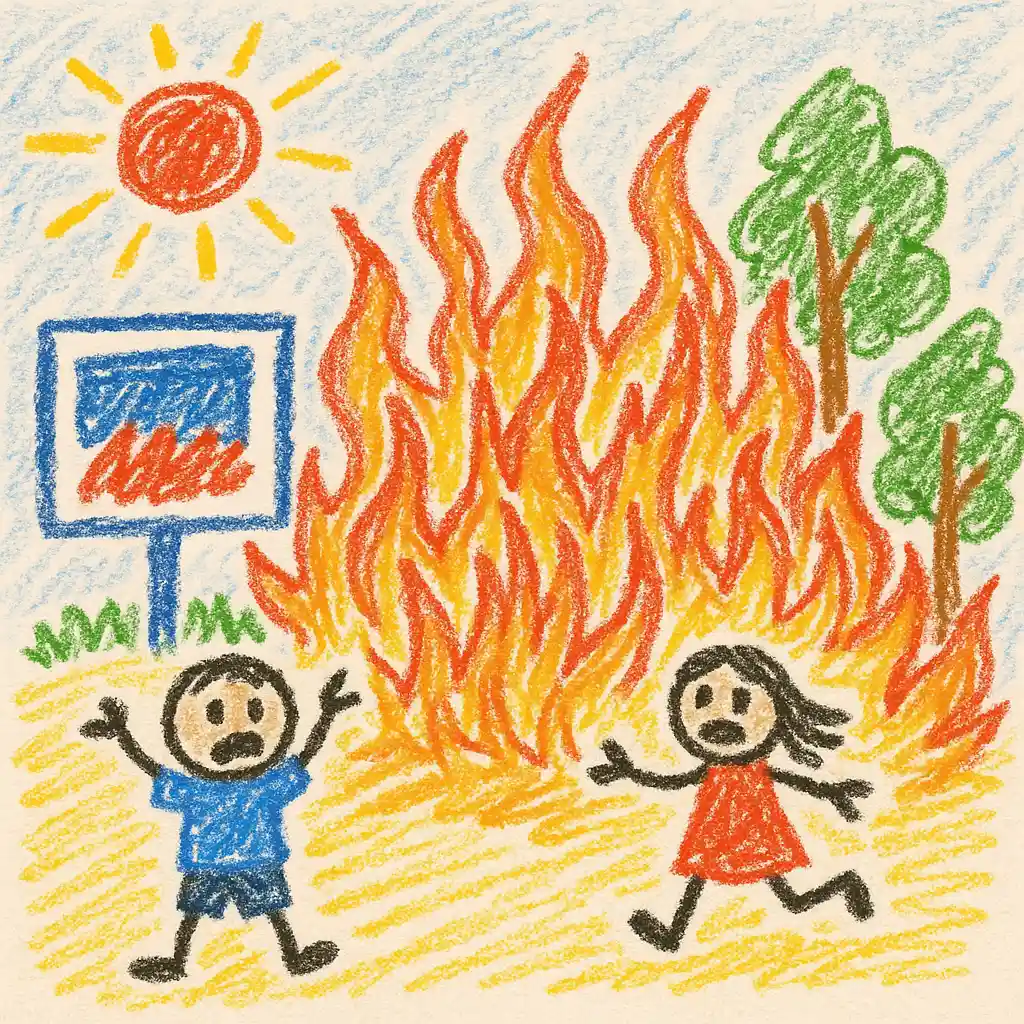
Imagine you have a big box of crayons. You love drawing pictures, but instead of using the crayons for your artwork, you keep giving them away to your friend who keeps breaking them. Soon, you have no crayons left to make your own art. This story is kind of like that but with America and its resources. America is spending a lot of its "crayons" (which here means money and other important things) on a war in Iran. And just like when you're left with fewer crayons to draw, America has fewer resources to use for other important things at home.
Explain Like I'm 10
Let's say you have a weekly allowance, but instead of spending it on things you really need, like new books for school or saving up for a cool bike, you spend it all on candy that melts before you even get to eat it. This is similar to what's happening with the Iran war. America is using a lot of its money and resources, like soldiers and equipment, in the war. This means there’s less money and fewer resources available for other important stuff, like schools, hospitals, and roads back in America. This story is about people discussing whether it's good to spend so much on the war when there are a lot of other things that need attention and funding at home.
Explain Like I'm 15
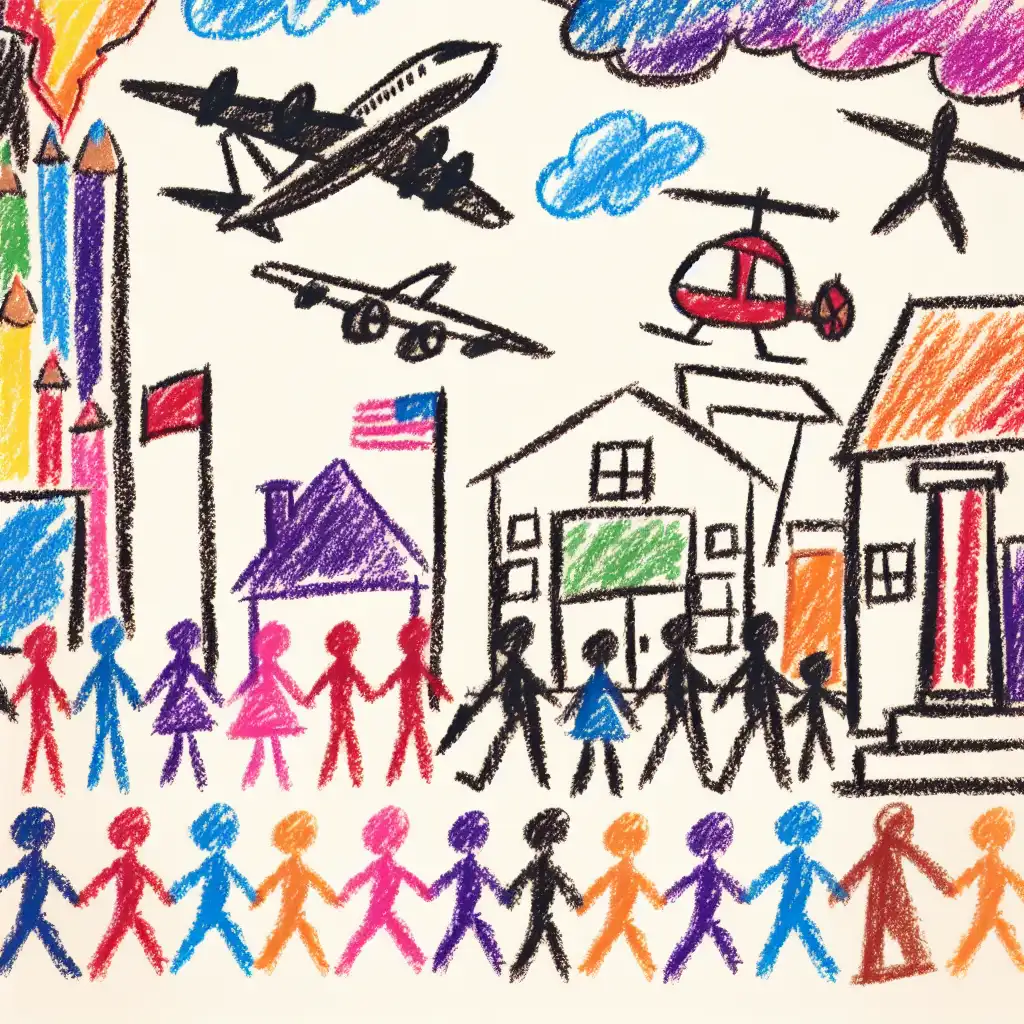
When a country gets involved in a war, it’s like redirecting a river’s flow: resources (money, manpower, technology) that could be used to enhance the nation's infrastructure, education, or healthcare get diverted into the military and defense. The ongoing conflict in Iran is a major focus, consuming vast amounts of American financial and material resources. This has sparked a debate about the efficiency and the long-term impacts of such commitments.
Economically, war can drain public treasuries, increase national debt, and can lead to inflation — which means everyday things can cost more money. Socially, it can strain families and communities with the absence or loss of loved ones. Politically, it can lead to changes in leadership or policies as public opinion shifts. This discussion in the news is about understanding these trade-offs, questioning whether the significant resources poured into the conflict could be better used domestically, and contemplating the broader implications of prolonged military engagement. Experts in economics and political science often analyze these scenarios to predict future trends and advise on policy. This story taps into these ongoing analyses and debates.
Want to read the original story?
View Original Source