Inflation unexpectedly steady as food price rises slow
Explain Like I'm 5
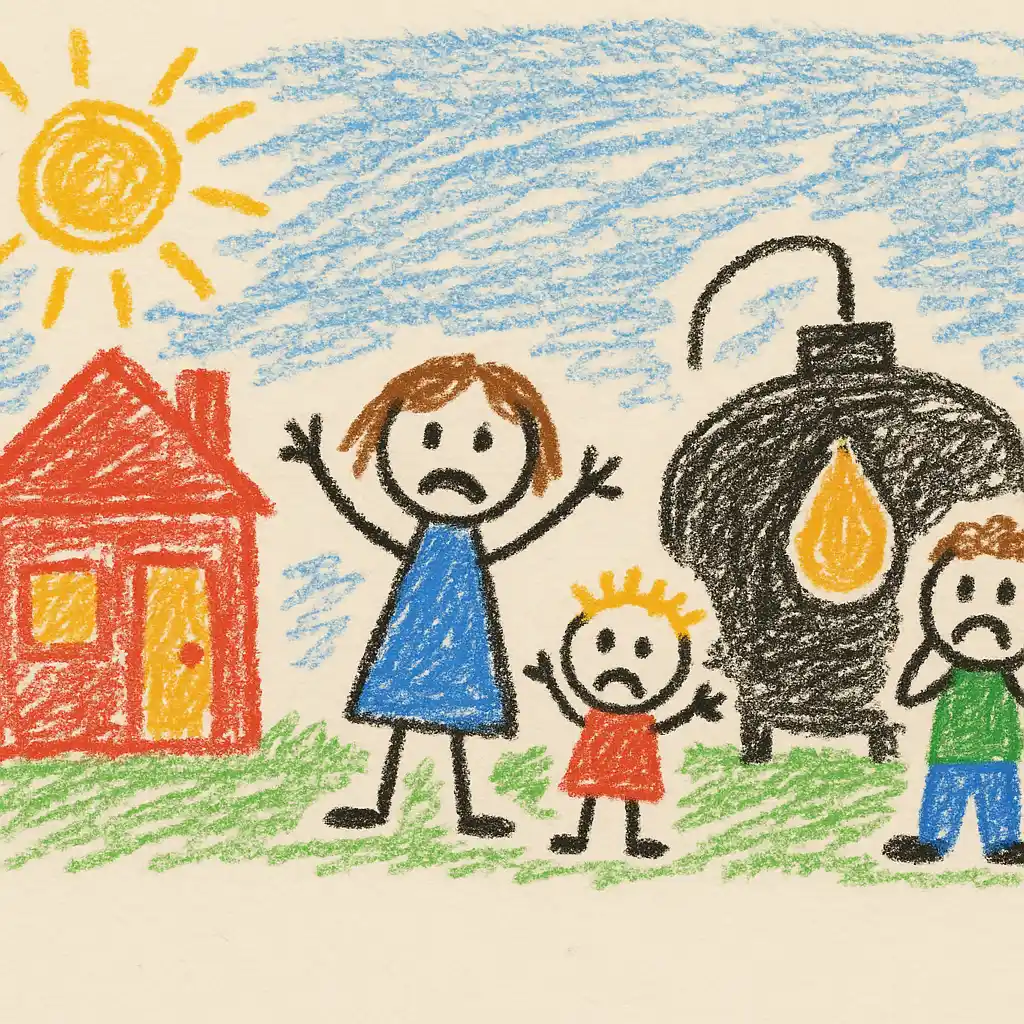
Imagine you have a piggy bank and every time you go to the store, you notice that toys cost a little bit more, so you need more coins to buy them. That's like inflation—when things cost more. But recently, even though toys (like cars that need petrol) started to cost more coins, snacks (like meat and veggies) didn’t go up too much. So, overall, you don’t need a lot more coins than before to get what you usually buy. That’s what happened recently with prices in the big people world: even though some things got pricier, others didn’t, so things balanced out!
Explain Like I'm 10
Inflation is when prices of things we buy, like food and clothes, go up. Recently, something interesting happened. Even though the cost to fill up a car with petrol (which is like the fuel for your scooter but for cars) went up, the money we spend on food like meat, milk, and vegetables didn't rise too much. The Office for National Statistics (that's a group of adults who count and measure all sorts of things to see how our country is doing) noticed this and said that because these changes balanced each other out, the overall inflation, or the general rise in prices, didn't change much. It's like if one foot steps up a stair while the other stays on the ground, you're pretty much at the same level.
Explain Like I'm 15
Inflation is a measure of how much prices for goods and services rise over time, impacting our buying power. Recently, analysts were surprised because inflation didn’t increase as they expected. Here’s why: while petrol (which is essential for transportation) prices increased, the cost of food items like meat, dairy, and vegetables rose more slowly than before. This data comes from the Office for National Statistics, which keeps an eye on price changes to help understand economic health.
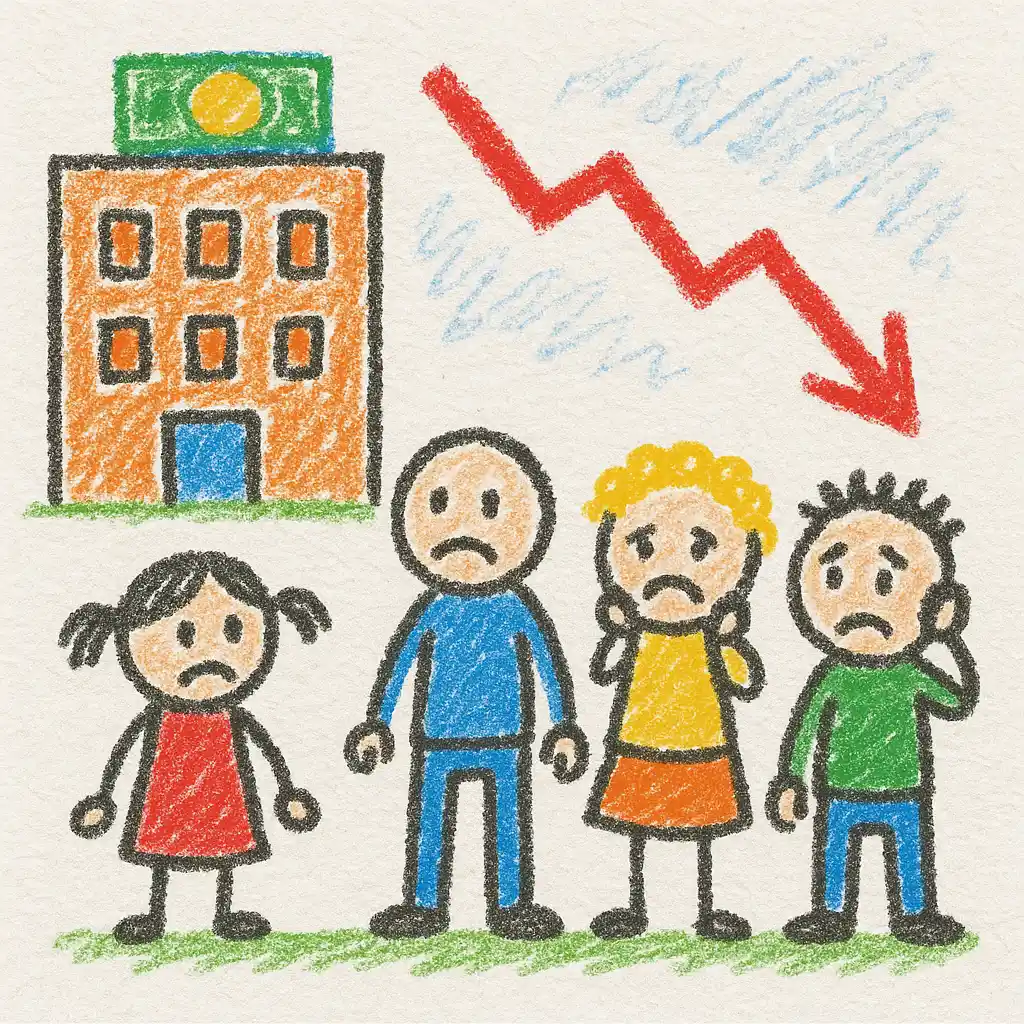
This balancing act between different types of prices is crucial because it affects everything from how much money families spend on necessities to government policy decisions. Economically, if inflation is too high, it can reduce the value of money and lead to problems like increased living costs without a matching increase in people's wages. On the other hand, too low inflation isn't ideal either, as it may reflect a slow economy. This recent data suggests that our economy is in a delicate balance, with rising costs in some areas being offset by stability in others, which could influence future decisions on things like interest rates (which are like the cost of borrowing money). Experts are keeping a close eye on these trends to predict what might happen next and advise on any needed policy adjustments.
Want to read the original story?
View Original Source