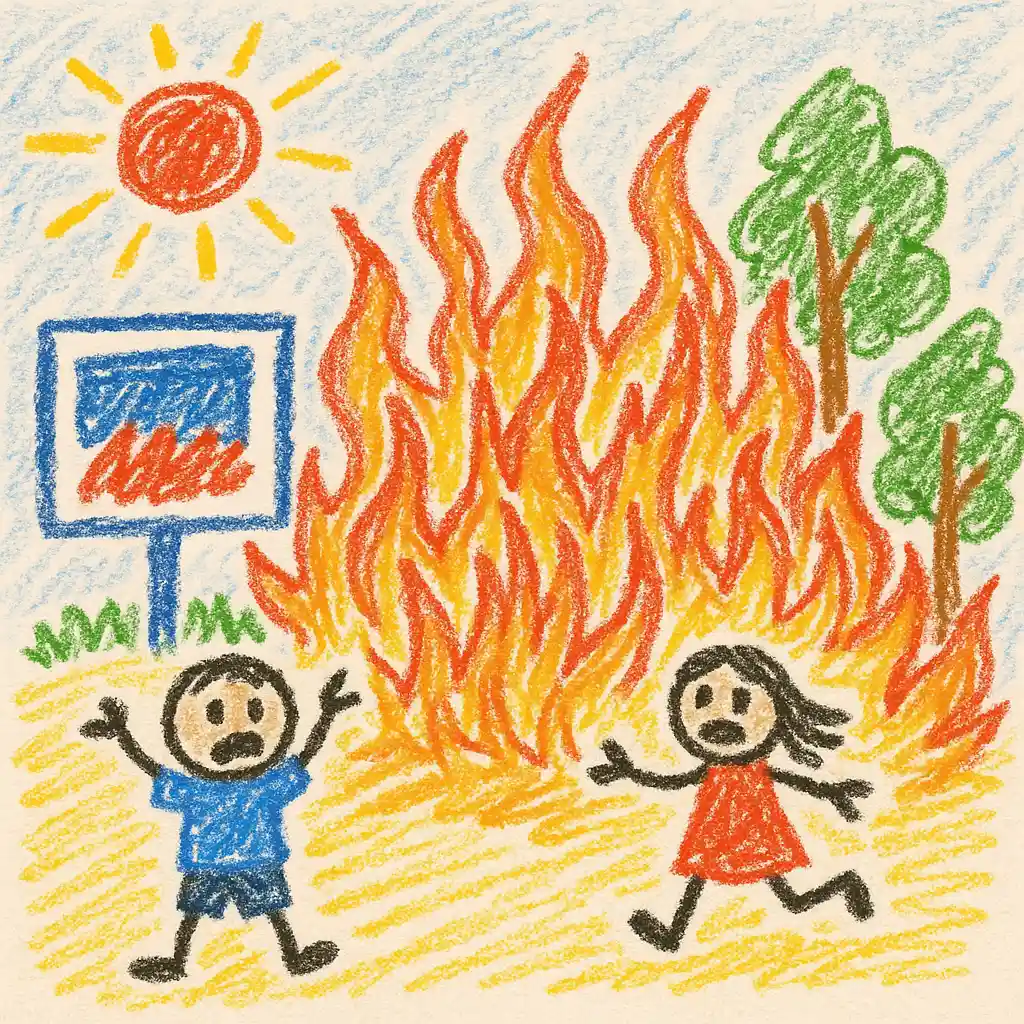
Iran begins public mourning for Ayatollah killed in February
Explain Like I'm 5
Imagine if you had a very big family gathering to remember a beloved grandparent who was very wise and important to your family. In Iran, there's a similar big event happening. A very important religious leader named Ayatollah Ali Khamenei passed away, and now lots of people are coming together to remember him. They're going to have his body in a big public place in Tehran, the capital city, so people can come and say goodbye. This is a way for everyone to show respect and remember all the things he did.
Explain Like I'm 10
In Iran, a very important religious leader, Ayatollah Ali Khamenei, who passed away in February, is being mourned by the public. His body will be placed in a big hall in Tehran, the capital of Iran, so people can come and pay their respects. This event is a big deal because Ayatollahs are like top teachers or guides in the religion of Islam, specifically in a branch called Shia Islam, which is the main religion in Iran.
This mourning is happening now, months after his death, because in many cultures, including Iran's, there are specific traditions that guide how and when to remember someone who's passed away. The public can see his body starting Friday, and there will be several days of events to say goodbye. This is a way for the community to come together, remember his contributions, and say farewell in a respectful way.
Explain Like I'm 15
Ayatollah Ali Khamenei, a central figure in Iranian and Shia Islamic leadership, passed away in February, and his death is a significant event for Iran and its people. Starting this Friday, his body will lie in state at the Grand Mosalla in Tehran, an important ceremonial site. This marks the beginning of several days of mourning events, reflecting the deep respect and significant role he played in the religious and political life of the country.
The role of an Ayatollah in Shia Islam is profound, as they are not only religious leaders but also political influencers, guiding public opinion and national policies. In Iran, the relationship between religion and state is intertwined, with religious leaders often holding substantial power in government matters. The mourning period is not only a reflection of his religious standing but also his political influence.
Historically, the death of a prominent leader like Khamenei can lead to a period of uncertainty and transition. It's a time when new leaders emerge and existing ones consolidate power. Internationally, it might affect Iran's relations with other countries, depending on how leadership transitions occur and how new policies are shaped. The next few days and weeks will be critical in understanding the future direction of Iran both domestically and internationally.
Want to read the original story?
View Original Source