Iran's war propaganda includes memes directed at Trump
Explain Like I'm 5
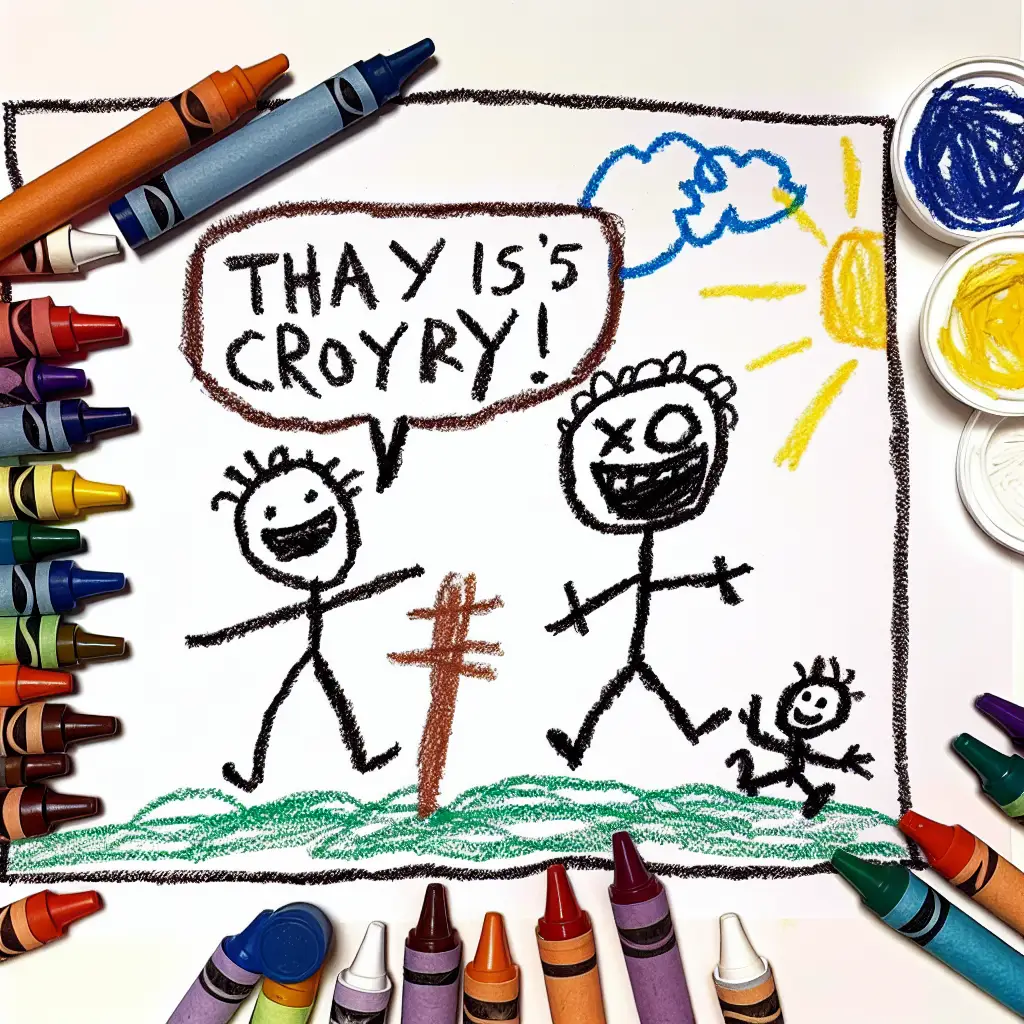
Imagine if you and your friends were playing in the sandbox and you weren't happy with one of them. Instead of throwing sand or shouting, you decide to draw funny pictures of them in the sand to show you're upset. This is kind of like what's happening with Iran. They're not happy with a man named Donald Trump and his friends, so they're using the internet to post funny or teasing pictures and videos about him, instead of just arguing or fighting. It's a way to show they're upset without using actual fights.
Explain Like I'm 10
So, Iran and the United States haven't been getting along very well, especially when it comes to how each country wants to handle big world problems. Donald Trump, who was the President of the United States, made some decisions that Iran didn't like. Instead of just talking about it or using traditional ways of showing they are unhappy, Iran started using something called memes. These are like the funny images and videos you might see on the internet that make you laugh, but they're being used to send a message or make a point about Trump and his policies.
This isn't just kids' stuff; it's actually a pretty serious way of communicating in our modern world. By sending these memes around the internet, Iran is trying to influence what people think about these big, complicated issues. It's a bit like when you use a drawing or a story to express how you feel about something instead of just saying it out loud.
Explain Like I'm 15
In the realm of international relations, countries have always had ways of expressing discontent or rivalry, from formal diplomatic statements to outright conflict. However, the digital age has introduced new methods of communication and expression, such as memes and social media, which are now being used as tools in these global interactions. Iran, for instance, has been employing memes targeted at former U.S. President Donald Trump as a form of digital warfare or propaganda. This approach is particularly significant given the tensions stemming from Trump's policies towards Iran, including severe economic sanctions and the withdrawal from the Iran nuclear deal.
These memes are part of a broader strategy known as "soft power" or "information warfare," where countries try to sway public opinion or international perception without using military force. By targeting Trump, Iran aims to criticize and undermine his decisions and reputation on a global stage, influencing both domestic and international audiences.
This tactic also reflects the changing landscape of how conflicts and diplomacy are being conducted in the 21st century. It's not just about missiles and economic sanctions anymore; digital content and internet virality can also be potent weapons. As we move forward, understanding and responding to this kind of diplomacy will be crucial for global leaders and policymakers. The implications of such strategies are still unfolding, but they certainly mark a new chapter in international relations, where memes might be as impactful as traditional diplomatic efforts.
Want to read the original story?
View Original Source