Iran war impacts heating oil bills for homeowners
Explain Like I'm 5
Imagine every winter you need a big box of crayons to color and keep your drawings warm, but suddenly, there's a big fuss at the crayon factory. Because of a big argument far away, the factory can't make as many crayons. Now, everyone still needs their crayons, but because there aren't enough to go around, they become super special and expensive. This is what's happening with heating oil because of a war in a place called Iran. People use this oil to keep their houses warm, and now it's getting pricier because it's harder to get. So just like those crayons, when there's not enough to go around, people have to pay more to keep warm!
Explain Like I'm 10
Alright, so heating oil is like the fuel you put in a car, but instead, it's used to keep houses warm. Now, Iran, a country far away, is involved in a war. Iran is important because it's one of the places that help produce a lot of the world's oil. When there's fighting, it can be really hard to get oil from there to other places. Because of this war, getting oil has become trickier and more expensive.
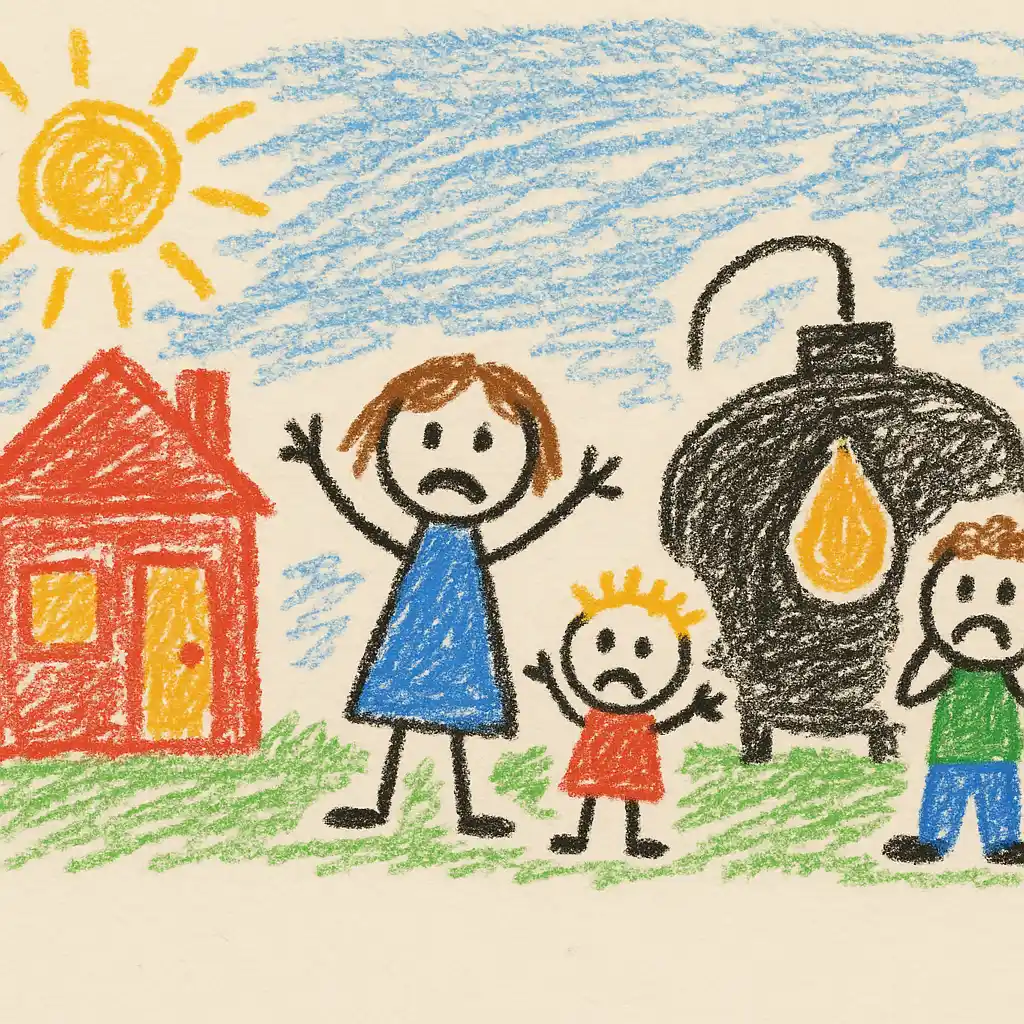
Homeowners who use this oil to heat their homes are feeling the pinch. Some of them are saying their bills for heating oil have more than doubled—that means if they were paying $100 before, now they're paying $200 or even more. It's like when a popular toy is in short supply around Christmas; the price shoots up because everyone still wants it, but there aren't enough to go around.
Explain Like I'm 15
Now, let's dive deeper. Iran isn't just any country; it's one of the biggest oil producers in the world. The oil market is like a giant web connecting countries and companies around the globe. When something big happens in one part of this web, like a war in Iran, it shakes everything up. This war has led to fears about how much oil can be safely and reliably supplied to the rest of the world.
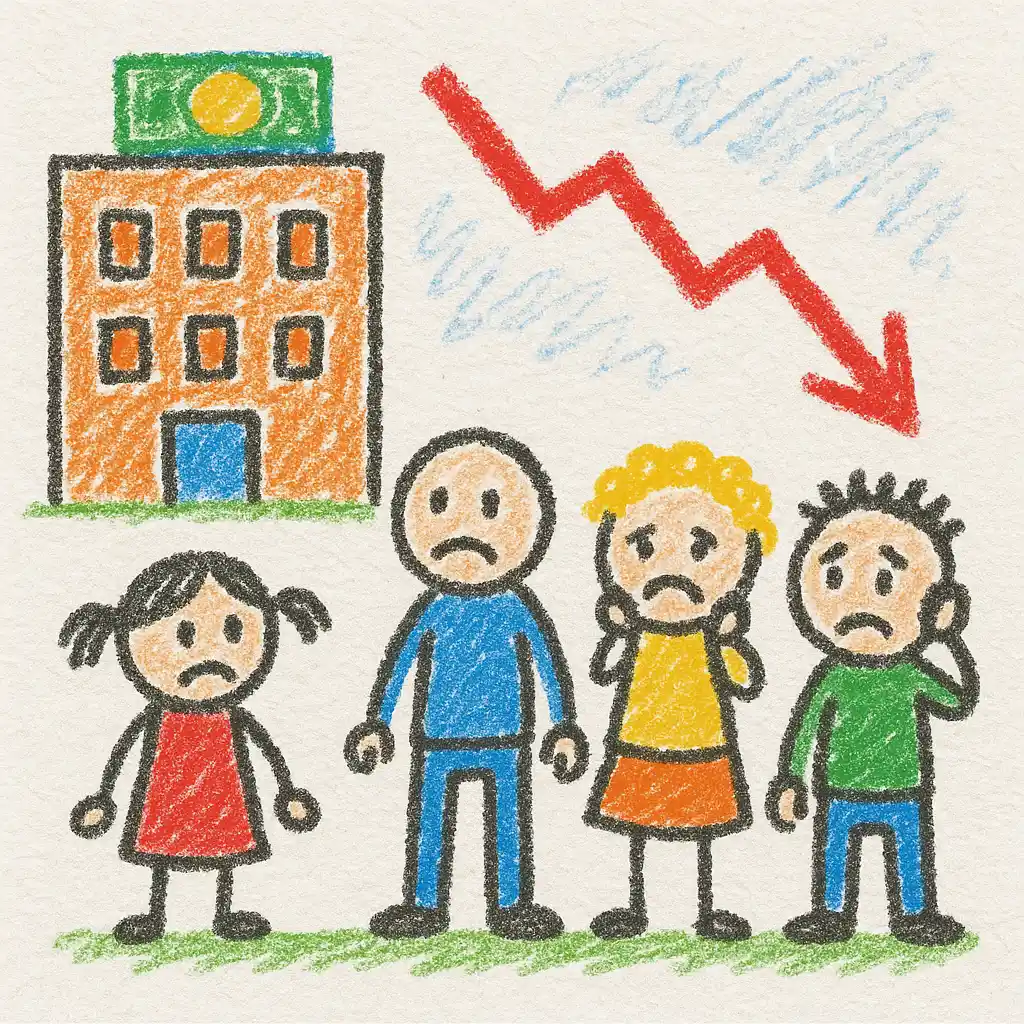
As a result, the price of heating oil, which many homeowners rely on, especially in colder regions, has skyrocketed. Imagine if your monthly budget suddenly needed to cover twice the amount you normally spend on heating during winter—that's a big deal, right? This situation isn't just about cold homes; it affects how much money families have left for other things, like food and clothes.
Economically, this could lead to people spending less on other goods, which can slow down the economy. Socially, it hits lower-income families harder, widening the gap between the rich and the poor. Politically, it can lead to calls for changes in energy policy or even international relations. The broader implications are significant, and what happens next could shape not just the oil market, but global economics and politics. Experts are keeping an eye on this, knowing that the ripple effects could last for a long time.
Want to read the original story?
View Original Source