Iran war latest: Hegseth says today marks heaviest bombing yet

Explain Like I'm 5
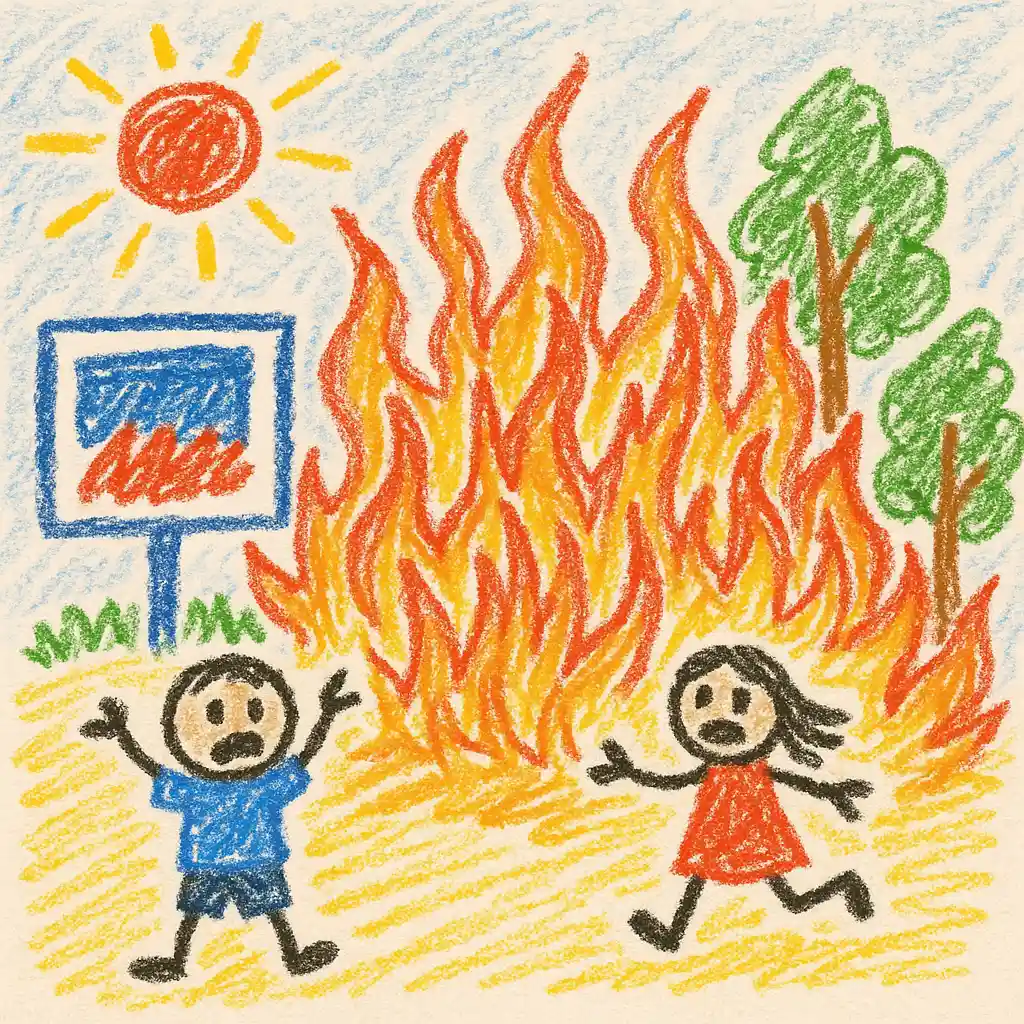
Imagine if you had a big box of crayons, but someone else wanted to use your favorite colors and wouldn't ask nicely. Instead, they started throwing their crayons around, making a big mess. This is a bit like what's happening in a place called Iran, where there's been a lot of fighting happening. Recently, Pete Hegseth, who helps make decisions about America's military, said that the U.S. had to use their "crayons" in the biggest way yet to try to fix things. This has made a lot of people nervous, especially because where they are fighting is important for getting oil, which is like the juice that helps cars and factories run smoothly.
Explain Like I'm 10
In the country of Iran, there's been some very serious fighting going on for the last 11 days. The U.S., led by a man named Pete Hegseth, who is the Defense Secretary, just did the biggest bombing there yet. This area is really important because it's one of the main paths for oil to travel around the world, kind of like a big water slide where oil slides from one country to another. But now, because of all the fighting, this "water slide" is blocked, and it's causing problems for people who need the oil to make their cars go and factories work. This is making the price of oil go up, and it's making a lot of people around the world very nervous about what's going to happen next.
Explain Like I'm 15
The situation in Iran has escalated significantly. Defense Secretary Pete Hegseth announced that the U.S. conducted its most intense bombing in the ongoing conflict, which has now lasted for 11 days. This escalation is particularly concerning because it affects the Strait of Hormuz, a critical chokepoint through which about 20% of the world's oil supply passes. With the strait being effectively closed due to military actions, global oil markets are in disarray, leading to increased prices and economic anxiety worldwide.
The conflict’s origins and implications are complex, involving a mix of geopolitical interests, regional security concerns, and the global economy's stability. This recent military escalation by the U.S. highlights the severe tensions in the region and the potential for broader international consequences if the conflict continues or worsens.
The immediate effects are already being felt in the energy sector, but the long-term consequences could extend far beyond, potentially affecting global economic stability and international relations. Experts are closely watching the situation, analyzing the strategic moves of involved countries, and trying to predict possible outcomes. What happens next could be crucial not just for the Middle East, but for the entire world, influencing diplomatic relations and economic policies in many countries.
Want to read the original story?
View Original Source