Iran war sees holidaymakers stay closer to home
Explain Like I'm 5
Imagine you have a piggy bank where you save coins to buy a big, shiny toy. But one day, the price of the toy goes up, and now it costs more coins than you have. You might decide to buy a smaller toy instead, so you don’t have to wait too long. In the real world, something similar is happening with people who want to go on vacation. Because there is a war happening in Iran, traveling to far places like Spain has become more expensive and a bit scary for some people. So, instead of going far away, they are choosing to go to places closer to home where it’s cheaper and they feel safer.
Explain Like I'm 10
Imagine planning a trip to a theme park but finding out that ticket prices have doubled and there are rumors of it being less safe. You might decide it's better to visit the local park instead, right? This is what's happening because of the war in Iran. The war has caused a lot of uncertainty and made costs for things like flying increase. People who wanted to go to far-off places like Spain for their holidays are changing their plans. One man mentioned that he canceled his holiday to Spain because it’s now more expensive and feels less certain. So, he and many others are choosing to travel to places closer to home to save money and avoid risk.
Explain Like I'm 15
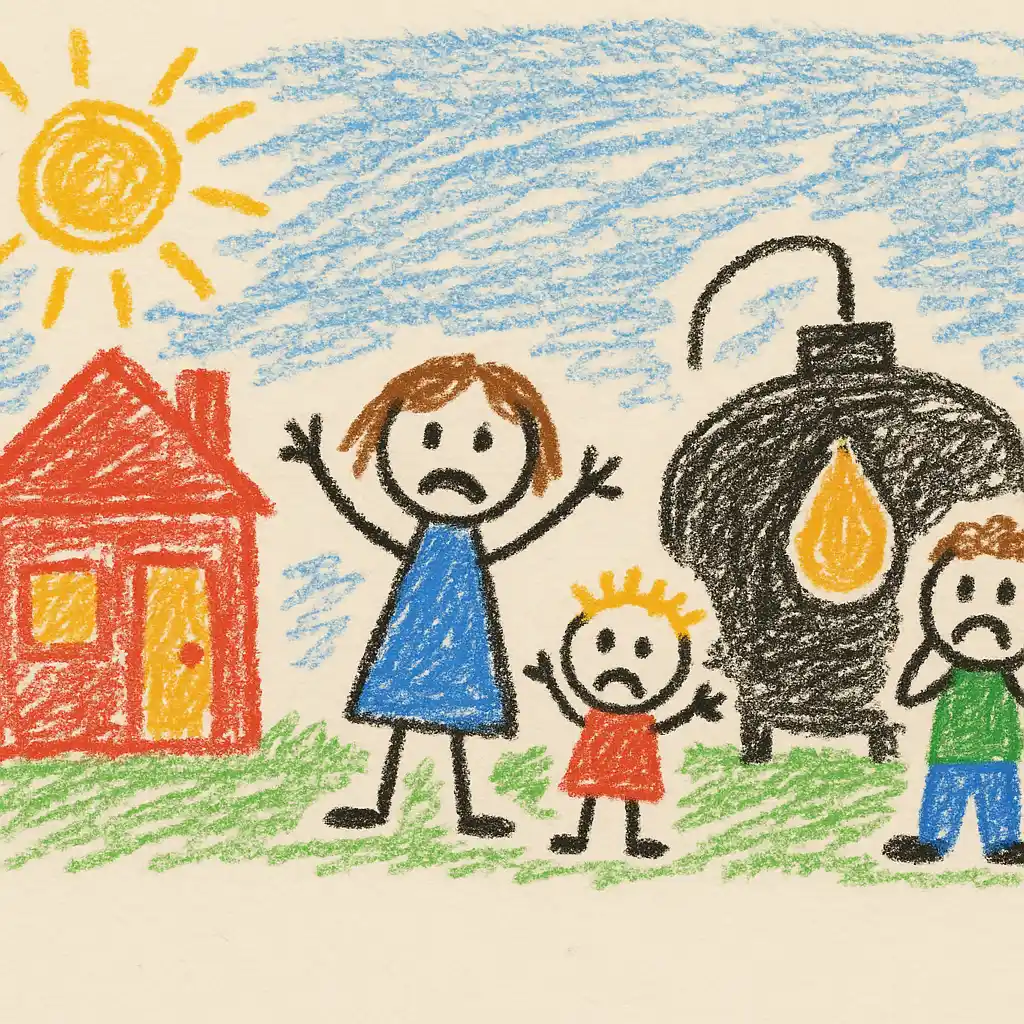
The conflict in Iran has broader implications than just news headlines; it's directly affecting how and where people choose to spend their holidays. Wars can lead to increased oil prices, which in turn make air travel more expensive. There’s also a general feeling of uncertainty and fear about safety, particularly in regions close to conflict zones. As a result, many holidaymakers are opting to stay within their own country or travel to nearby destinations instead of planning trips to far-off places like Spain.
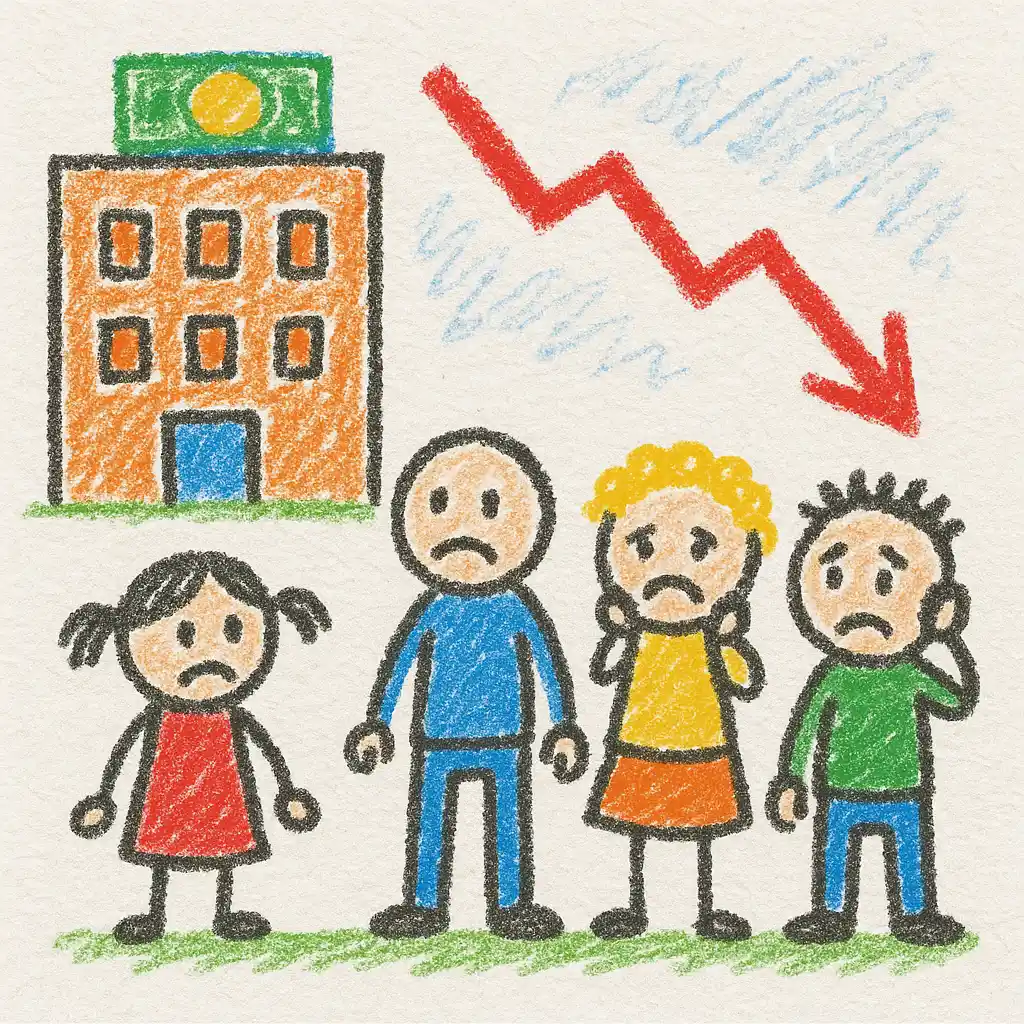
Economically, this shift can affect countries that rely heavily on tourism. For Spain, fewer tourists means less income from hotels, restaurants, and attractions, which can hurt their economy. On the flip side, local tourism spots closer to home might see a boost, which could be good for local businesses.
Historically, we’ve seen similar patterns in tourist behavior during times of conflict or economic hardship. People prioritize safety and budget over exotic destinations. As the situation in Iran continues, the impact on global tourism and local economies could deepen, depending on how long the conflict lasts and how widely its effects are felt in the global economy.
Want to read the original story?
View Original Source