
Is the US at war with Iran again?
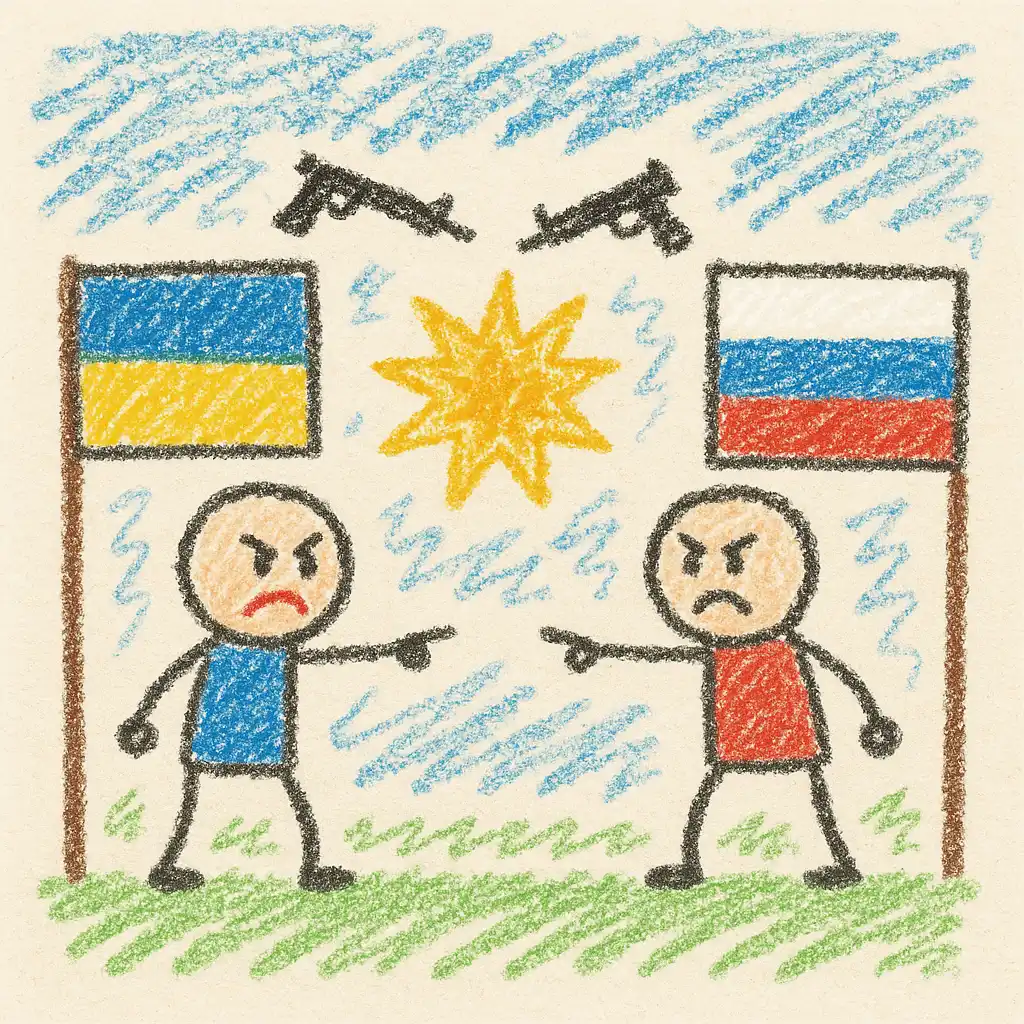
Explain Like I'm 5
Imagine you're playing in the sandbox and suddenly, you and your friend start arguing about who gets to play with the big red truck. You both start tossing sand at each other, even though you were playing nicely before. This is a bit like what's happening between the U.S. and Iran. They've started to have a big argument and have tossed some "sand" at each other for two days in a row. This doesn't mean they are in a full-blown "sandbox war," but they are definitely not happy with each other and are showing it by not sharing their toys nicely.
Explain Like I'm 10
So, think about it this way: the U.S. and Iran have been like two kids who have a long history of not getting along very well. Sometimes they manage to play together quietly, but often, they end up fighting. Recently, the U.S. has launched attacks on Iran for two days in a row. This has made their already shaky relationship even rockier.
Now, just because they've started fighting again doesn't mean they are in a full war like you'd learn about in history class. It's more like a very serious argument where each side is showing their displeasure through actions rather than words. This situation is serious because it could lead to more problems, and it affects other countries too, much like when a fight in the schoolyard draws in a crowd of other kids who might get involved.
Explain Like I'm 15
The relationship between the U.S. and Iran has been complex and strained for many decades. Think of it as a long-standing rivalry between two old, powerful clubs at school. Recently, the U.S. conducted airstrikes against Iran for two consecutive days, signaling a severe escalation in their ongoing tensions. This isn't an outright war, but it's certainly an aggressive exchange that could lead to more severe consequences.
This conflict didn't just pop up overnight. It's rooted in a series of political, social, and economic disagreements that date back to significant events like the Iranian Revolution in 1979 and the U.S. embassy hostage crisis. These historical events have left a lot of bad blood and mistrust between the two countries.
The current escalation could have various implications, including impacting global oil prices since Iran is a major oil producer and the conflict region, the Strait of Hormuz, is a critical passage for global oil shipments. Economically, this could affect everyone, not just those directly involved in the conflict. Politically, it could lead to shifts in alliances and affect international relations on a broader scale. The next steps are uncertain, and experts are keeping a close eye on how this situation will unfold, advising on potential strategic moves and diplomatic solutions to avoid a larger crisis.
Want to read the original story?
View Original Source