Japanese people brave snow to vote in snap election
Explain Like I'm 5
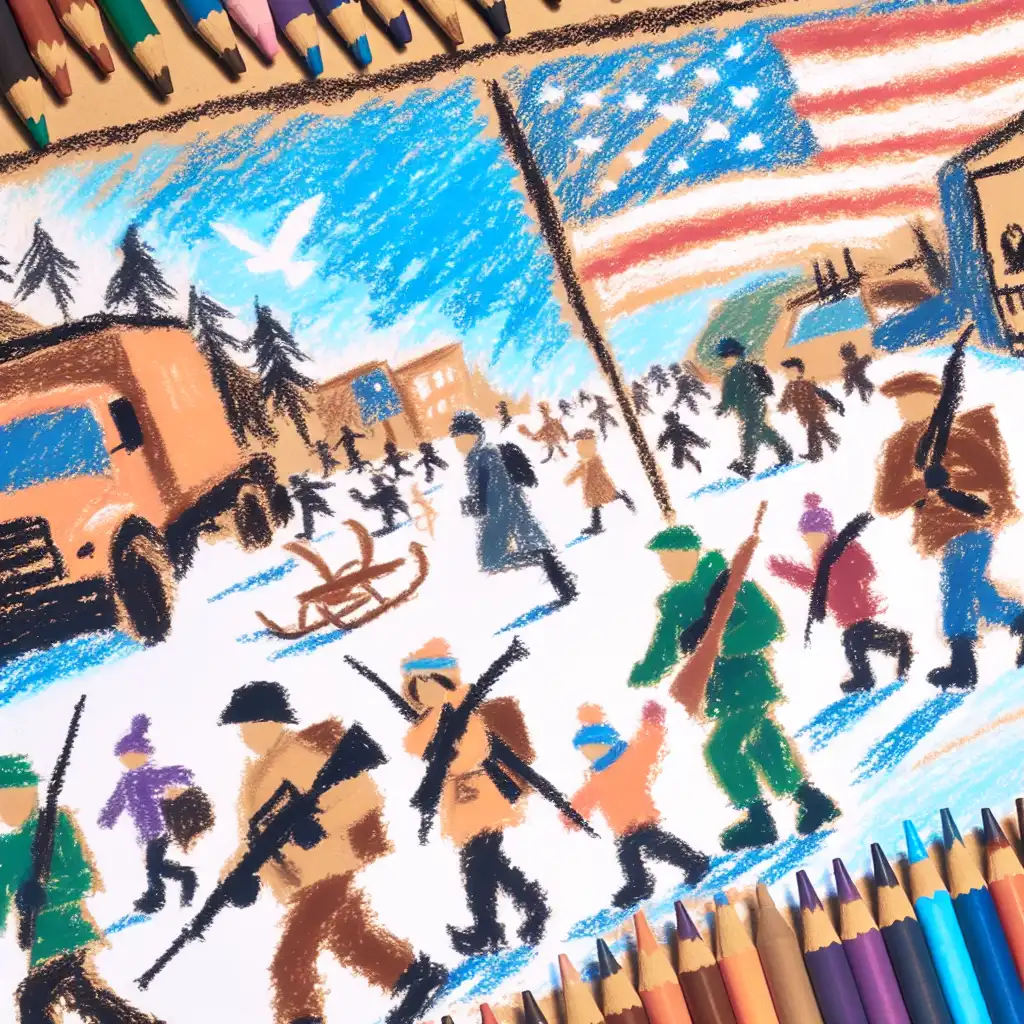
Imagine it’s a super snowy day, and you want to build a snowman, but instead, you have to go out and pick the leader of your snowman building team. That’s kind of what happened in Japan. It was snowy and cold, but people still bundled up in their warmest clothes and went out to vote, which means they chose who they want to run their country. They did this even though it was uncomfortable because it’s important to choose who makes the big decisions. And it looks like the group led by someone named Takaichi might win, which is like saying the team they picked to lead is probably going to be the champion snowman builders.
Explain Like I'm 10
In Japan, there was a very important event called a snap election, which is a surprise election called earlier than expected. Even though it was snowing, many people went out to vote. Voting is like saying “yes” to the person or group of people you think should make the big decisions about the country, like how to spend money and how to make sure everyone gets along. This time, a group led by Takaichi was expected to win according to what people thought before the votes were counted. This group has ideas on how to run the country, and many people seem to like these ideas. The snowy weather made it tough, but the people of Japan knew it was important to make their voices heard, so they put on their coats and boots and made it happen!
Explain Like I'm 15
In Japan, voters recently faced harsh snowy weather to participate in a snap election. A snap election is called unexpectedly and requires quick action from political parties and voters. This kind of election tests the support for current governmental policies and can drastically change the country's leadership if people are unhappy with the way things are going.
This election saw a coalition led by Takaichi, who is a prominent political figure, expected to win a decisive victory according to pre-election polls. This indicates that a significant portion of the population supports their policy proposals and leadership style. The decision to hold the election during such challenging weather conditions shows both the resilience of the Japanese people and the high value they place on democratic processes.
Voting in adverse conditions like heavy snow also highlights the dedication of citizens to participate in their democracy, ensuring that their voices are heard, regardless of external factors. This election could influence Japan's future policies on various issues like economy, foreign relations, and social programs. What happens in Japan can also affect global markets and international relationships, given Japan's significant role in the global economy. The outcome of this election might set the tone for the country's direction in the coming years, making the voters' snowy trek to the polls potentially impactful far beyond their national borders.
Want to read the original story?
View Original Source