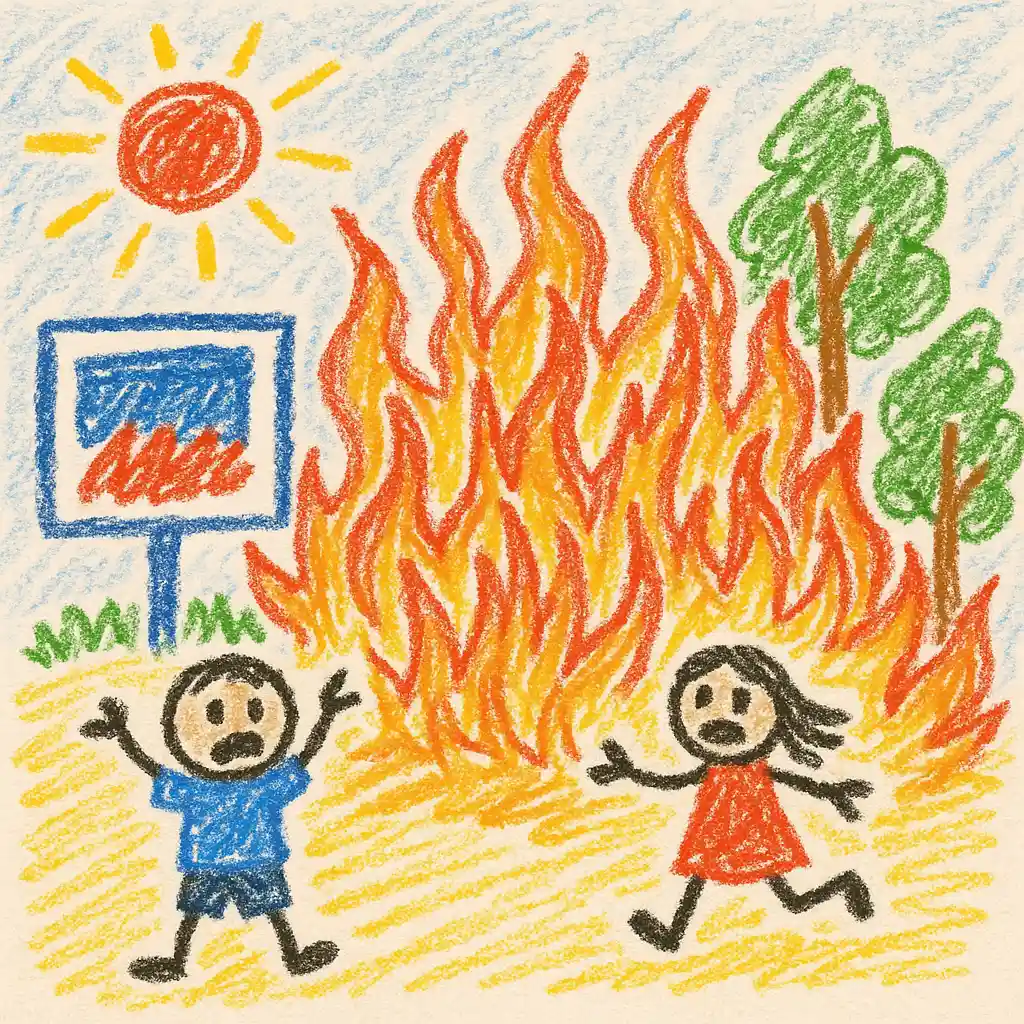
Kherson, Ukraine: A hometown changed (Pt. 1)
Explain Like I'm 5
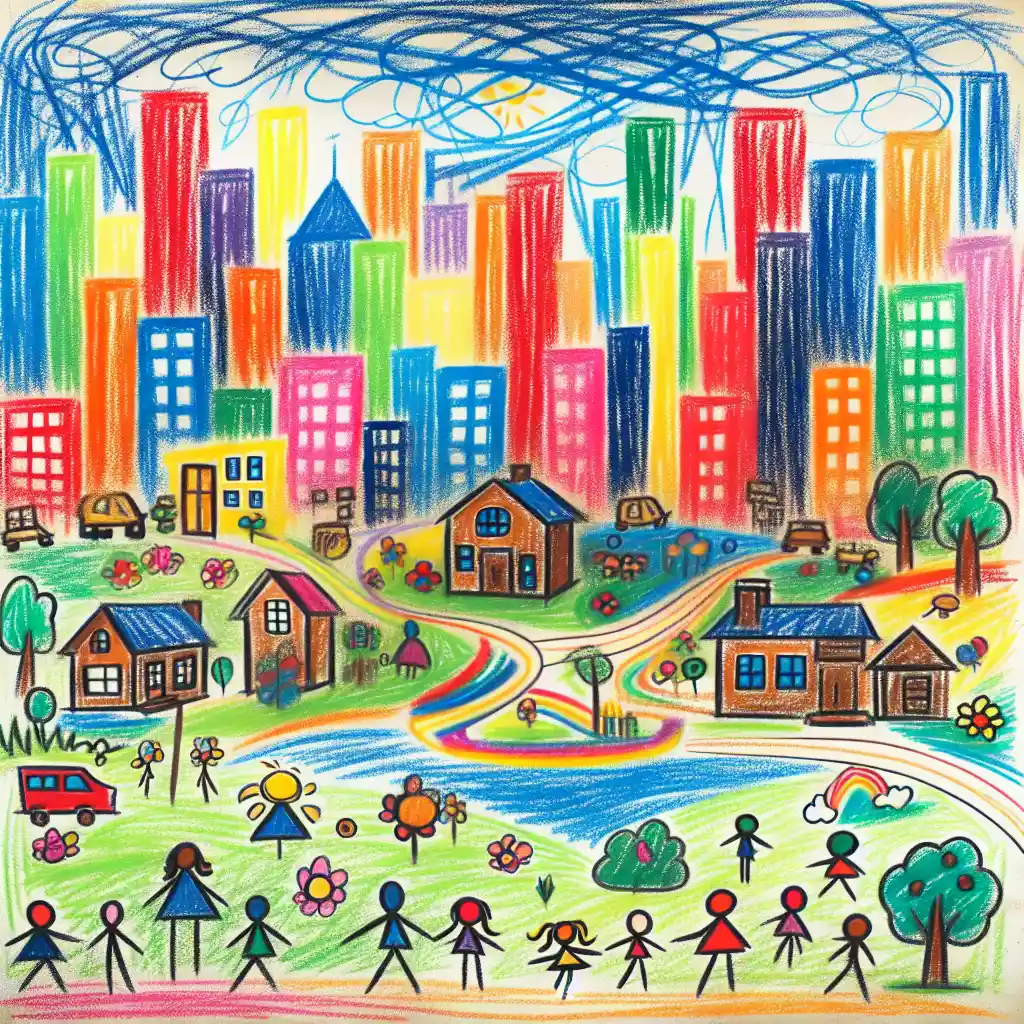
Imagine your favorite playground where you love to play every day. But one day, something big happens, and your playground doesn't look or feel the same anymore. You can still play there, but it's not as fun as it used to be because some of the slides and swings are broken. This is a bit like what happened in Kherson, a city in Ukraine. A big and scary event, called a war, changed the city a lot. The story talks about how this city and the way people fight wars have changed because of this big, scary event.
Explain Like I'm 10
Kherson is a city in Ukraine that used to be like any other city with homes, schools, and parks. But when a war started between Ukraine and Russia four years ago, things changed a lot. Imagine if one day you had to leave your home because it wasn’t safe anymore, and when you came back, everything was different. That’s what many people in Kherson are experiencing. The city has changed because of the war, and so has how people fight in wars. New strategies and tools are being used, which makes it a different kind of fight than what it used to be. This story is like the first chapter in a book that tells us about what happened in Kherson and how war itself is changing.
Explain Like I'm 15
Kherson, a city once vibrant and bustling in Ukraine, has been deeply affected by the ongoing conflict initiated by Russia. Over four years, the landscape, both physically and metaphorically, of Kherson has transformed. Buildings might be damaged, and the daily life of its citizens has been disrupted. This change isn’t just about broken structures; it's about a shift in the community and how people live their everyday lives.
Moreover, the warfare tactics used in this conflict have evolved. Modern warfare now includes not only traditional combat but also cyber attacks, propaganda, and more strategic positioning, reflecting a shift in how countries confront each other in war. This story from Kherson is not just about a city under siege but also about the broader implications of modern warfare on society and international relations.
Historically, changes in warfare tactics have often led to shifts in global power structures and international policies. The situation in Kherson could be a microcosm of larger geopolitical shifts and might influence future military and diplomatic strategies worldwide. As the conflict continues, the world watches and learns, adapting to the new rules of engagement presented by this and similar conflicts.
Want to read the original story?
View Original Source