Labour to overhaul non-crime hate incident rules

Explain Like I'm 5
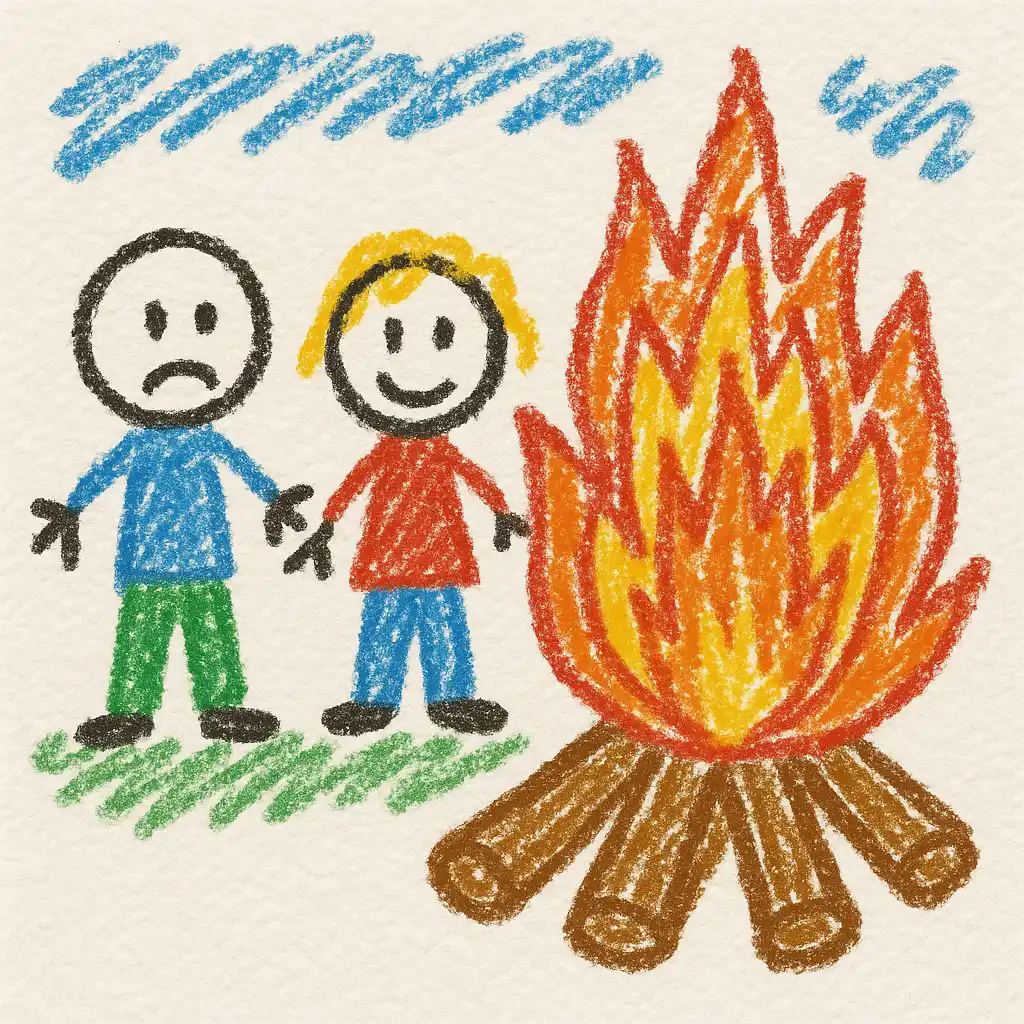
Imagine if every time you got into a little argument while playing in the playground, there was a rule that made someone write it down in a big book, even if no one was really hurt or broke any rules. That would be a lot of writing, right? Well, the UK's Labour Party is planning to change rules that are kind of like that big book. These rules used to make police write down times when people argued or said mean things online, even if no actual rules were broken. Now, they want to stop recording these small arguments so the police can focus on bigger, more important problems. It's like deciding only to write down things in the book if someone actually breaks a toy or pushes someone down, not just for arguing over who gets to go down the slide first.
Explain Like I'm 10
Right now, in the UK, there are rules that say police have to take note of situations where someone says or does something that could be seen as hateful, even if it's not serious enough to be against the law. These are called non-crime hate incidents. But sometimes, this can include small arguments or things people say online that aren't really harmful. The Labour Party thinks this might be making the police spend too much time on small issues when they could be solving bigger crimes.
So, they want to change these rules to focus only on more serious incidents. This means that everyday disagreements online won't always be noted by the police, which would let them focus more on truly harmful behaviors that can really hurt people. It's a bit like when teachers decide to only step in when a playground fight gets serious rather than every time someone says something unkind.
Explain Like I'm 15
The Labour Party in the UK has proposed changes to the current rules around non-crime hate incidents. These rules currently require police to record instances where something potentially hateful is said or done, even if it doesn't break the law. This can include online comments that might be offensive but aren't criminal. The problem is, this can lead to police records being filled with lots of minor incidents, which some argue is an overreach of police powers and a waste of resources.
Labour's proposed overhaul aims to refocus police efforts on more significant hate-related offenses that pose real harm, rather than policing what could be considered everyday online banter. This move is also about balancing the freedom of speech with protecting individuals from genuine harm. The change could help clarify the role of police in managing hate speech and hate incidents, making sure they are called to act in serious situations rather than being bogged down by less impactful ones.
The broader implications here involve the ongoing debate over free speech and the limits of law enforcement in regulating behavior that might be offensive but not criminal. It raises questions about where we draw the line between safeguarding individuals from hate and upholding free expression. This change could potentially lead to a shift in how online speech is monitored and dealt with by authorities in the UK, setting a precedent for future policies in digital communication and law enforcement.
Want to read the original story?
View Original Source