
Man charged with assisting Iran's intelligence service
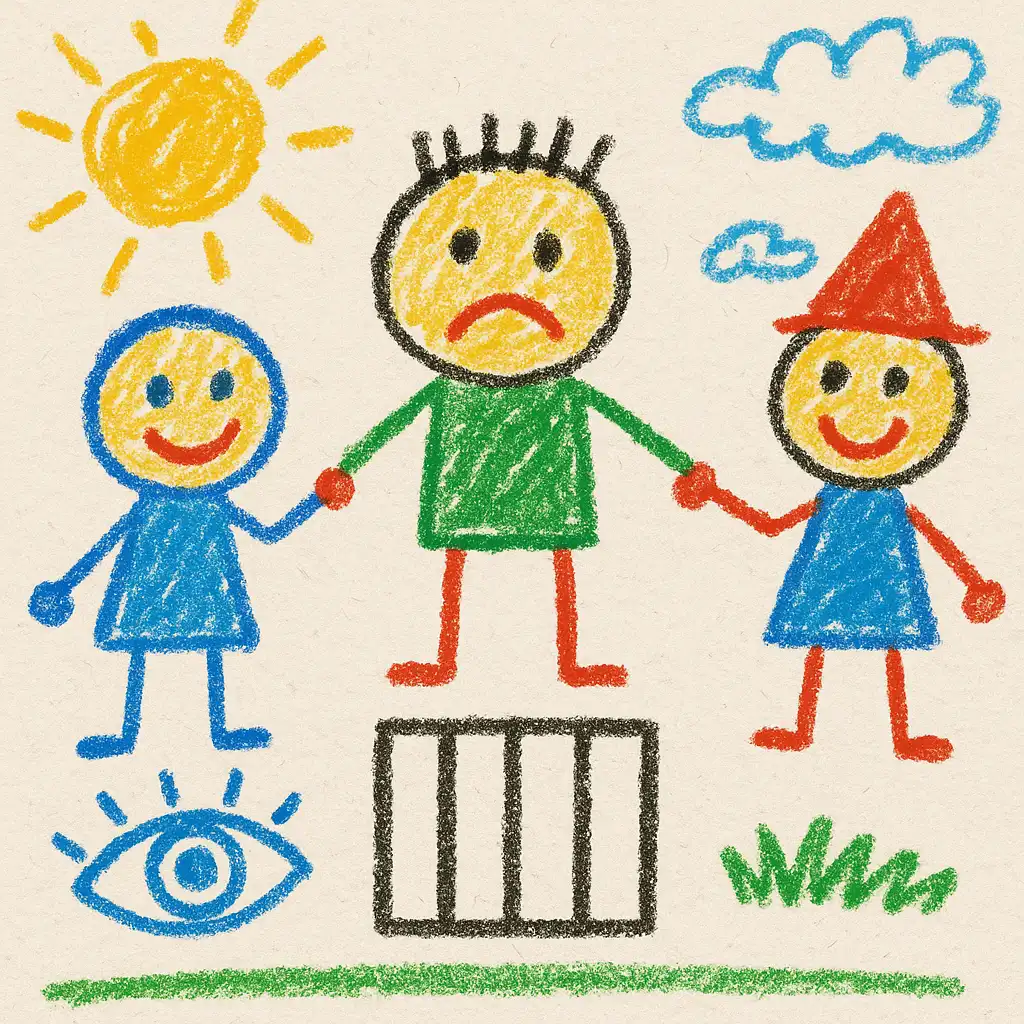
Explain Like I'm 5
Okay, imagine you have a toy box, and your friend wants to play with your toys. But instead of just asking nicely, they sneak in and take them to share with a group of people who don’t play nice. That’s kind of what happened here! A man named Vahid Aberi is accused of helping a country called Iran with some secret stuff they’re doing, which is not allowed because it could make things dangerous for everyone.
The big takeaway? It’s like getting in trouble for sharing your toys with the wrong friends – it can lead to a lot of issues!
Explain Like I'm 10
So, here’s the scoop: Vahid Aberi, who lives in Liverpool, is in a bit of hot water because he’s been charged with helping Iran's intelligence service. Think of intelligence like secret agents who gather information and try to keep their country safe, but sometimes they do things that can upset other countries.
This is happening now because governments around the world are really keeping an eye on people who might be working with foreign governments, especially if those countries aren't on friendly terms with them. The immediate consequence of this charge could lead to a trial, where Aberi will have to defend himself. If he’s found guilty, he could face serious penalties, which means he might have to deal with some big problems.
Explain Like I'm 15
The situation with Vahid Aberi is a pretty serious matter involving national security. He’s been charged under the National Security Act, which means he’s accused of helping Iran's intelligence service in ways that could potentially harm the safety of the UK. This isn’t just a random accusation; it signals the ongoing tensions between countries and the vigilance that various governments maintain regarding espionage or any form of covert activity.
Historically, there have been numerous cases where individuals have been charged with similar offenses, especially in times of heightened political strain. It's a reflection of the global climate where intelligence agencies are more active than ever, trying to prevent espionage and protect their nations from perceived threats. The broader implications of such cases can lead to strained diplomatic relationships or even stricter laws regarding foreign interactions.
Looking ahead, if Aberi is found guilty, it could serve as a warning to others who might consider similar actions. Experts say that these kinds of cases can create ripples in international relations, making countries even more wary of each other. It’s a complex web of trust, mistrust, and the constant balancing act between national security and individual freedoms.
Want to read the original story?
View Original Source